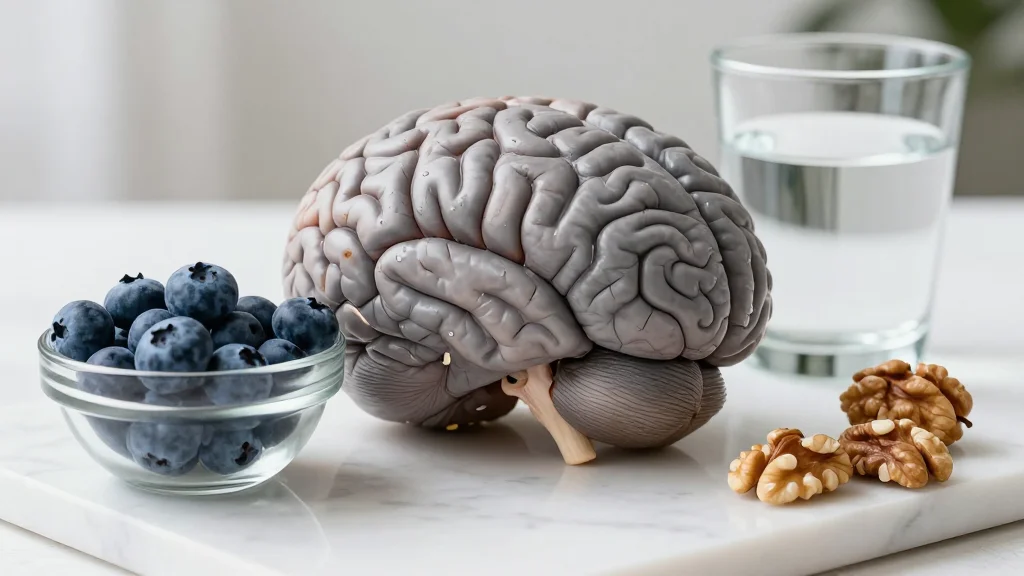
Nutrients and Bioactive Compounds as Modifiers of Neurodegenerative Trajectories: Molecular Mechanisms, Translational Barriers, and Precision Nutrition
Why It Matters
Understanding neurodegeneration as a metabolic disorder opens pathways for disease‑modifying nutrition strategies, potentially reducing the therapeutic gap in Alzheimer’s, Parkinson’s and related disorders.
Key Takeaways
- •Neurodegeneration viewed as nutrient‑sensitive systems failure
- •Vitamins, minerals, PUFA, phytochemicals regulate redox and inflammation
- •Clinical trials often fail due to late stage, bioavailability
- •Precision‑nutrition combines genomics, metabolomics, microbiome for personalization
- •BBB penetration and biomarker stratification are major translational hurdles
Pulse Analysis
The growing prevalence of Alzheimer’s, Parkinson’s and related disorders has spurred a re‑examination of their underlying biology. Researchers now see these illnesses as systemic metabolic breakdowns where subtle nutrient deficiencies amplify oxidative stress, chronic inflammation and mitochondrial dysfunction. This perspective aligns with a broader industry shift toward lifestyle‑based therapeutics, prompting investors to fund nutraceutical pipelines that target brain health at the molecular level.
Despite compelling pre‑clinical data, human trials of single nutrients such as vitamin E, omega‑3 fatty acids, coenzyme Q10 and curcumin have yielded mixed results. Failures are often traced to late‑stage enrollment, inadequate dosing, poor blood‑brain barrier penetration and heterogeneous patient populations. Moreover, traditional cognitive endpoints miss early metabolic changes, making it difficult to demonstrate efficacy. These translational barriers underscore the need for more sophisticated trial designs that incorporate pharmacokinetic profiling and sensitive biomarkers.
Precision‑nutrition offers a promising solution by tailoring interventions to an individual’s genetic makeup, metabolic profile and gut microbiome composition. Emerging platforms integrate nutrigenomic testing, metabolomic signatures and AI‑driven dietary recommendations to optimize nutrient delivery and timing. As regulatory pathways clarify and reimbursement models evolve, personalized nutrition could become a mainstream adjunct to pharmacotherapy, reshaping the market for neuro‑protective supplements and opening new revenue streams for biotech firms focused on brain health.
Nutrients and bioactive compounds as modifiers of neurodegenerative trajectories: molecular mechanisms, translational barriers, and precision nutrition
Comments
Want to join the conversation?
Loading comments...