Ocean Explorers Stumbled Upon a Secret Underwater Mountain. Then the Flying Spaghetti Monsters Showed Up.
Why It Matters
The discovery expands our understanding of underexplored seamount ecosystems, providing critical data that can shape marine‑conservation policies and guide future deep‑sea research investments.
Key Takeaways
- •3,109‑m seamount found on Nazca Ridge, 900 mi west of Chile
- •Expedition used hull‑mounted sonar to produce high‑resolution bathymetry
- •Rare Promachoteuthis squid and first southern Pacific Caspar octopus recorded
- •“Flying spaghetti monster” siphonophores observed, highlighting deep‑sea biodiversity
- •Mapping adds to only 26% of ocean floor surveyed, informing conservation policy
Pulse Analysis
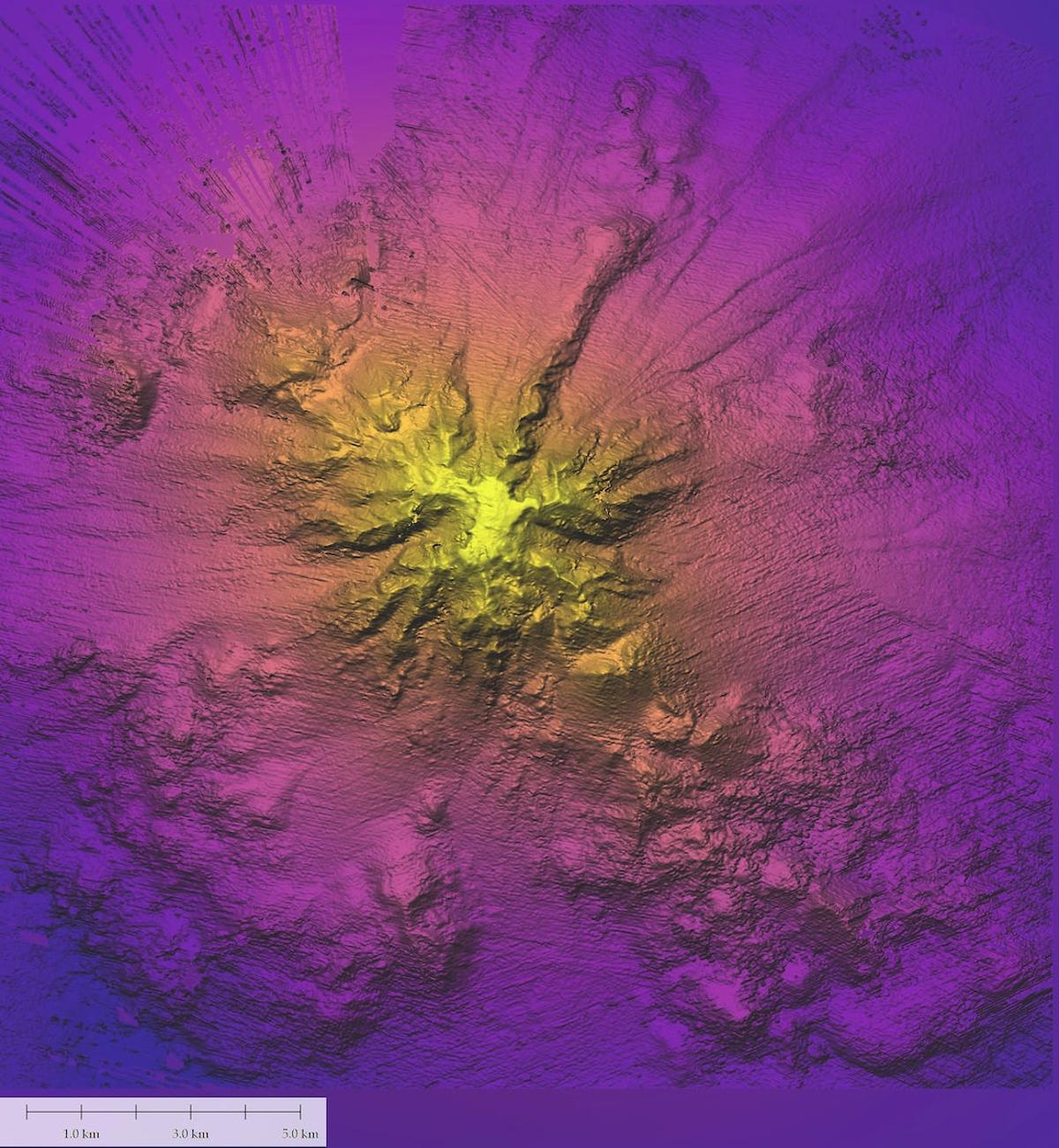
The Schmidt Ocean Institute’s latest voyage shines a spotlight on the Pacific’s Nazca Ridge, a remote underwater frontier that has long eluded detailed study. By deploying a sophisticated sonar array affixed to the hull of the Falkor (too), researchers captured a high‑definition portrait of a 3,109‑meter seamount—taller than Mount Olympus and four times the height of the Burj Khalifa. This level of bathymetric precision is rare; globally, only about a quarter of the seabed has been mapped with comparable resolution, making each new dataset a valuable piece of the planetary puzzle.
Beyond the sheer scale of the mountain, the expedition uncovered a trove of biological marvels that illustrate the deep sea’s hidden diversity. The team filmed the scarcely seen Promachoteuthis squid, a species known from a handful of 19th‑century specimens, and documented the first confirmed appearance of the Caspar octopus in the southern Pacific. Equally eye‑catching were colonies of Bathyphysa siphonophores, colloquially called “flying spaghetti monsters,” whose gelatinous, trailing bodies drift like underwater kites. These organisms thrive on the rugged seamount slopes, where ancient coral and sponge gardens provide refuge, underscoring the ecological importance of such isolated habitats.
The broader implications extend well beyond scientific curiosity. High‑resolution mapping and species inventories feed directly into marine‑policy frameworks, offering concrete evidence needed to designate protected areas and regulate deep‑sea mining or fishing activities. As the ocean remains the least charted region on Earth, each expedition like this one not only fills gaps in our geographic knowledge but also builds a compelling case for safeguarding these pristine ecosystems for future generations. The Nazca Ridge findings are a reminder that the deep ocean holds both untapped resources and irreplaceable biodiversity, demanding informed stewardship.
Ocean Explorers Stumbled Upon a Secret Underwater Mountain. Then the Flying Spaghetti Monsters Showed Up.
Comments
Want to join the conversation?
Loading comments...