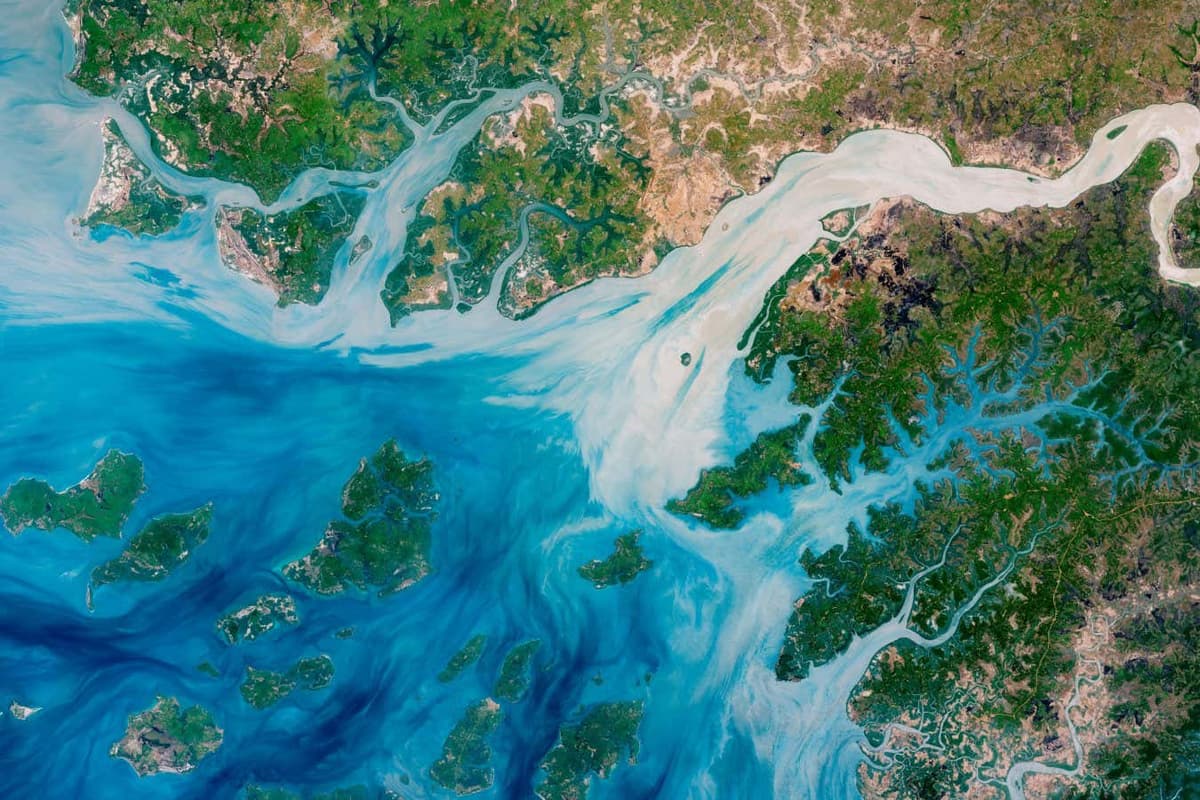
Oceans Are Darkening All over the Planet – What’s Going On?
Companies Mentioned

NASA
Why It Matters
Diminished oceanic light threatens primary productivity, jeopardizing global fisheries and carbon sequestration. Understanding and reversing darkening is critical for ecosystem resilience and climate mitigation.
Key Takeaways
- •One‑fifth of global oceans have become darker
- •Satellite data shows contiguous darkening regions
- •Warming and land‑use changes reduce surface light
- •Artificial night‑time lighting contributes to opacity
- •Reduced light harms phytoplankton and food webs
Pulse Analysis
The discovery of widespread ocean darkening stems from a decade‑long analysis of satellite‑derived ocean color data. Researchers at Plymouth Marine Laboratory examined 20 years of global observations, uncovering a consistent trend: surface waters are absorbing more light, making them appear darker in remote‑sensing imagery. While natural variability exists, the pattern aligns with rising sea‑surface temperatures, increased runoff laden with sediments, and the spread of artificial illumination from coastal development. These factors collectively increase water turbidity and alter the optical properties of the upper ocean, limiting the photons that reach photosynthetic organisms.
Light is the engine of marine primary production. Phytoplankton, the foundation of oceanic food chains, rely on sunlight to convert carbon dioxide into organic matter. A dimmer surface reduces photosynthetic rates, potentially lowering global carbon uptake and weakening the base that supports billions of marine species. Moreover, many nocturnal migrants—zooplankton, krill, lanternfish—synchronize their vertical movements with the day‑night light cycle. Diminished daylight could shift their timing, exposing them to predators and disrupting nutrient transport. The cascading effects may ripple through fisheries, affecting both commercial harvests and food security.
Addressing ocean darkening requires coordinated action across climate, land‑use, and lighting policies. Mitigation strategies include reducing coastal runoff through better watershed management, curbing greenhouse‑gas emissions to limit warming‑induced stratification, and implementing dark‑sky initiatives that limit offshore artificial lighting. Continued investment in high‑resolution satellite monitoring will enable scientists to track changes in real time and assess the efficacy of interventions. By integrating ocean optics into broader climate‑adaptation frameworks, policymakers can safeguard marine ecosystems while preserving the ocean’s role as a carbon sink.
Oceans are darkening all over the planet – what’s going on?
Comments
Want to join the conversation?
Loading comments...