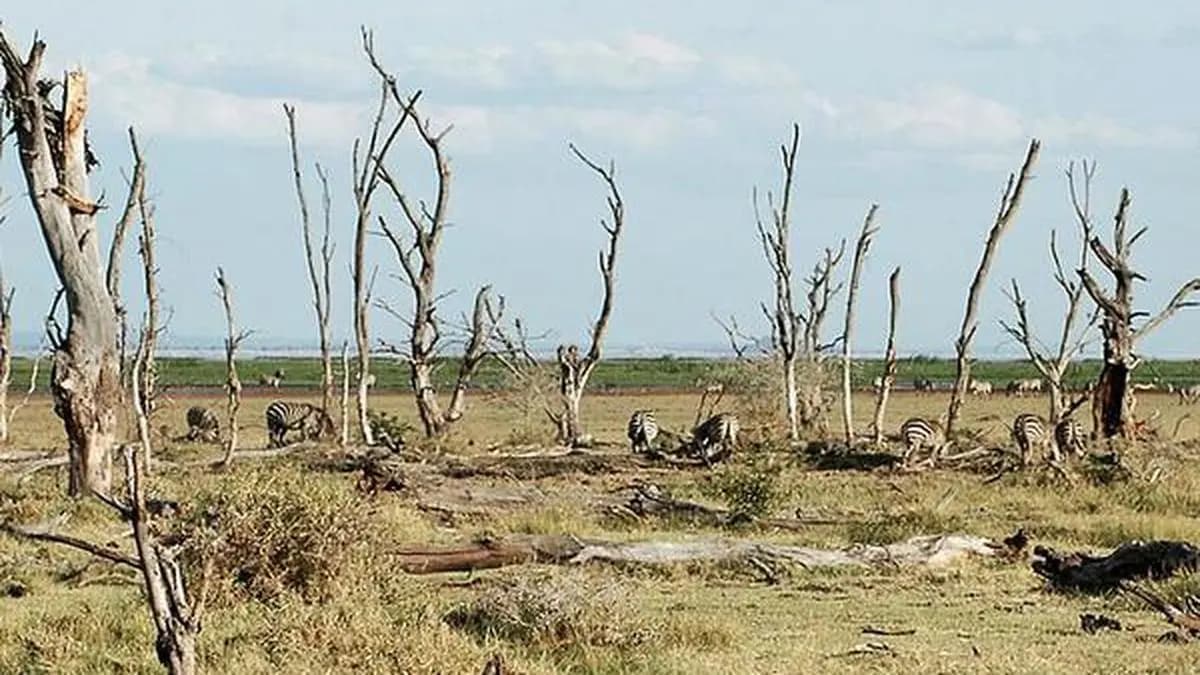
Oceans Nearing Record Heat Globally as El Nino Conditions Begin Emerging: Copernicus
Why It Matters
Rising ocean heat and emerging El Niño amplify marine heatwaves, threaten coastal economies, and intensify global climate extremes, underscoring urgent adaptation needs.
Key Takeaways
- •April 2026 recorded second‑highest global sea‑surface temperature since records began
- •Arctic sea‑ice extent was the second lowest for April, near record lows
- •El Niño conditions are emerging, with SSTs hitting 21 °C across 60°S–60°N
- •Europe saw sharp contrast: record warmth in Spain, cooling in East
- •Extreme weather spanned continents, from Pacific cyclones to South Asian floods
Pulse Analysis
The latest Copernicus Climate Change Service analysis shows April 2026 pushing oceanic heat to near‑record levels, with the extra‑polar sea‑surface temperature averaging 21 °C. This marks the second‑warmest April on record and follows a three‑year streak of record‑breaking warmth. The ERA5 reanalysis confirms a 0.52 °C anomaly above the 1991‑2020 baseline, reinforcing the long‑term upward trend in global heat. Such temperature spikes are not isolated; they reflect a broader acceleration of climate change, evident across land, sea, and atmospheric datasets.
Marine heatwaves are intensifying as the Pacific transitions from ENSO‑neutral toward El Niño. The emerging El Niño is expected to amplify SSTs across the central equatorial Pacific, disrupting marine ecosystems, fisheries, and weather patterns worldwide. Elevated ocean heat fuels stronger tropical cyclones, as seen in the Pacific this month, and can exacerbate coral bleaching events. For coastal industries, the heightened risk of heat‑related disruptions demands more resilient infrastructure and adaptive management strategies.
The ripple effects extend to the cryosphere and regional climates. Arctic sea‑ice extent remained near its second‑lowest April level, a stark indicator of polar amplification. In Europe, temperature contrasts were pronounced—Spain recorded its warmest April, while Eastern Europe experienced cooler conditions—highlighting the uneven distribution of climate impacts. Policymakers must integrate these evolving signals into mitigation and adaptation frameworks, prioritizing investments in climate‑resilient agriculture, water management, and disaster preparedness to curb the socioeconomic fallout of a warming planet.
Oceans nearing record heat globally as El Nino conditions begin emerging: Copernicus
Comments
Want to join the conversation?
Loading comments...