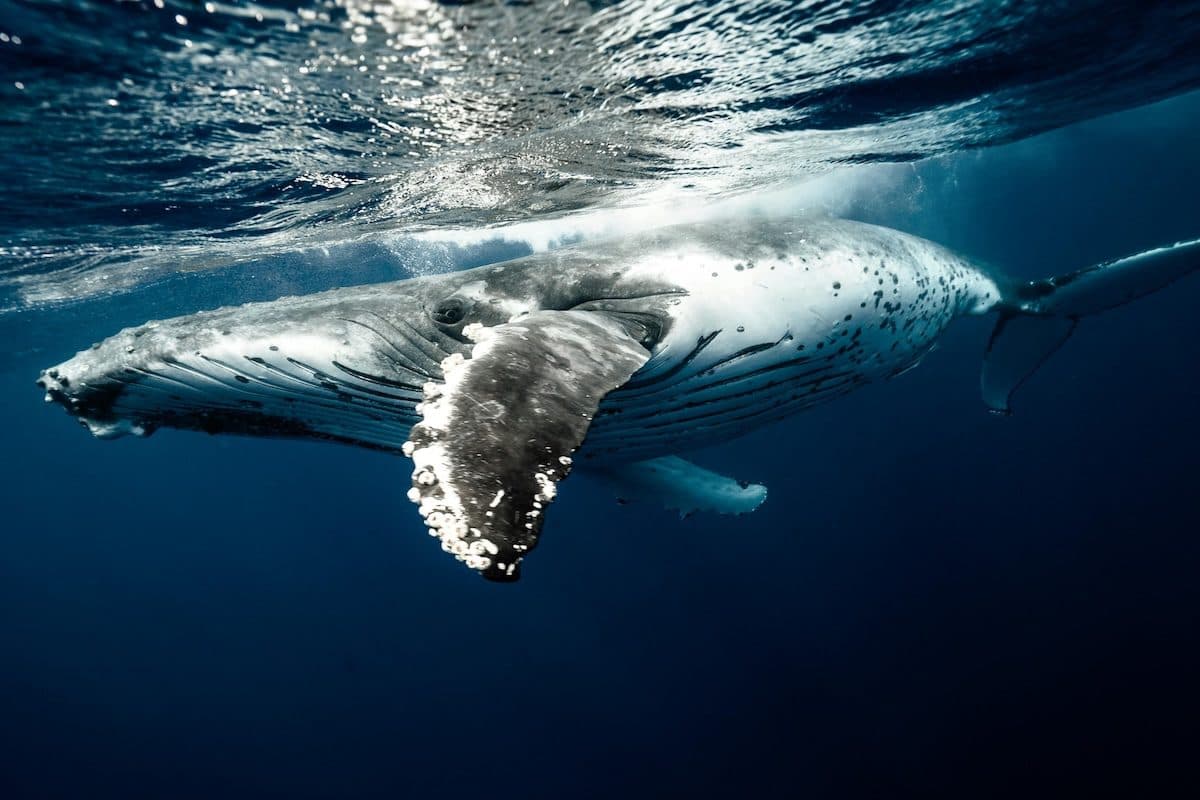
Older Humpbacks Prove Better at Wooing Mates
•February 27, 2026
0
Why It Matters
Understanding age‑linked mating success informs conservation strategies and predicts future population resilience as whales continue to recover.
Key Takeaways
- •Older males achieve higher mating success
- •Song complexity improves with age
- •Females favor experienced singers
- •Population recovery reveals natural behaviors
- •Genetic sampling links age to reproduction
Pulse Analysis
The resurgence of humpback whales after near‑extinction has opened a new window into their complex social rituals. Decades of protection since the 1986 commercial whaling ban have allowed cohorts to age, creating a demographic where seasoned males can demonstrate refined acoustic displays. Researchers in New Caledonia leveraged skin biopsies and genetic age markers to map father‑offspring relationships, revealing a clear advantage for older whales whose songs have matured over years of practice.
Humpback songs function as both territorial signals and courtship performances, echoing across ocean basins. Older males produce longer, more structured phrases that mirror the hierarchical patterns of human language, making them more attractive to discerning females. This selective pressure suggests that vocal learning in cetaceans is a prolonged process, akin to cultural transmission in other long‑lived species. As female humpbacks become choosier in densely populated breeding grounds, the acoustic prowess of veteran singers becomes a decisive factor in reproductive success.
These findings carry weight for marine policy and management. Recognizing that age and song proficiency drive mating dynamics can guide the design of protected areas, ensuring that breeding habitats support a full age spectrum. Moreover, the study exemplifies how advanced genetic tools can illuminate hidden aspects of marine life that were previously inaccessible. Continued monitoring of humpback populations will not only track recovery metrics but also deepen our understanding of cetacean culture, informing broader efforts to safeguard ocean biodiversity.
Older Humpbacks Prove Better at Wooing Mates
0
Comments
Want to join the conversation?
Loading comments...