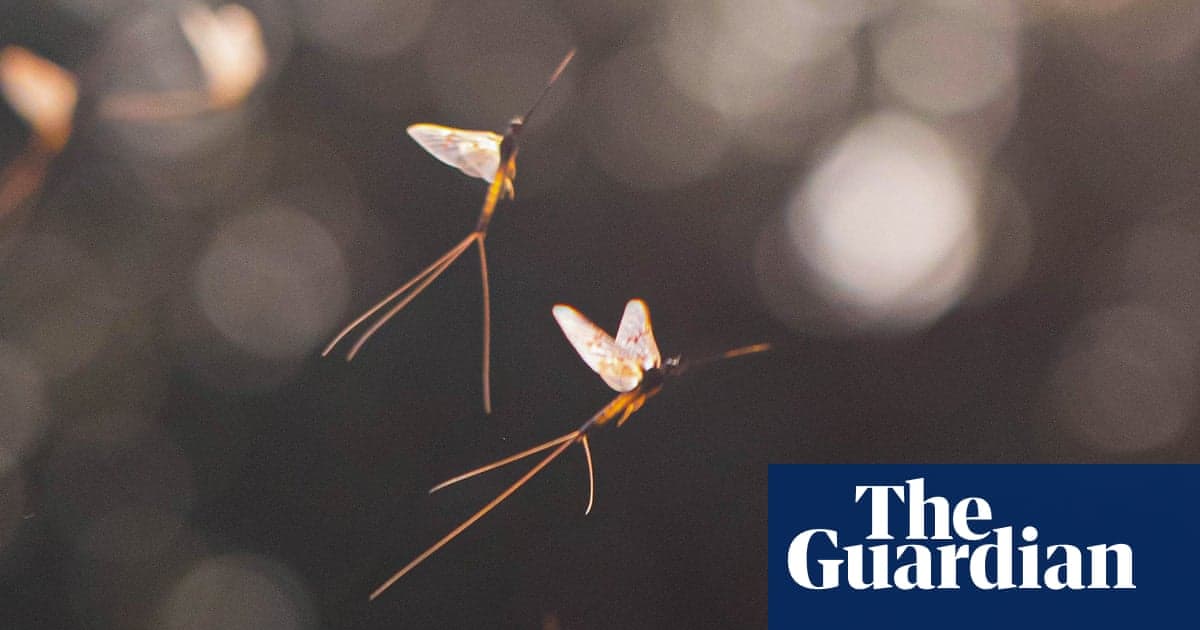
Older than the Dinosaurs: Scientists Finally Unlock Secret of the Mayfly’s Dance
Why It Matters
Understanding mayfly mating behavior clarifies how a keystone freshwater indicator species reproduces, informing conservation strategies amid accelerating insect losses. The research underscores the fragility of aquatic ecosystems and the urgency of pollution mitigation.
Key Takeaways
- •Male mayflies use vertical flight to identify females
- •Vertical dance reduces wasted mating attempts with non‑female objects
- •UK chalk streams lost 41% of mayfly species since 1998
- •Pollution can kill up to 80% of mayfly eggs in rivers
- •Mayflies have existed 300 million years, predating dinosaurs
Pulse Analysis
The newly published study sheds light on a behavior that has puzzled entomologists for decades. By filming massive mayfly swarms over the Thames in three dimensions, the Oxford‑Imperial team revealed that males execute a steep vertical climb and descent to stay beneath females, a tactic that dramatically cuts the risk of courting unsuitable targets such as debris or other males. This discovery not only solves a long‑standing mystery about the insects’ aerial choreography but also provides a measurable metric for assessing reproductive success in field surveys.
Mayflies are widely regarded as bioindicators because their nymphs require clean, well‑oxygenated water. Recent censuses of Britain’s chalk streams—a network of pristine limestone‑fed waterways—show a 41 percent drop in mayfly species since 1998, mirroring broader trends of insect decline reported globally. Laboratory tests suggest that even modest levels of riverine pollution can annihilate up to 80 percent of mayfly eggs, threatening the next generation’s ability to sustain the ancient dance. The vertical flight pattern, therefore, becomes a critical adaptive response, ensuring males invest limited mating time on viable females before environmental stressors intervene.
The implications extend beyond academic curiosity. As mayflies disappear, the ripple effects cascade through freshwater food webs, affecting fish, birds, and even human water quality monitoring programs that rely on their presence. Public awareness of the spectacle—thousands of shimmering insects performing a sky‑diving ballet each spring—can galvanize support for habitat restoration and stricter pollution controls. Continued research into the mechanics of mayfly flight may also inspire biomimetic technologies, turning an ancient survival strategy into modern engineering solutions.
Older than the dinosaurs: scientists finally unlock secret of the mayfly’s dance
Comments
Want to join the conversation?
Loading comments...