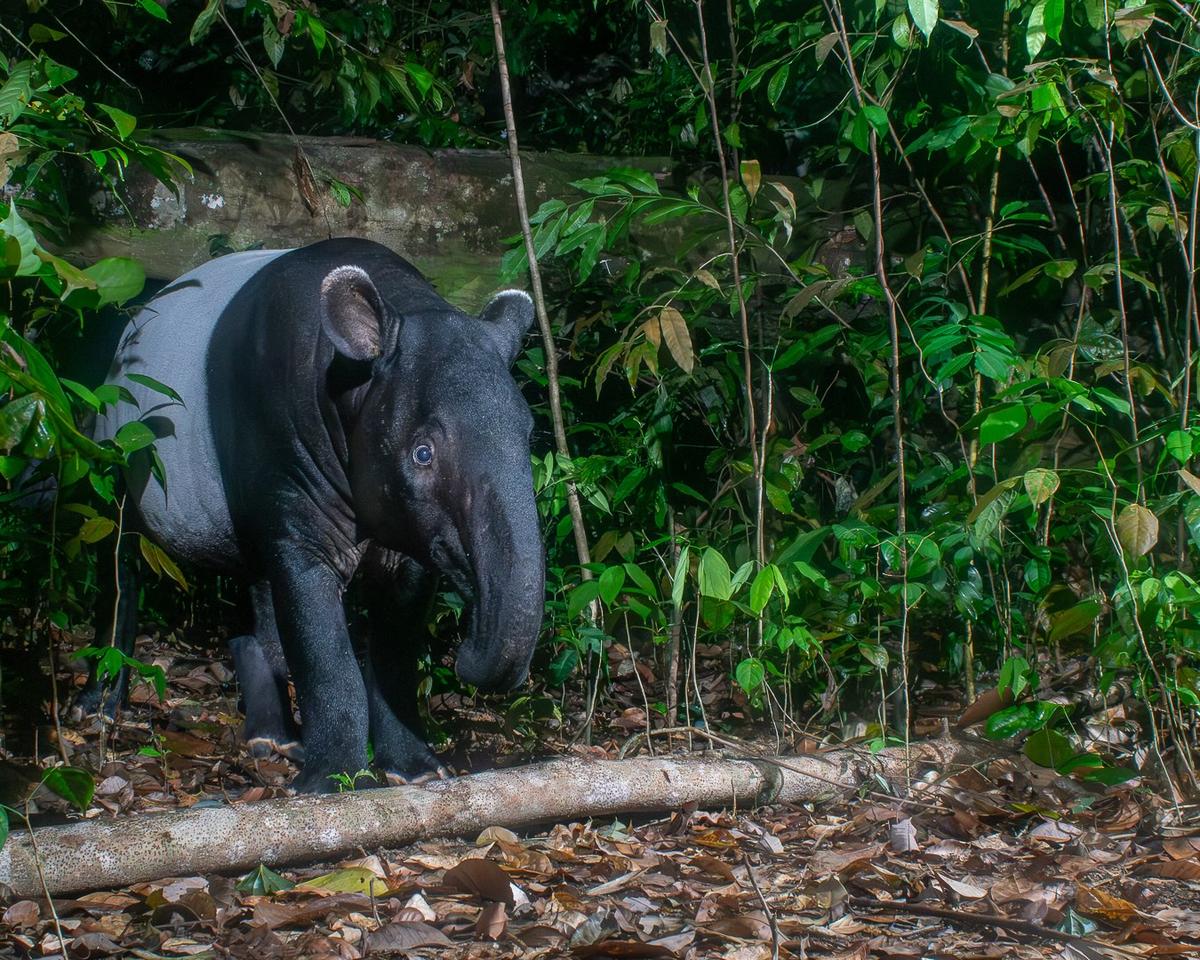
On World Tapir Day, Data Gaps Cloud Future of Malaysia’s Tapirs
Why It Matters
Accurate population data is essential for targeted protection and for justifying funding mechanisms; without it, Malaysia risks losing its only native large mammal and the ecosystem services it supports.
Key Takeaways
- •Malaysia’s tapir count rests on opaque 700‑800 estimate
- •Camera‑trap bycatch offers limited individual identification
- •Over 4,300 snares removed 2019‑2024, many remain hidden
- •Ecological fiscal transfers could fund corridor protection
Pulse Analysis
The Malay tapir (Tapirus indicus) remains one of Southeast Asia’s most elusive megafauna, and Malaysia’s lack of reliable census data hampers effective conservation. Traditional wildlife surveys rely on distinctive markings, which tapirs lack, forcing researchers to depend on indirect methods such as camera‑trap bycatch. While statistical density models exist, they demand extensive field effort and technical capacity that many conservation agencies cannot readily deploy. Consequently, the nation’s most recent population estimate—700 to 800 individuals—offers little insight into trends or regional hotspots, limiting the ability to prioritize interventions.
Compounding the data shortfall is a pervasive snaring crisis. Government reports indicate that authorities removed more than 4,300 snares from Peninsular Malaysian forests between 2019 and 2024, yet experts warn that the actual number of traps is substantially higher due to undetected placements. Snaring not only causes direct mortality but also fragments movement corridors, reducing genetic flow and increasing vulnerability to habitat loss. The lack of granular snare density maps further obscures where mitigation resources would be most effective, underscoring the need for systematic monitoring and community‑based reporting mechanisms.
Policy responses must bridge the gap between ecological knowledge and financial incentives. Malaysia already identifies critical ecological corridors, but implementation stalls without adequate funding. Innovative mechanisms such as ecological fiscal transfers and forest‑carbon offset schemes can channel revenue to state governments, encouraging them to preserve and reconnect forest patches rather than converting land to plantations. By coupling robust population monitoring with targeted anti‑snaring programs and sustainable financing, Malaysia can safeguard its sole native tapir population and maintain the broader biodiversity that underpins regional ecosystem resilience.
On World Tapir Day, data gaps cloud future of Malaysia’s tapirs
Comments
Want to join the conversation?
Loading comments...