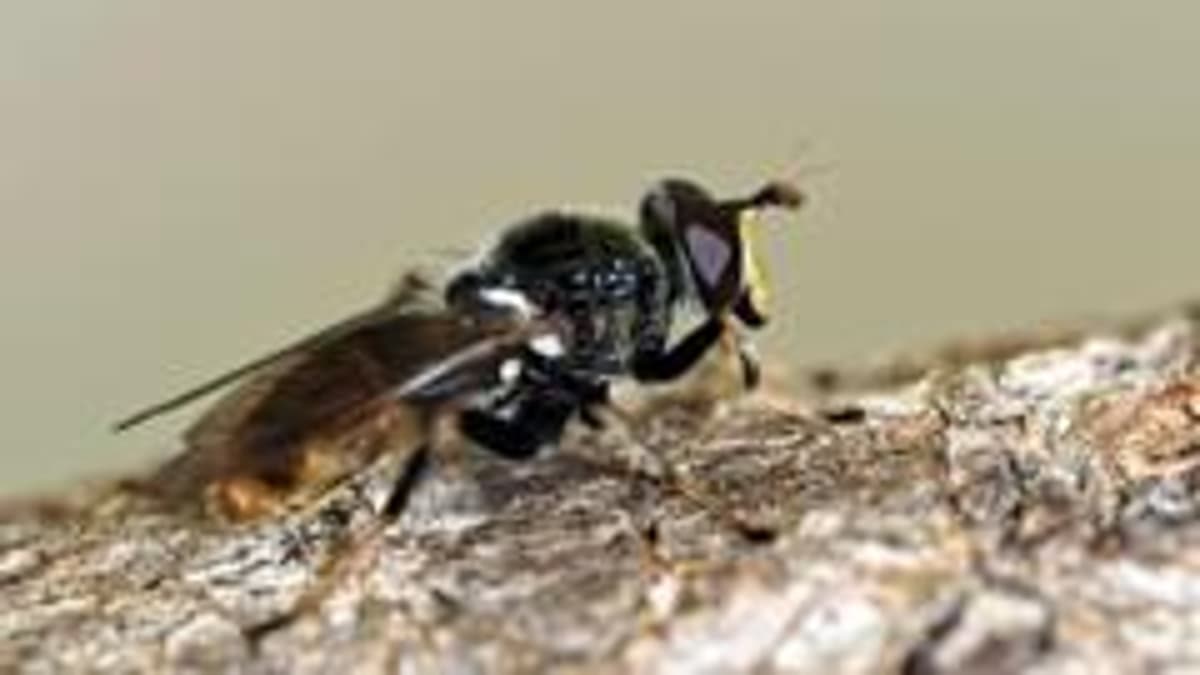
One of UK's Rarest Flies Returns to Cairngorms Thanks to Jam Jars
Why It Matters
Restoring the pine hoverfly demonstrates that targeted, low‑tech interventions can reverse critical declines in invertebrate biodiversity, a key component of ecosystem health. The success provides a replicable blueprint for other threatened arthropods across Europe.
Key Takeaways
- •Pine hoverfly population grew from ~50 to 30,000 since 2018
- •Captive breeding uses jam jars and hummus pots to mimic tree holes
- •Releases now outnumber Cairngorms' human residents, about 30,000 insects
- •First wild adult observed in 2022 after a decade of absence
- •Funded by NatureScot and Scotland’s Nature Restoration Fund
Pulse Analysis
In recent years, invertebrate loss has emerged as a silent crisis, eroding pollination services, nutrient cycling, and food‑web stability. The pine hoverfly (Helophilus pendulus) exemplifies this trend; its larvae depend on decaying pine wood and specific bacterial communities, making it highly vulnerable to forest management changes. By spotlighting the species, conservationists underscore the broader importance of protecting niche habitats that support a myriad of lesser‑known organisms essential to ecosystem resilience.
The RZSS breeding‑for‑release centre at Highland Wildlife Park adopted an unexpectedly simple solution: jam jars and hummus pots. By filling these containers with pine‑wood chippings, rainwater, and damp moss, keepers recreated the micro‑environment of natural tree holes, allowing larvae to develop a nutritious bacterial soup. Since the programme’s inception in 2018, over 30,000 hoverflies have been reared and released, a scale that now surpasses the roughly 30,000 residents of the Cairngorms. This hands‑on approach illustrates how modest, cost‑effective techniques can achieve large‑scale population boosts when paired with rigorous monitoring.
Beyond the immediate triumph, the project signals a shift in conservation policy toward invertebrate stewardship. Backed by Scotland’s Nature Restoration Fund and coordinated through the Rare Invertebrates in the Cairngorms (RIC) initiative, the effort aligns with EU biodiversity targets and offers a template for other regions grappling with insect declines. As climate change intensifies, replicating such localized, science‑driven interventions could become a cornerstone of future biodiversity recovery strategies.
One of UK's rarest flies returns to Cairngorms thanks to jam jars
Comments
Want to join the conversation?
Loading comments...