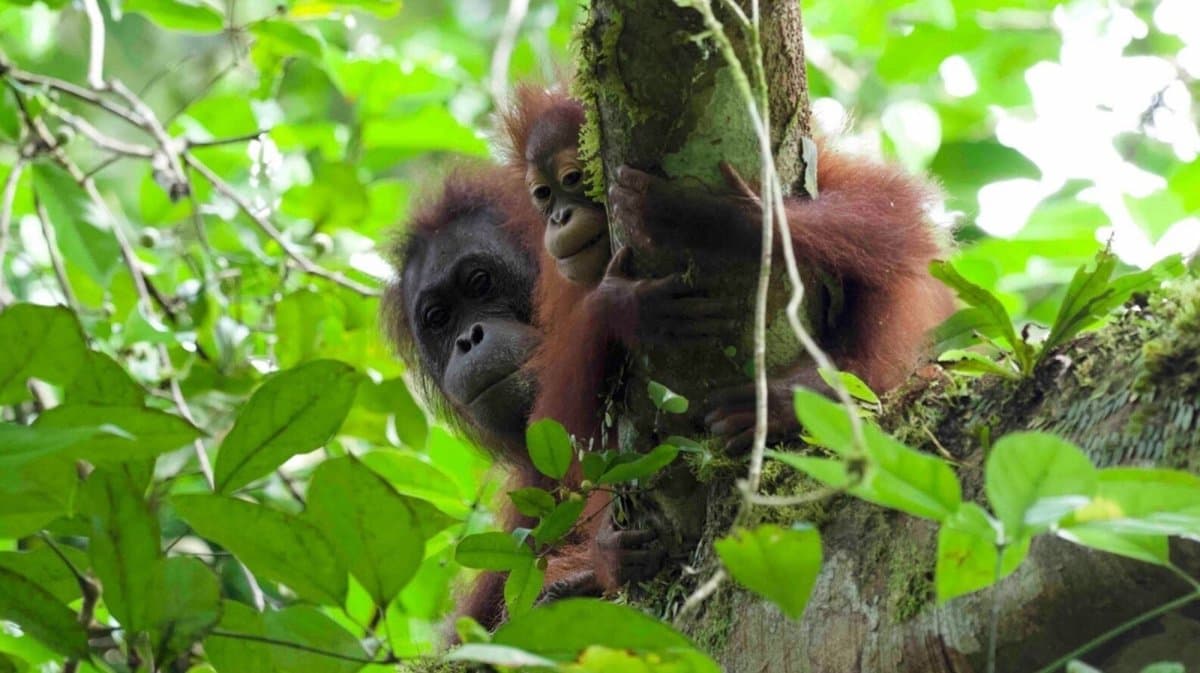
Orangutan Poop Holds Surprising Clues About How Long They Breastfeed
Why It Matters
Extended nursing boosts offspring health and immune defenses, explaining the orangutan's high baby survival but also its sluggish population recovery, a critical factor for conservation strategies.
Key Takeaways
- •Fecal proteomics identified milk proteins in wild Bornean orangutans
- •All samples from infants under 6.5 years contained milk markers
- •Longer breastfeeding linked to higher probiotic and immune proteins
- •Extended nursing contributes to low infant mortality and slow population growth
Pulse Analysis
The application of fecal proteomics—a technique that isolates diet‑specific proteins from animal waste—offers a non‑invasive window into the feeding habits of elusive species. In the Danum Valley Conservation Area, scientists collected over two years of orangutan droppings and consistently detected milk‑derived proteins, confirming that young orangutans remain dependent on maternal milk far longer than most primates. This methodological breakthrough sidesteps the logistical challenges of direct observation in dense rainforest canopies, providing reliable data on lactation duration without disturbing the animals.
Results show that Bornean orangutan infants continue to nurse for at least six and a half years, positioning them among the longest‑breastfeeding mammals on record. The prolonged milk consumption is not merely a nutritional footnote; it correlates with heightened levels of probiotic bacterial proteins and immune‑related factors in the gut. Such a symbiotic relationship likely fortifies the young ape's microbiome, enhancing disease resistance and contributing to the species' remarkably low infant mortality rates. Compared with other great apes, whose nursing periods typically span one to two years, orangutans’ extended lactation reflects their slow life history and lengthy interbirth intervals.
From a conservation perspective, the study highlights a paradox: the very trait that supports individual survival—extended breastfeeding—also slows population rebound after habitat loss or poaching. Conservation programs must therefore prioritize long‑term habitat protection and consider the species' unique reproductive timeline when designing breeding and reintroduction initiatives. Moreover, the fecal proteomics approach can be adapted to other endangered mammals, offering a scalable tool for monitoring maternal care and health across ecosystems.
Orangutan poop holds surprising clues about how long they breastfeed
Comments
Want to join the conversation?
Loading comments...