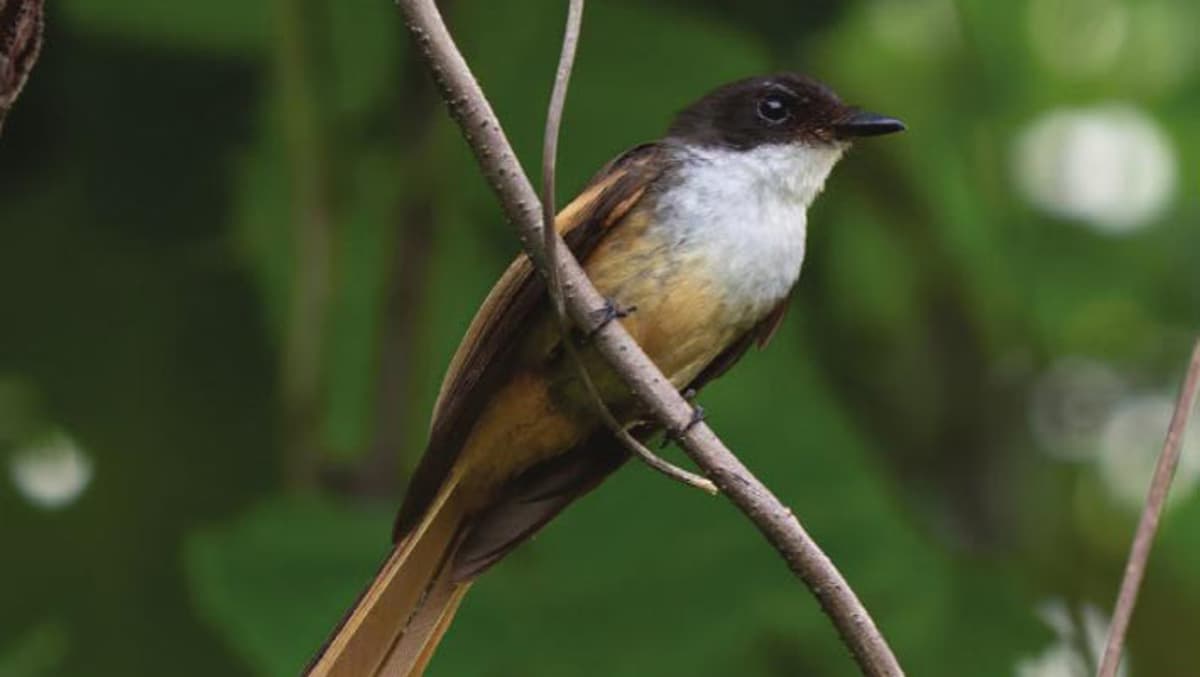
Ornithologists Describe New Bird Species From Remote Indonesian Islands
Why It Matters
The taxonomic revision reshapes conservation assessments for two endemic birds and underscores the power of bioacoustic data in uncovering hidden biodiversity.
Key Takeaways
- •Distinct song patterns separate Babar fantail from Tanimbar population.
- •Playback tests showed no cross‑island response, indicating reproductive isolation.
- •Morphological differences are subtle; vocal divergence drives species split.
- •New species named Rhipidura laguceria after 120‑year taxonomic oversight.
- •Both species remain Least Concern despite reduced individual range sizes.
Pulse Analysis
The discovery of Rhipidura laguceria highlights how bioacoustic analysis can reveal cryptic species that traditional morphology alone may miss. Researchers revisited historic specimens from the American Museum of Natural History and the Natural History Museum at Tring, pairing them with modern field recordings from the Babar and Tanimbar islands. By focusing on song structure—single rising whistles versus rhythmic, multi‑note phrases—they identified a clear acoustic divide that aligns with reproductive isolation, a key criterion for species delimitation.
Playback experiments formed the study’s backbone, with 132 trials demonstrating that birds responded only to conspecific calls. This lack of cross‑recognition suggests a premating barrier, reinforcing the argument for separate species status. The work exemplifies a growing trend in ornithology: integrating museum collections, digital sound archives, and field behavior to resolve long‑standing taxonomic puzzles. It also serves as a reminder that even well‑studied groups like fantails can harbor hidden diversity, especially in remote archipelagos where field access is limited.
From a conservation perspective, the split reduces each species’ range, nudging them closer to IUCN thresholds for threatened categories. However, both fantails thrive in degraded and edge habitats, mitigating immediate risk and justifying their continued Least Concern classification. The finding will prompt regional checklists to update distribution maps and may inspire targeted monitoring to ensure that habitat changes do not push either species toward vulnerability. As biodiversity assessments become more nuanced, such discoveries reinforce the need for comprehensive, multi‑modal research in biodiversity hotspots like Indonesia’s Maluku Province.
Ornithologists Describe New Bird Species from Remote Indonesian Islands
Comments
Want to join the conversation?
Loading comments...