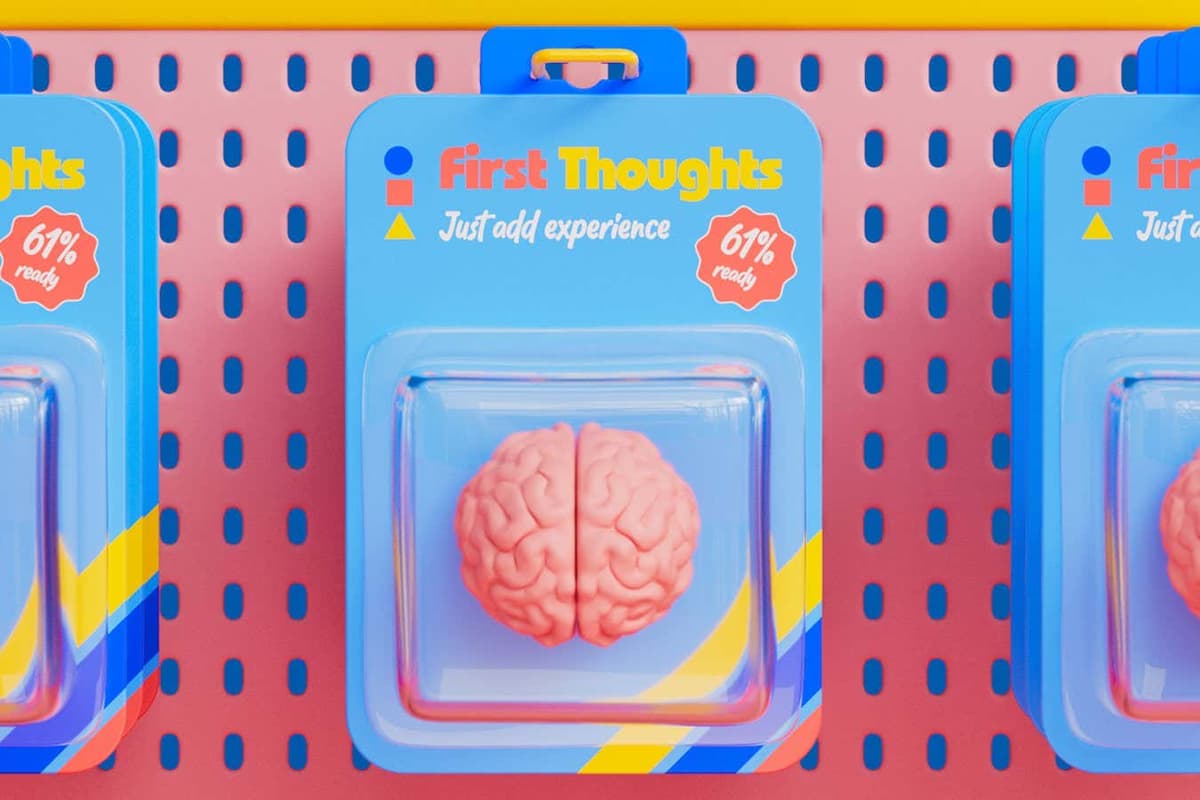
Our Brains Have Their First Thoughts Unexpectedly Early in Life
Why It Matters
These insights redefine the timeline for consciousness and purposeful thought, influencing early‑child development practices and neuro‑ethical considerations.
Key Takeaways
- •Newborns have 61% adult-like functional brain organization.
- •Myelin formation and pruning accelerate after birth, shaping networks.
- •Fetal brain activity hints at rudimentary conscious awareness.
- •Early thoughts likely tied to action intentions, not full consciousness.
- •Maternal environment influences newborn perception, e.g., bilingual cues.
Pulse Analysis
Recent neuroimaging breakthroughs have revealed that the fetal brain is far from a blank slate. By the third trimester, roughly 100 billion neurons have formed and the emerging connectome mirrors more than half of the adult brain’s functional layout. This early structural sophistication sets the stage for rapid post‑natal remodeling, where myelin sheaths insulate pathways and synaptic pruning sharpens efficiency. Understanding this timeline helps clinicians pinpoint critical windows for interventions that support optimal cognitive trajectories.
The philosophical stakes are equally profound. While fetal neural activity suggests a primitive form of awareness, most scholars agree that full consciousness—self‑referential experience—requires the infant’s interaction with a complex external environment. Early thoughts appear rooted in intention, such as the instinct to manipulate a mobile, rather than reflective introspection. This distinction fuels ongoing debates about the nature of thought, the prerequisites for consciousness, and how evolutionary pressures shaped a brain designed to be completed by experience.
Practically, these findings ripple through education, healthcare, and even artificial intelligence. Early‑life policies can leverage the knowledge that sensory exposure and caregiver interaction critically shape neural pathways, guiding parental support programs and pediatric care standards. Moreover, AI researchers draw parallels between developmental pruning and model optimization, using biological insights to refine machine learning architectures. As research deepens, the convergence of neuroscience, philosophy, and technology promises richer strategies for nurturing the next generation’s cognitive potential.
Our brains have their first thoughts unexpectedly early in life
Comments
Want to join the conversation?
Loading comments...