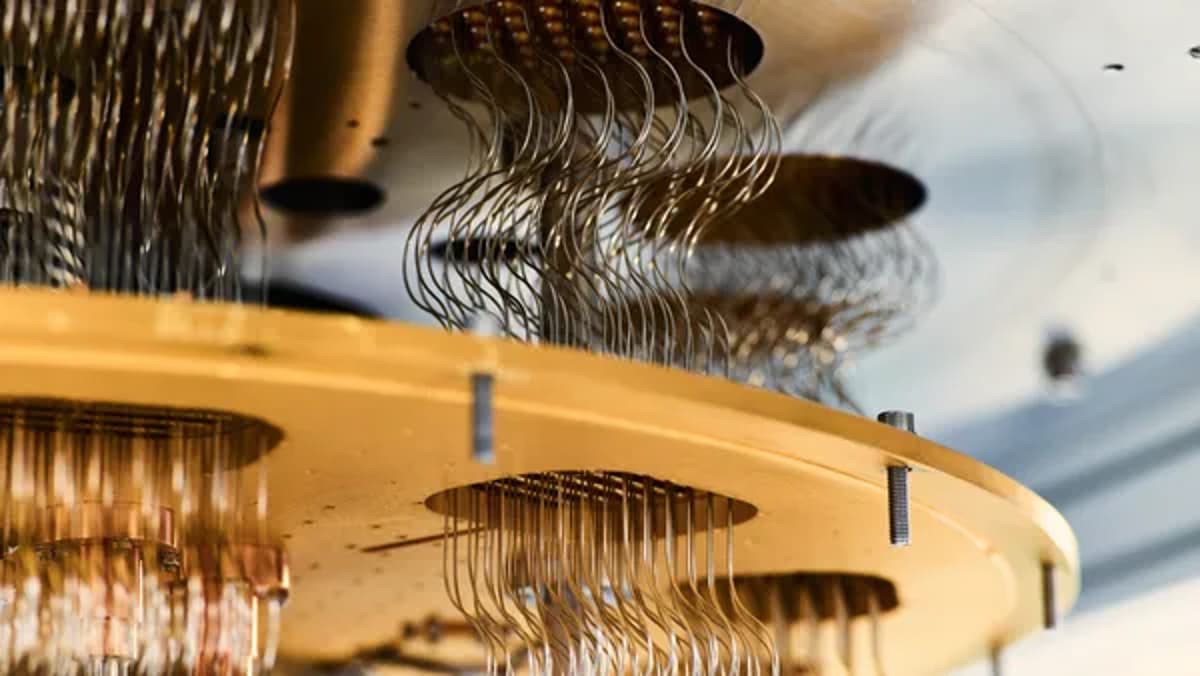
Our New Initiative to Apply Quantum Science and AI to the Life Sciences
Why It Matters
By applying quantum computing to molecular biology, REPLIQA could dramatically accelerate drug discovery and reduce R&D costs, reshaping the pharmaceutical landscape. The program also signals a strategic push by big tech into biotech, prompting industry‑wide collaborations.
Key Takeaways
- •Google Quantum AI pledges $10 million via Google.org
- •REPLIQA partners with Harvard, MIT, UCSD, UCSB, Arizona
- •Focus on quantum sensors and AI for protein folding simulations
- •Targets drug‑development enzymes like P450 for faster discovery
- •Aims to build foundational tools, not immediate products
Pulse Analysis
Quantum computing promises a paradigm shift for biology, where the sheer complexity of atomic‑scale interactions outpaces classical simulation capabilities. Traditional supercomputers struggle with the exponential scaling of quantum states, limiting accurate modeling of protein folding, enzyme dynamics, and drug‑target binding. Emerging quantum sensors, which can detect minute spin variations, offer a new window into cellular processes, potentially revealing mechanisms that have remained invisible to conventional techniques. This scientific frontier sets the stage for a deeper, physics‑based understanding of health at the molecular level.
Google’s REPLIQA program leverages this nascent technology by coupling it with advanced AI models trained on quantum‑generated data. The $10 million commitment from Google.org funds collaborative research across five elite institutions, each bringing expertise in quantum hardware, computational chemistry, and machine learning. Projects will explore quantum‑enhanced algorithms for simulating the cytochrome P450 enzyme—a linchpin in drug metabolism—and develop quantum‑sensor platforms capable of real‑time biological monitoring. By integrating AI, the initiative aims to translate raw quantum outputs into actionable insights, accelerating hypothesis testing and reducing the trial‑and‑error cycle that traditionally dominates drug development.
If successful, REPLIQA could compress years of R&D into months, delivering cost‑effective pathways for novel therapeutics. Pharmaceutical firms stand to benefit from faster target validation, more precise toxicity predictions, and the ability to explore chemical spaces previously deemed computationally infeasible. Moreover, the program underscores a broader industry trend where big‑tech resources are redirected toward life‑science breakthroughs, prompting new partnership models and competitive dynamics. While tangible products may be years away, the foundational tools emerging from REPLIQA are poised to become critical infrastructure for the next generation of biotech innovation.
Our new initiative to apply quantum science and AI to the life sciences
Comments
Want to join the conversation?
Loading comments...