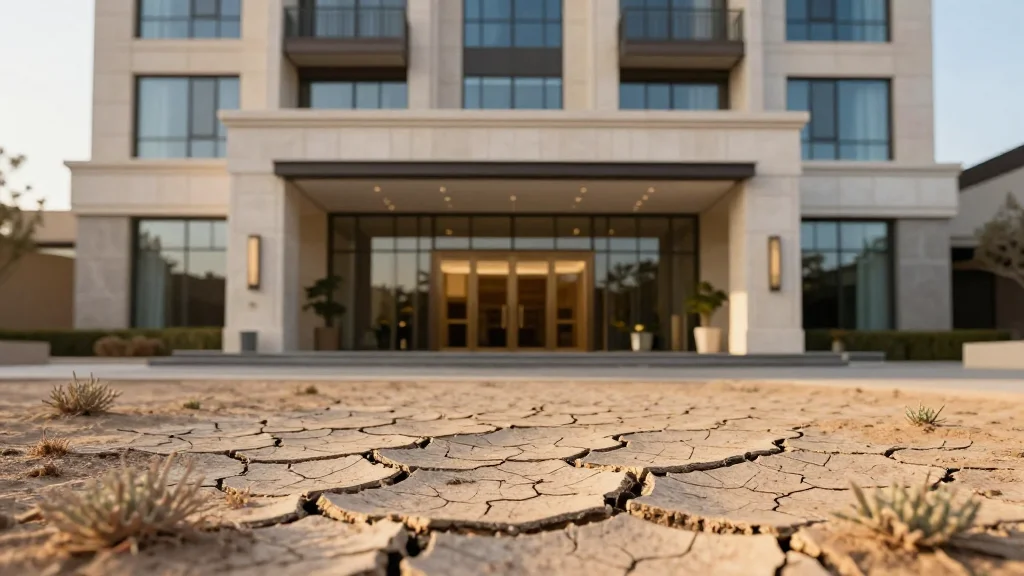
Over Half the U.S. Faces Water Crisis: The Case for Water Efficiency
Why It Matters
The prolonged drought threatens economic stability across multiple U.S. industries and accelerates the need for scalable water‑saving solutions, reshaping commercial real‑estate and manufacturing strategies.
Key Takeaways
- •Over 150 million Americans face drought across 48 states
- •La Niña shifts storm track north, leaving southern U.S. dry
- •Colorado River flow down 20% since 2000, heightening scarcity
- •Waterless tech promises zero‑water fixtures, cutting bills and emissions
Pulse Analysis
The United States is entering an unprecedented water scarcity episode, with La Niña steering storm systems farther north and hotter summers driving higher evapotranspiration rates. Climate scientists at Virginia Tech note that these patterns are not isolated events but part of a broader shift toward more frequent and severe droughts. As reservoirs dwindle and river basins like the Colorado experience a 20 percent flow reduction since the turn of the millennium, municipalities and utilities are confronting tighter supply margins and higher treatment costs.
Beyond residential restrictions, the drought is rippling through core commercial sectors. Building managers face higher water‑related operating expenses, while professional cleaning firms must adapt to limited water availability without compromising hygiene standards. Manufacturers that rely on water‑intensive processes are seeing production bottlenecks, and the wine industry—particularly California’s Napa Valley—grapples with reduced yields that could tighten supply chains nationwide. The economic fallout extends to energy generation, agriculture, and tourism, creating a cascade of revenue pressures that underscore the urgency of a coordinated response.
Waterless Co. and similar innovators argue that the solution lies in true water efficiency, leveraging zero‑water restroom fixtures, advanced recycling systems, and smart metering to slash consumption. These technologies not only lower utility bills but also reduce the carbon footprint associated with water treatment and distribution. As investors and policymakers prioritize climate‑resilient infrastructure, the market for water‑saving solutions is poised for rapid growth, offering a pragmatic pathway for businesses to mitigate risk while contributing to broader sustainability goals.
Over Half the U.S. Faces Water Crisis: The Case for Water Efficiency
Comments
Want to join the conversation?
Loading comments...