Overactive MYC Helps Tumors Fix DNA Breaks and Resist Chemotherapy, Study Finds
Why It Matters
By enabling tumors to fix chemotherapy‑induced DNA damage, MYC contributes to drug resistance, making it a critical target for more effective cancer therapies. Blocking this repair role could sensitize resistant cancers, especially pancreatic tumors, to existing treatments.
Key Takeaways
- •MYC directly repairs DNA breaks in tumor cells
- •High MYC activity links to chemotherapy resistance in pancreatic cancer
- •Modified MYC localizes to DNA damage sites, recruiting repair proteins
- •Targeting MYC’s repair function may sensitize tumors to treatment
Pulse Analysis
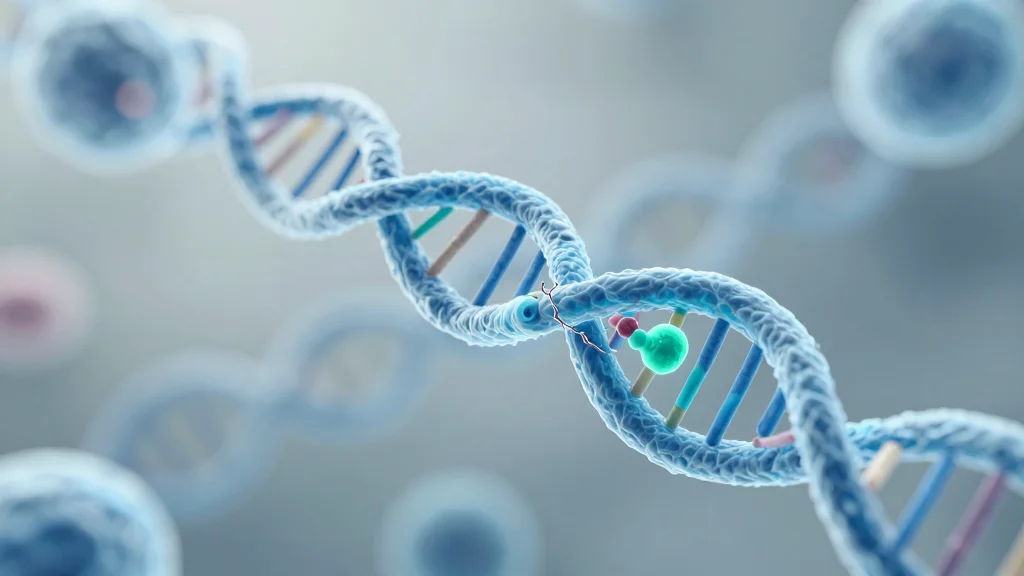
The MYC protein has been a cornerstone of cancer biology for decades, primarily recognized for its ability to amplify cell proliferation and metabolism. The new research adds a non‑canonical dimension: a post‑translationally modified MYC that physically binds to sites of DNA damage, acting as a scaffold for repair complexes. This mechanistic insight explains why tumors with elevated MYC levels can survive the DNA‑targeting assaults of chemotherapy and radiation, turning a survival advantage into a therapeutic hurdle.
Clinically, the discovery resonates most strongly in pancreatic cancer, where MYC overexpression is common and outcomes remain grim. Patient‑derived models demonstrated that MYC‑high tumors exhibit robust DNA repair signatures and correlate with reduced survival. OHSU’s ongoing “window of opportunity” trial with the MYC inhibitor OMO‑103 aims to test whether disrupting MYC’s repair function can render these tumors more vulnerable to standard chemotherapies, offering a potential new combination strategy for a disease that has long defied effective treatment.
Beyond pancreatic cancer, the broader oncology field stands to benefit from targeting MYC’s repair role. Historically deemed “undruggable,” MYC’s involvement in DNA repair provides a more precise therapeutic entry point that may spare normal cells reliant on MYC’s physiological functions. As drug developers refine molecules that selectively impair MYC‑mediated repair, the paradigm could shift toward combination regimens that pair DNA‑damaging agents with MYC‑focused inhibitors, ultimately improving response rates across multiple MYC‑driven malignancies.
Overactive MYC helps tumors fix DNA breaks and resist chemotherapy, study finds
Comments
Want to join the conversation?
Loading comments...