Why It Matters
The discovery underscores the scientific value of narrow‑band astrophotography for mapping interstellar oxygen, while demonstrating the growing capability of modest‑size equipment to produce research‑grade data.
Key Takeaways
- •66.7 hours of combined Hα, O III, and RGB data captured.
- •Oxygen filaments appear blue, spanning over 6° across Cygnus.
- •Sharpless 2‑115 and LBN 331 nebulae featured in the composite.
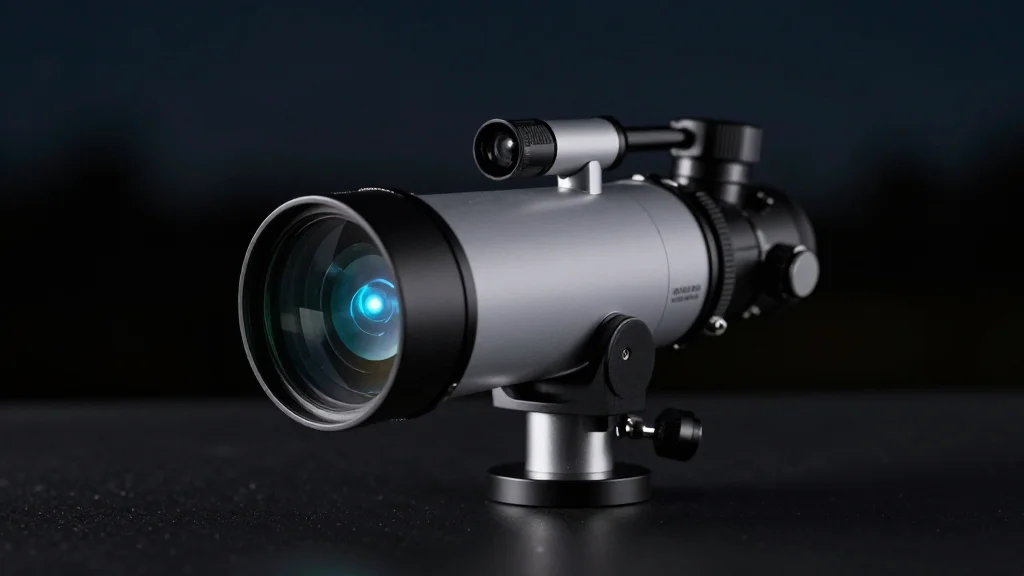
- •2.8‑inch f/5.6 astrograph enabled deep‑sky imaging.
- •O III filter reveals rare interstellar oxygen structures.
Pulse Analysis
Narrow‑band imaging, especially with an O III filter, has become a cornerstone for both amateur and professional astronomers seeking to isolate specific emission lines. By blocking out the overwhelming hydrogen glow, the filter accentuates oxygen’s characteristic blue hue, allowing structures like the filaments in Cygnus to emerge with striking clarity. The 66⅔‑hour integration time reflects a commitment to depth over speed, a trend fueled by advances in sensor sensitivity and noise‑reduction algorithms that make long exposures more practical for smaller observatories.
Beyond visual appeal, the oxygen filaments provide valuable data on the composition and dynamics of the interstellar medium. Oxygen, a key coolant in nebular environments, traces regions of recent star formation and shock fronts. Mapping its distribution helps astrophysicists refine models of galactic chemical evolution and assess the impact of massive stars on surrounding gas. The inclusion of Sharpless 2‑115 and LBN 331 offers a comparative view of how oxygen emission varies across different nebular conditions, enriching the scientific dialogue on nebular physics.
The success of this image also signals a shift in the astrophotography market. High‑quality, compact astrographs like the 2.8‑inch f/5.6 unit are gaining traction among serious hobbyists and university labs alike, driven by demand for portable yet powerful equipment. Manufacturers are responding with improved optics, motorized mounts, and software that streamline multi‑filter stacking. As more observers adopt these tools, the volume of deep‑sky data will expand, feeding both commercial image repositories and academic research pipelines, and reinforcing the symbiotic relationship between the hobbyist community and professional astronomy.
Oxygen swells in Cygnus
Comments
Want to join the conversation?
Loading comments...