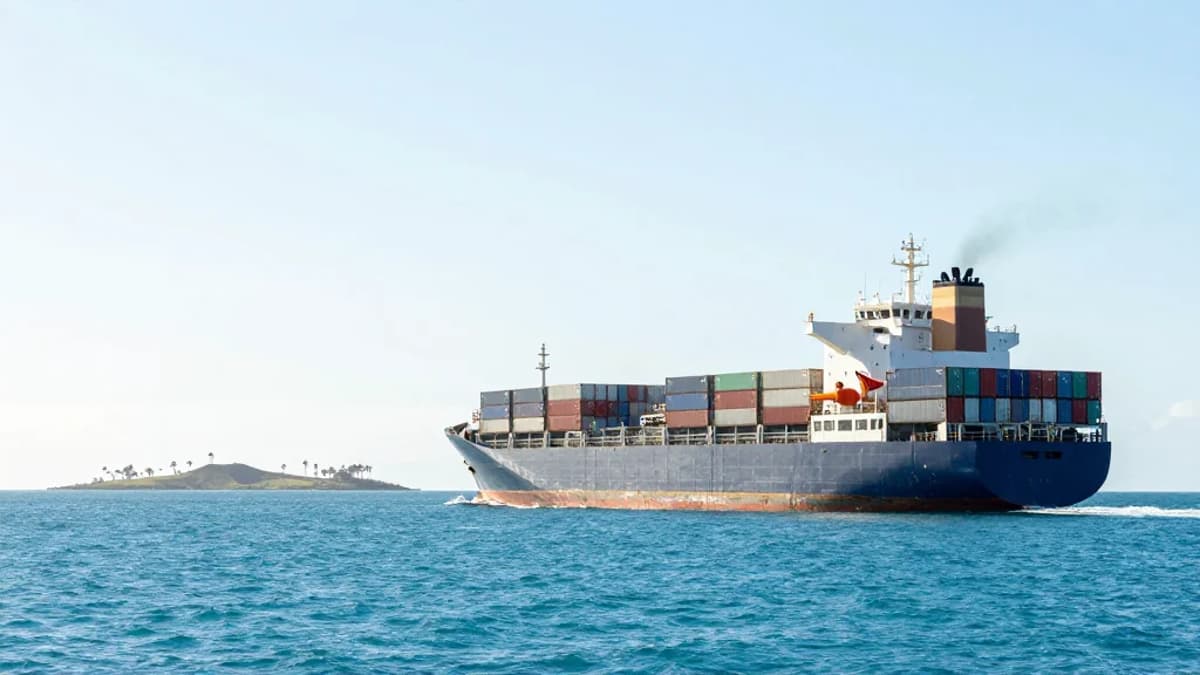
Pacific Nations Want Higher Emissions Charges if Shipping Talks Reopen
•February 27, 2026
0
Why It Matters
A universal shipping levy would create a sizable, predictable revenue stream for climate‑vulnerable nations, while a fragmented levy regime could destabilize global shipping costs and undermine IMO climate goals.
Key Takeaways
- •Pacific islands demand universal shipping emissions levy.
- •They seek higher fees to fund climate transition.
- •US and Saudi Arabia delayed IMO Net‑Zero Framework adoption.
- •Proposed exemption for transitional fuels may weaken climate ambition.
- •Patchwork regional levies could increase compliance costs.
Pulse Analysis
The International Maritime Organization’s Net‑Zero Framework (NZF) has become a flashpoint in global climate diplomacy, with the United States and Saudi Arabia successfully stalling its final approval in October 2025. Their strategy hinges on reshaping the deal to accommodate transitional fuels such as LNG and bio‑fuels, arguing that strict emission caps could hinder maritime trade. This maneuver reflects broader geopolitical tensions, as major shipping nations balance climate ambition against economic competitiveness, and it has left the NZF in a fragile, provisional state awaiting a new vote in October 2026.
Against this backdrop, a bloc of seven Pacific island states—Fiji, Kiribati, Vanuatu, Nauru, Palau, Tuvalu and the Solomon Islands—has issued a joint submission demanding a universal levy on all ship emissions, not merely those exceeding a threshold. They contend that a flat, global charge would generate the predictable funding required for port upgrades, resilient infrastructure, and support for seafarers in the face of rising sea levels. By tying revenue distribution to need‑based criteria, the Pacific coalition aims to ensure that no nation is left behind in the transition to low‑carbon shipping, positioning the levy as both a climate tool and a development mechanism.
The stakes for the shipping industry are significant. Without a unified global levy, the IMO risks a patchwork of regional taxes—such as the EU’s emissions trading system—creating compliance complexity and cost volatility for shipowners. A universal charge could streamline reporting, foster investment in zero‑carbon fuels, and level the playing field across jurisdictions. Conversely, concessions to transitional‑fuel exemptions may dilute the environmental integrity of the framework, slowing progress toward the IMO’s 2050 net‑zero target. Stakeholders therefore watch closely whether the Pacific nations’ push can reshape the NZF into a more equitable, financially robust instrument that aligns commercial realities with urgent climate imperatives.
Pacific nations want higher emissions charges if shipping talks reopen
0
Comments
Want to join the conversation?
Loading comments...