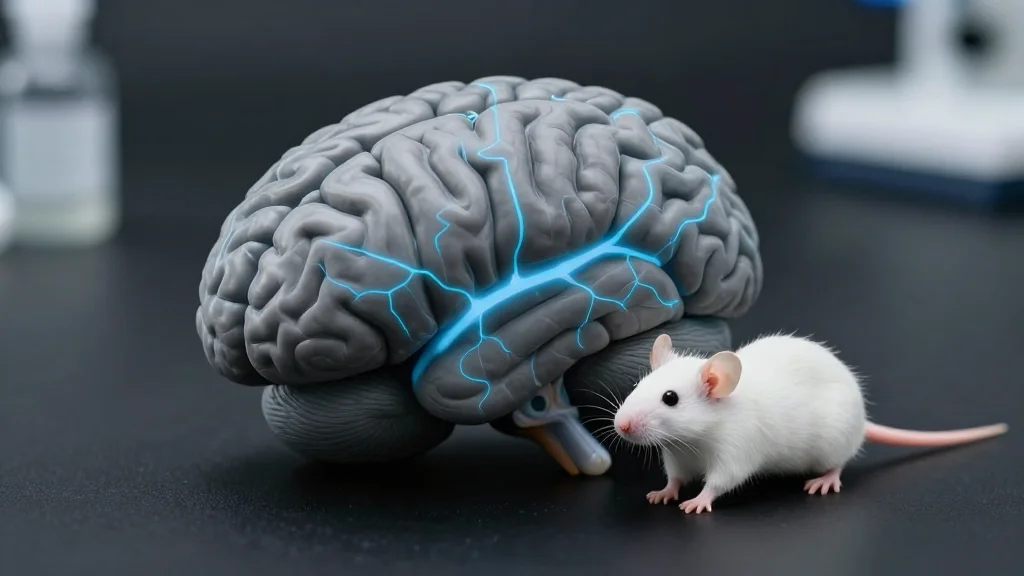
Parsing Autism Spectrum Heterogeneity Through fMRI
Why It Matters
Linking genetic risk to specific brain‑connectivity phenotypes enables more precise diagnostics and paves the way for targeted therapies, addressing the longstanding challenge of clinical heterogeneity in autism spectrum disorder.
Key Takeaways
- •Two distinct dysconnectivity signatures identified across 20 autism mouse models
- •Signatures map to synaptic signaling and immune system molecular pathways
- •Human fMRI shows analogous connectivity patterns, supporting cross-species translation
- •Framework enables biologically grounded phenotyping for personalized autism interventions
- •Study bridges genetics, brain dynamics, and clinical heterogeneity in ASD
Pulse Analysis
Autism spectrum disorder (ASD) remains one of the most heterogeneous neurodevelopmental conditions, complicating efforts to translate genetic discoveries into clinical practice. Traditional diagnostic tools rely on behavioral assessments that mask underlying biological diversity, prompting researchers to seek neuroimaging biomarkers that can stratify patients by mechanistic subtypes. Functional magnetic resonance imaging (fMRI) offers a window into brain network dynamics, yet prior studies have produced inconsistent connectivity signatures, limiting their utility for precision medicine.
The new study leverages a cross‑species design, integrating high‑resolution fMRI data from 20 genetically engineered mouse models that capture a broad swath of autism‑associated risk genes. By applying advanced network analysis, the team isolated two reproducible dysconnectivity patterns: one characterized by reduced connectivity in synaptic signaling circuits, the other by altered immune‑related network hubs. Gene‑enrichment analyses linked each pattern to distinct molecular pathways, providing a causal bridge from genotype to phenotype. Crucially, analogous connectivity alterations were detected in a cohort of autistic adults, confirming that the mouse-derived signatures translate to human neurobiology.
These insights have immediate implications for the biotech and pharmaceutical sectors. A biologically anchored phenotyping framework enables stratified clinical trials, where therapeutic candidates can be matched to patients whose connectivity profile aligns with the drug’s mechanism of action. Moreover, the identified signatures could serve as surrogate endpoints in early‑phase studies, accelerating the evaluation of novel interventions targeting synaptic function or neuroimmune modulation. As the field moves toward personalized neuromodulation and gene‑editing strategies, this translational roadmap equips clinicians and investors with actionable biomarkers to navigate ASD’s complex landscape.
Parsing autism spectrum heterogeneity through fMRI
Comments
Want to join the conversation?
Loading comments...