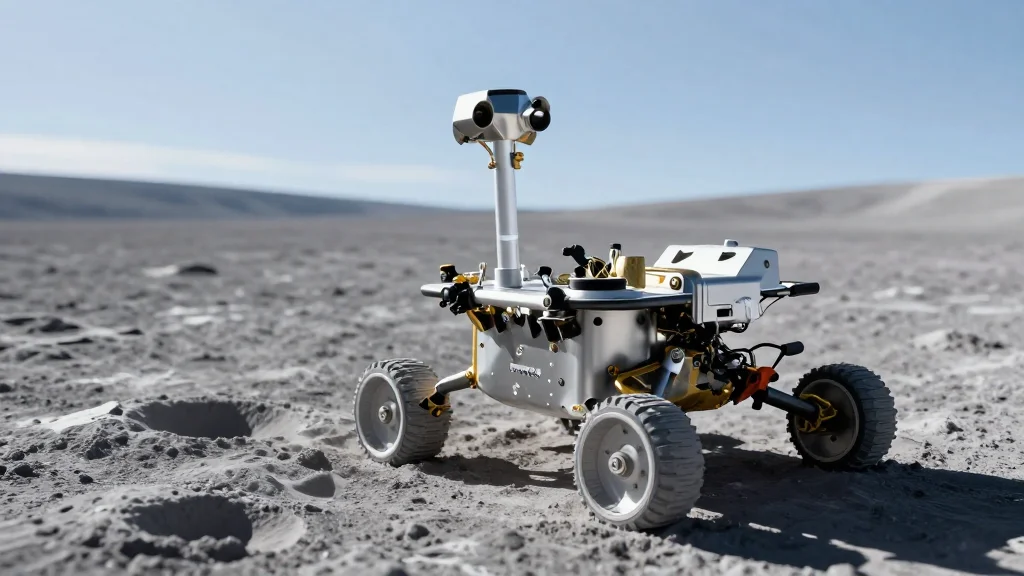
Pegasus: The Next-Gen Lunar Rover that Will Leave Apollo Buggy in Its Dust
Companies Mentioned

Why It Matters
Pegasus expands Artemis mobility, enabling sustained exploration of water‑rich polar craters and accelerating the path toward a permanent lunar base. Its performance will be a litmus test for commercial‑government collaboration on deep‑space infrastructure.
Key Takeaways
- •Pegasus costs $220 million, aims for 2027 lunar delivery
- •Operates autonomously across temperature swings –410 °F to 250 °F
- •Expected to travel 100× Apollo rover distance in a year
- •Built on Eagle platform with GM, Goodyear, Leidos partners
Pulse Analysis
The Artemis program’s ambition to establish a permanent presence at the lunar south pole hinges on reliable surface mobility, prompting NASA to award a $219 million contract to Astrolab and a $220 million contract to Lunar Outpost for next‑generation Lunar Terrain Vehicles. By selecting Pegasus alongside its larger sibling Eagle, NASA signals a shift from the short‑duration Apollo excursions to a sustained, crew‑centric exploration model that can support scientific payloads, resource prospecting, and habitat construction. The competitive contract structure also underscores the agency’s strategy of leveraging commercial innovation to accelerate timelines and reduce costs.
Pegasus distinguishes itself with an autonomous thermal management system capable of handling the Moon’s brutal temperature extremes—from –410 °F in permanently shadowed craters to 250 °F in sun‑lit regions. The rover’s design, derived from the Eagle platform and informed by GM’s Hummer EV architecture, incorporates high‑fidelity digital‑twin modeling and multiphysics simulations that shaved weeks off the development cycle. Partnerships with Goodyear provide lunar‑grade tires, while Leidos contributes advanced autonomy software, ensuring the vehicle can be driven manually, tele‑operated from Earth, or navigate fully autonomously. With a projected operational lifespan of at least one year and a travel range 100 times that of the Apollo LRV, Pegasus promises to extend crew activity zones far beyond the immediate landing site.
Strategically, Pegasus is a critical enabler for extracting water ice from shadowed craters—an essential resource for life‑support, fuel production, and long‑term habitat sustainability. Successful deployment by late 2027 will validate the commercial‑government delivery model and set a precedent for future surface assets on Mars or other celestial bodies. Moreover, the rover’s capabilities could influence policy decisions regarding lunar resource rights and bolster the United States’ leadership in the emerging space economy, shaping the next decade of deep‑space exploration.
Pegasus: The next-gen lunar rover that will leave Apollo buggy in its dust
Comments
Want to join the conversation?
Loading comments...