Periodontitis Alters the Gut Microbiome to Accelerate Osteoporosis

Key Takeaways
- •Periodontitis patients have more diverse salivary microbiota.
- •Transferred salivary microbes worsen bone loss in OVX mice.
- •Gut dysbiosis suppresses tryptophan metabolism, lowering ILA.
- •ILA directly blocks osteoclast formation.
- •ILA supplementation restores bone density in affected mice.
Pulse Analysis
Periodontal disease has long been associated with systemic conditions, yet most research has centered on cardiovascular complications. Recent investigations highlight an emerging oral‑gut axis, where pathogenic bacteria from inflamed gums travel to the gastrointestinal tract, reshaping microbial communities. This gut dysbiosis can influence distant organs, including bone tissue, by altering metabolic pathways that regulate inflammation and cellular turnover. Understanding these connections broadens the perspective on how localized infections can have far‑reaching health consequences.
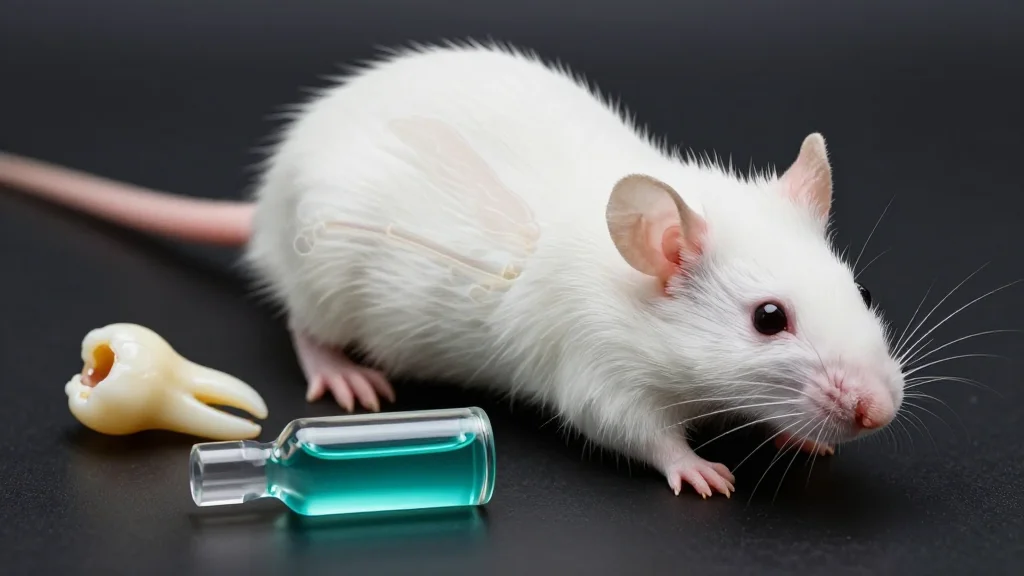
In a controlled study, scientists transplanted salivary microbiota from individuals with periodontitis into ovariectomized mice, a standard model for post‑menopausal osteoporosis. The introduced microbes disrupted the recipients' gut flora, markedly decreasing tryptophan metabolism and the production of indole‑3‑lactic acid (ILA), a metabolite known to inhibit osteoclast differentiation. As a result, bone resorption accelerated, confirming that oral pathogens can indirectly drive skeletal degeneration through metabolic interference. The mechanistic link between reduced ILA and heightened osteoclastogenesis provides a clear biochemical pathway linking gum disease to bone loss.
These insights suggest novel therapeutic strategies that target the microbiome rather than bone cells directly. Supplementing ILA or modulating gut bacteria to restore tryptophan‑derived metabolites could become a complementary approach to existing osteoporosis drugs. Moreover, routine periodontal care might serve as a preventative measure for bone health, emphasizing interdisciplinary collaboration between dental and medical professionals. Future research will need to validate these findings in human cohorts and explore probiotic or dietary interventions that sustain a protective oral‑gut microbial balance.
Periodontitis Alters the Gut Microbiome to Accelerate Osteoporosis
Comments
Want to join the conversation?