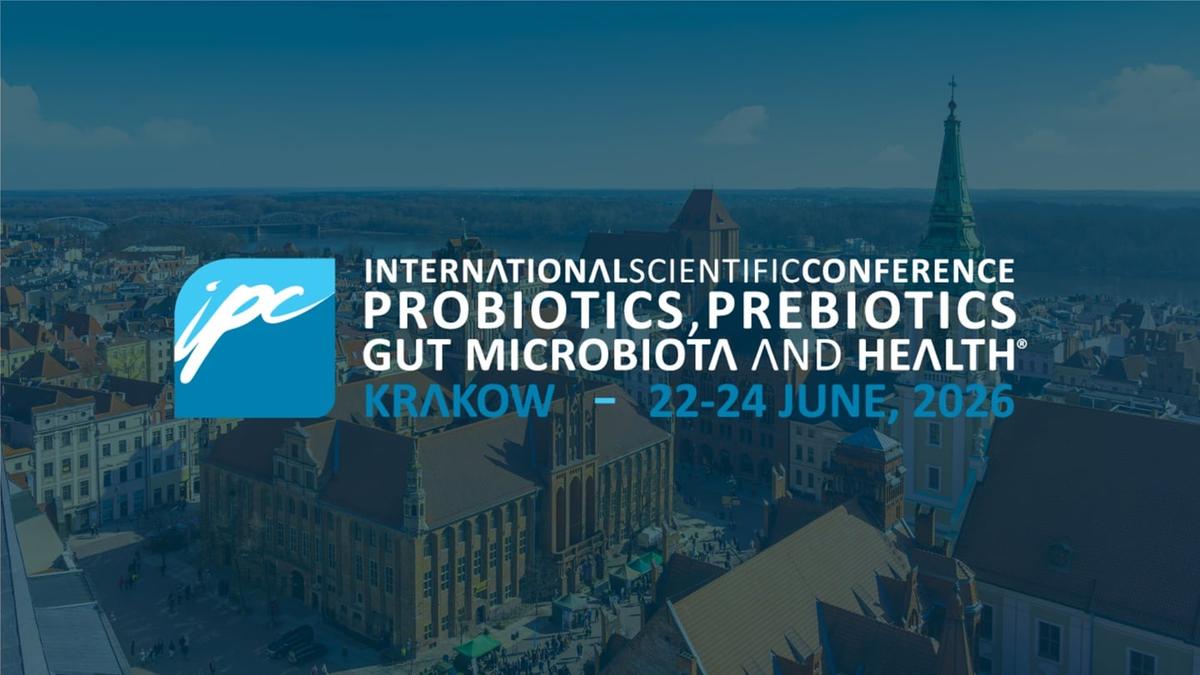
Personalization, Phytonutrients and A.I. Among Themes for IPC 2026
Why It Matters
The conference accelerates translation of cutting‑edge microbiome science into commercial products, influencing health, nutrition, and biotech markets worldwide. Its focus on AI and personalization signals a shift toward data‑driven, targeted interventions.
Key Takeaways
- •IPC 2026 focuses on AI-driven probiotic production.
- •Personalized microbiome interventions highlighted as emerging trend.
- •Phytonutrients and virome research added to agenda.
- •Abstract submissions deadline April 24 for oral talks.
- •Kraków hosts conference, boosting European microbiome collaboration.
Pulse Analysis
The International Probiotics Conference has become a cornerstone for microbiome research, reflecting the sector’s rapid expansion from niche academic circles to mainstream health and nutrition markets. By gathering over 850 abstracts from more than 200 universities and 60 research institutes, IPC provides a rare cross‑disciplinary forum where scientists, clinicians, and industry leaders can validate findings, discuss regulatory pathways, and identify commercial opportunities. This concentration of expertise not only accelerates scientific consensus but also informs investors about emerging trends shaping the next wave of microbiome‑based products.
IPC 2026’s agenda underscores three pivotal shifts: the integration of artificial intelligence into probiotic manufacturing, the rise of personalized microbiome therapies, and the exploration of phytonutrients and virome components as functional ingredients. AI promises to streamline strain selection, optimize fermentation processes, and predict efficacy, reducing time‑to‑market for novel formulations. Meanwhile, personalized interventions—tailored to individual microbial signatures—are poised to transform preventive health strategies, offering higher efficacy than one‑size‑fits‑all supplements. The inclusion of phytonutrients and virome research expands the therapeutic horizon, suggesting synergistic effects that could enhance gut‑organ axis health.
Hosting the event in Kraków, a historic European university city, adds strategic value by linking the conference to a vibrant research ecosystem and facilitating networking across academia, biotech, and consumer‑goods firms. Open abstract calls, with deadlines in April and May 2026, invite fresh data that can shape future conference themes and industry roadmaps. As the event transitions under the stewardship of William Reed, its influence on market dynamics, regulatory discourse, and collaborative ventures is set to deepen, making IPC 2026 a critical touchpoint for stakeholders aiming to stay ahead in the competitive microbiome landscape.
Personalization, phytonutrients and A.I. among themes for IPC 2026
Comments
Want to join the conversation?
Loading comments...