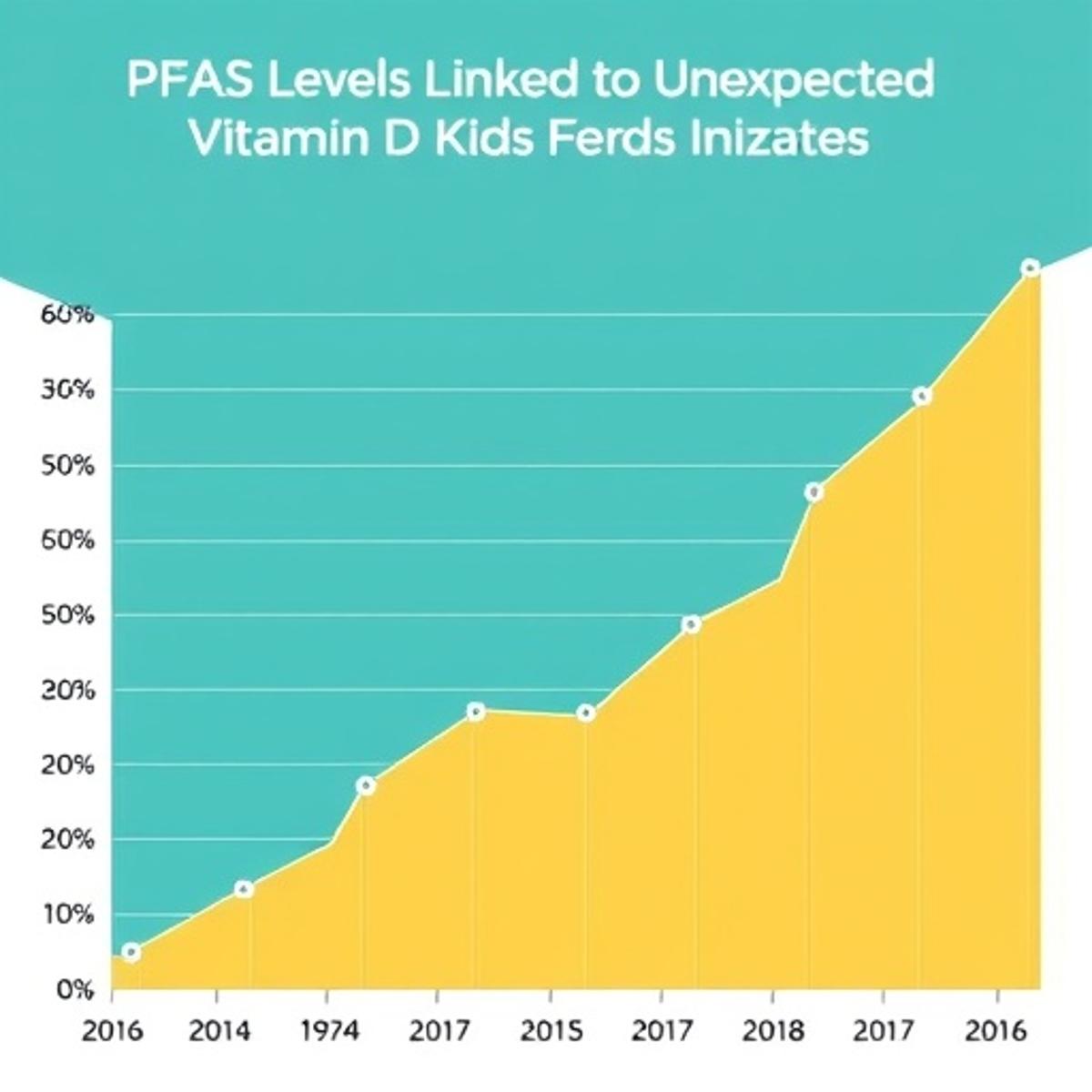
PFAS Levels Linked to Unexpected Vitamin D Trends in Kids
Why It Matters
The link reveals a hidden endocrine‑disrupting effect of PFAS that could impair bone health and growth in children, prompting tighter regulatory scrutiny and public‑health monitoring.
Key Takeaways
- •Study of 1,200 U.S. children links PFAS exposure to lower vitamin D
- •PFOS increase of 1 ng/mL reduces vitamin D by 0.8 ng/mL
- •Season‑adjusted analysis controls for diet, BMI, socioeconomic factors
- •Potential PFAS interference with liver enzymes that activate vitamin D
- •Results may drive stricter PFAS limits and pediatric screening
Pulse Analysis
Per‑ and polyfluoroalkyl substances (PFAS) have become ubiquitous in consumer products, from non‑stick cookware to firefighting foams, leading to widespread human exposure. While past research has focused on PFAS’s role in cholesterol, immune function, and cancer risk, a new epidemiological study expands the conversation to vitamin D metabolism in children. By analyzing blood samples from 1,200 participants across the United States, the researchers identified a clear inverse relationship between PFAS concentrations and 25‑hydroxyvitamin D, a key marker of bone health and immune competence.
The study’s robust design—seasonal sampling, adjustment for body‑mass index, dietary vitamin D intake, and socioeconomic status—strengthens the credibility of its findings. Biochemically, PFAS may inhibit cytochrome P450 enzymes such as CYP2R1, which convert vitamin D precursors into their active form. A 1 ng/mL rise in PFOS corresponded to a 0.8 ng/mL decline in vitamin D, a magnitude comparable to the effect of reduced sunlight exposure during winter months. For growing children, even modest deficits in vitamin D can translate into weaker bone mineral density, higher fracture risk, and potential long‑term skeletal issues.
These results arrive at a critical moment as policymakers debate tighter PFAS regulations. The data provide a compelling public‑health rationale for expanding biomonitoring programs and incorporating vitamin D screening into pediatric check‑ups, especially in communities with known PFAS contamination. Parents can mitigate risk by ensuring adequate dietary vitamin D and safe sun exposure, while clinicians may need to consider environmental exposure histories when evaluating low vitamin D levels. Continued research into the mechanistic pathways will be essential for crafting targeted interventions and informing future regulatory standards.
PFAS Levels Linked to Unexpected Vitamin D Trends in Kids
Comments
Want to join the conversation?
Loading comments...