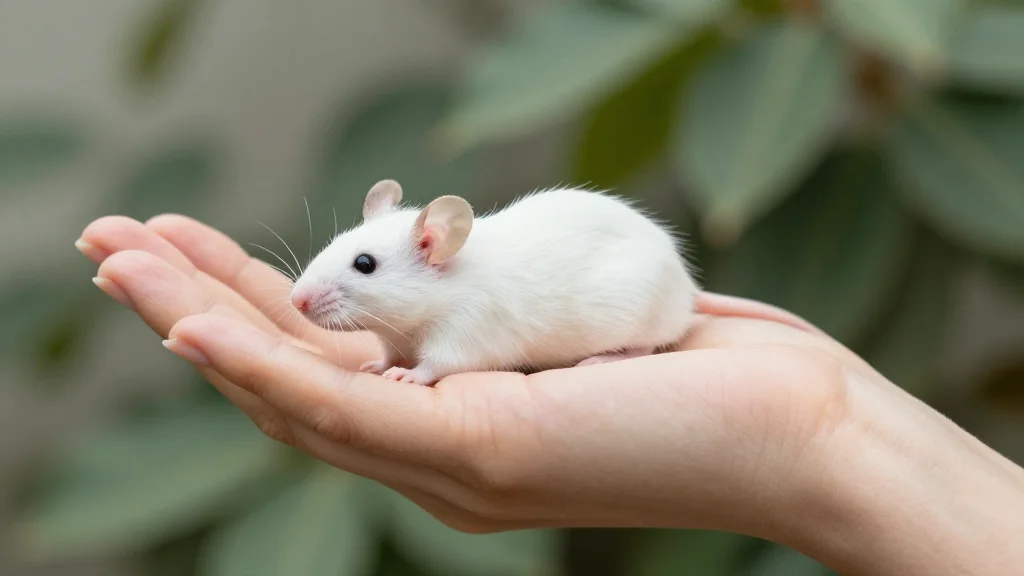
Phasing Out Animal Research Prematurely Will Maintain Gender Inequities in Medicine
Companies Mentioned
Why It Matters
If gender gaps persist, new therapies may fail or cause adverse effects in women, undermining public health and increasing regulatory risk for biotech firms.
Key Takeaways
- •Male‑biased animal studies leave female drug responses understudied
- •NIH’s SABV policy pushes sex‑balanced preclinical designs
- •Early elimination of animal models risks cementing data gaps
- •Human‑on‑chip platforms lack validated female physiology data
Pulse Analysis
Decades of male‑centric animal research have produced a skewed evidence base that overlooks crucial aspects of female physiology. Studies cited by Kovlyagina and Jaric show that sex differences influence disease progression, drug metabolism, and neurological outcomes. This systemic bias translates into higher rates of adverse drug reactions among women and delays the discovery of therapies that address sex‑specific health needs.
The push to replace animal experiments with in‑vitro and in‑silico alternatives is gaining momentum, driven by ethical concerns and regulatory incentives. However, most emerging platforms are calibrated on data derived from male animals, meaning they inherit the same blind spots. Deploying these technologies without first establishing validated female models could lock existing inequities into the next generation of biomedical research, limiting the predictive power of precision‑medicine tools.
Policymakers, funders, and industry leaders must prioritize sex‑balanced data generation before scaling back animal work. Initiatives like the NIH’s SABV policy and EU‑SABV consortium provide frameworks for integrating female cohorts into preclinical pipelines. Investment in sex‑specific validation studies for organ‑on‑chip and AI‑driven models will ensure that the transition away from animal research enhances, rather than erodes, the inclusivity and reliability of medical innovation.
Phasing out animal research prematurely will maintain gender inequities in medicine
Comments
Want to join the conversation?
Loading comments...