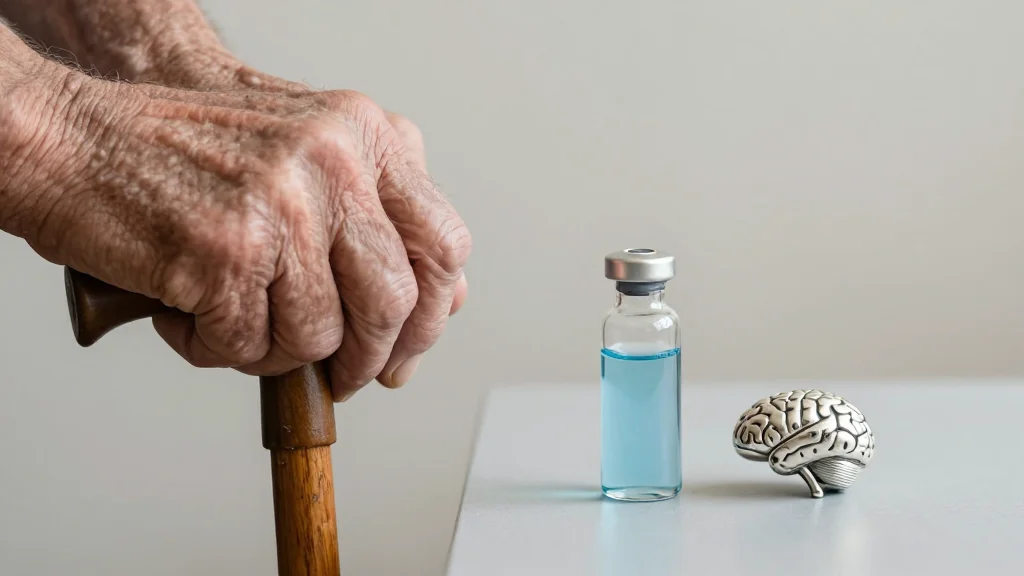
Physical Disorders, ADLs, Cognition, Depression in Nursing Homes
Why It Matters
The research shows that treating physical ailments alone won’t restore independence; integrated interventions are essential for improving quality of life and reducing costs in long‑term care facilities.
Key Takeaways
- •Physical ailments indirectly reduce ADLs via cognition and depression
- •Parallel mediation analysis reveals stronger indirect than direct effects on function
- •Integrated physical, cognitive, and mental health interventions improve resident independence
- •Staffing models should embed mental‑health professionals in long‑term care
- •Digital tools can monitor cognition and mood to prevent functional decline
Pulse Analysis
The aging of the U.S. population has intensified scrutiny of how nursing homes maintain resident independence. While chronic physical conditions are a well‑known driver of functional decline, the new study published in BMC Geriatrics demonstrates that the impact is largely mediated by cognitive impairment and depressive symptoms. By applying a parallel mediation framework and structural‑equation modeling, the authors quantified these indirect effects, revealing that mental‑health pathways often outweigh the direct physical burden in determining ADL performance.
These insights reshape clinical and operational strategies in long‑term care. Facilities that allocate resources solely to physical therapy risk overlooking the psychological levers that sustain daily functioning. Integrated care teams—combining physiatrists, neuropsychologists, and psychiatrists—can address the intertwined decline, improving therapy adherence and overall wellbeing. Policymakers may need to revise staffing ratios to include mental‑health specialists as core personnel, ensuring routine cognitive and mood assessments become standard practice alongside physical examinations.
Looking ahead, the study paves the way for technology‑enabled interventions. Wearable monitors, telepsychiatry platforms, and evidence‑based cognitive‑training apps can provide continuous feedback, enabling early detection of mood shifts or cognitive dips before they erode ADLs. Such digital health tools, paired with personalized treatment plans, promise to break the vicious cycle of physical‑mental decline. Continued longitudinal research will be critical to confirm causal pathways and identify optimal intervention windows, ultimately guiding a more humane, cost‑effective model of elder care.
Physical Disorders, ADLs, Cognition, Depression in Nursing Homes
Comments
Want to join the conversation?
Loading comments...