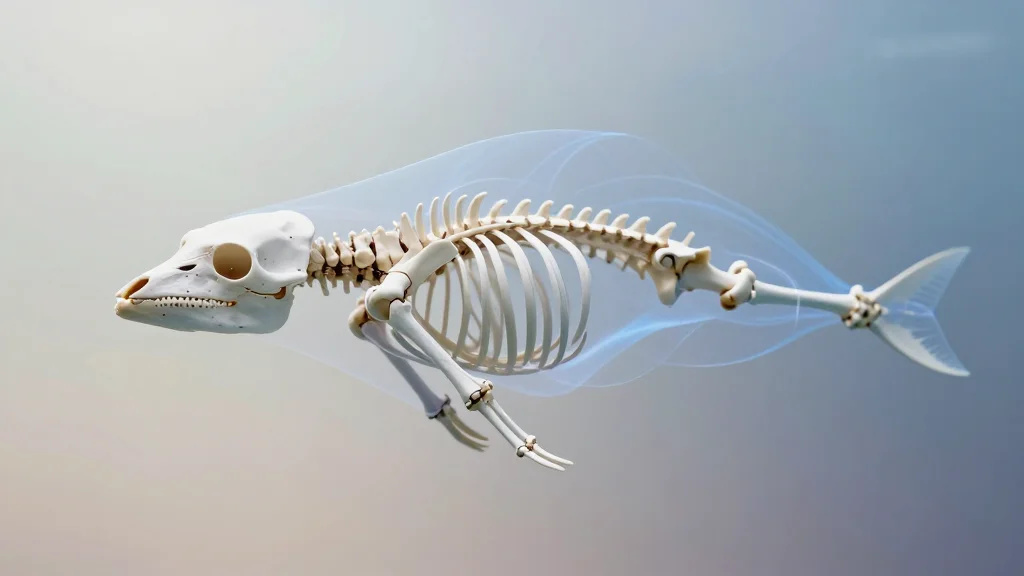
Pixels Preserve World's Rarest Porpoise to 3D Digital Archive as Extinction Risk Grows
Why It Matters
By making the world’s rarest marine mammal digitally accessible, the project accelerates research and public engagement, reinforcing the urgency of protecting the vaquita’s habitat from gillnet fishing.
Key Takeaways
- •Researchers created a complete 3D digital skeleton of the vaquita.
- •Digital models are freely available on MorphoSource for global research.
- •Advanced CT and micro‑CT imaging captured micrometer‑scale bone details.
- •Open‑access data aids education, replica production, and conservation awareness.
- •Vaquita extinction risk underscores need for urgent gillnet bans.
Pulse Analysis
The vaquita, the Gulf of California’s endemic porpoise, has become a poster child for the accelerating biodiversity crisis. While illegal gillnetting for the prized totoaba swim bladder drives its numbers toward zero, scientists are turning to cutting‑edge imaging to safeguard what remains. By layering medical CT scans with micro‑CT and high‑resolution photography, the FAU team produced a multi‑scale digital replica that preserves both external morphology and internal bone architecture, a feat impossible just a decade ago.
Beyond preservation, the open‑access 3D models unlock new avenues for research and education. Marine biologists can now examine skeletal nuances without handling the fragile specimen, while educators can generate accurate physical replicas for classrooms worldwide. Hosting the data on MorphoSource ensures that any researcher, from a graduate student in Mexico to a museum curator in Europe, can download, manipulate, and analyze the scans, fostering collaborative studies on cetacean anatomy, evolutionary biology, and health diagnostics.
The initiative also illustrates how digital technology can amplify conservation advocacy. Visualizing the vaquita’s anatomy in interactive form makes the abstract notion of “endangered” tangible, helping policymakers and the public grasp the urgency of eliminating gillnets. As more species face similar threats, scalable digitization pipelines could become a standard tool in the conservation toolkit, providing a permanent scientific record while buying time for on‑the‑ground protection measures. The vaquita’s digital resurrection may not save the last individuals, but it equips the scientific community with data essential for preventing future extinctions.
Pixels preserve world's rarest porpoise to 3D digital archive as extinction risk grows
Comments
Want to join the conversation?
Loading comments...