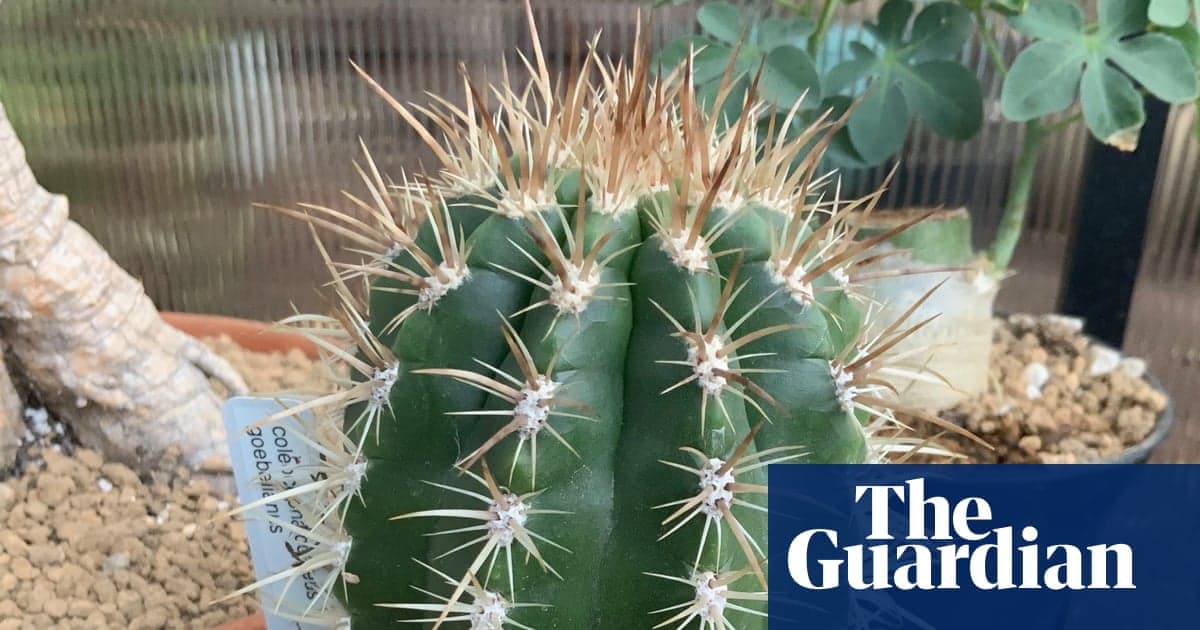
Plantwatch: The Cactus that Lures Bats with Its Fuzzy Acoustic Hat
Why It Matters
Understanding this acoustic pollination strategy reveals a novel plant‑bat mutualism and offers fresh inspiration for bio‑engineered sonar systems, while highlighting the delicate ecological webs that support biodiversity in tropical habitats.
Key Takeaways
- •Coleocephalocereus goebelianus uses fuzzy cephalium to focus bat echolocation
- •Cephalium acts as acoustic lens, reducing background noise for bats
- •Tall tower growth elevates flowers, enhancing echo visibility
- •Similar acoustic strategies found in pitcher plants, aiding bat navigation
- •Insights could inspire biomimetic sonar designs for drones and robotics
Pulse Analysis
The discovery that Coleocephalocereus goebelianus relies on a specialized, woolly cephalium to manipulate ultrasonic waves adds a new dimension to our understanding of plant‑pollinator communication. Unlike the more familiar scent‑based lures, this cactus creates a physical acoustic beacon that directs the high‑frequency squeaks of insectivorous bats straight to its nectar‑rich flowers. By shaping and amplifying echoes, the cephalium reduces the acoustic clutter of the surrounding forest, effectively turning the plant into a natural sonar reflector.
This adaptation illustrates a sophisticated co‑evolutionary arms race between nocturnal flora and their bat pollinators. In the dense Atlantic‑forest understory, visual cues are limited, and many night‑blooming species have evolved strong odors to attract bats. C. goebelianus takes a different route, leveraging the bats’ own navigation system. Comparable mechanisms appear in pitcher plants, whose curved traps reflect bat calls, guiding the mammals to roost and inadvertently fertilize the plant. Such convergent strategies underscore the importance of acoustic signaling in tropical ecosystems and raise awareness of the fragile interdependence that could be disrupted by habitat loss.
Beyond ecological intrigue, the cactus’s acoustic engineering offers tangible lessons for human technology. Engineers are already exploring biomimicry to improve sonar and lidar systems for autonomous drones and underwater vehicles. The cephalium’s ability to focus and filter ultrasonic signals could inspire compact, low‑power acoustic lenses that enhance target detection in cluttered environments. As climate change threatens Brazil’s biodiversity, documenting and preserving these unique plant‑bat interactions becomes both a scientific priority and a potential wellspring of innovative design.
Plantwatch: the cactus that lures bats with its fuzzy acoustic hat
Comments
Want to join the conversation?
Loading comments...