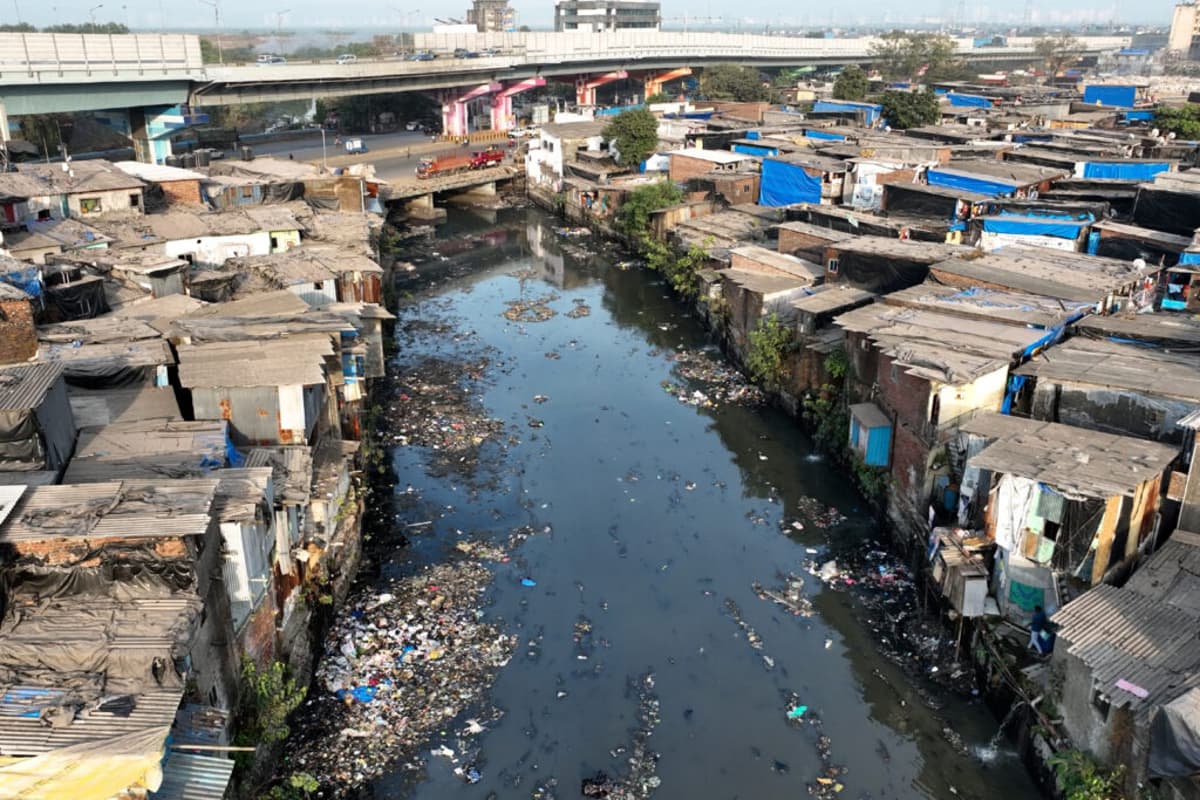
Plastic Waste Is Reshaping Flood Protection in Cities
Key Takeaways
- •Plastic debris clogs urban drainage, triggering sudden flood failures
- •River interception systems provide data to prioritize vulnerable infrastructure
- •Traditional flood models ignore solid waste, underestimating risk
- •Upstream waste management is a cost‑effective climate adaptation strategy
Pulse Analysis
The surge of plastic waste in rapidly urbanizing regions is reshaping how cities confront flood risk. While climate change intensifies rainfall and sea‑level rise, the accumulation of debris in drainage networks creates hidden choke points that traditional engineering never anticipated. Cities such as Manila, Jakarta, and Mumbai now see stormwater diverted into streets because culverts and pumping stations are blocked by plastic, turning moderate rains into catastrophic flooding events. This convergence of climate stressors and solid‑waste pollution demands a broader definition of infrastructure that includes the riverine pathways that feed urban systems.
Current flood‑risk models largely treat waterways as open channels, omitting the impact of solid waste on flow dynamics. As a result, planners underestimate the probability of blockage‑induced failures, leaving insurers and municipalities exposed to unexpected losses. River‑interception technologies—floating barriers, trash skimmers, and sensor‑enabled nets—are emerging as practical solutions. By capturing waste before it reaches drainage networks, these systems not only restore hydraulic capacity but also generate continuous data on waste volumes and movement patterns. That intelligence enables targeted upgrades, more accurate risk modeling, and proactive maintenance schedules, turning a reactive approach into a predictive one.
Policy makers and investors are beginning to recognize that upstream waste management is a cost‑effective climate‑adaptation lever. Funding river‑cleanup projects can reduce the need for expensive retrofits of hard infrastructure, while also delivering ancillary benefits such as improved water quality and ecosystem health. Insurers are incorporating waste‑interception metrics into underwriting criteria, rewarding cities that adopt integrated waste‑water strategies. As the evidence mounts, treating rivers and waste capture as essential components of resilient urban infrastructure will become a cornerstone of future climate‑risk mitigation plans.
Plastic waste is reshaping flood protection in cities
Comments
Want to join the conversation?