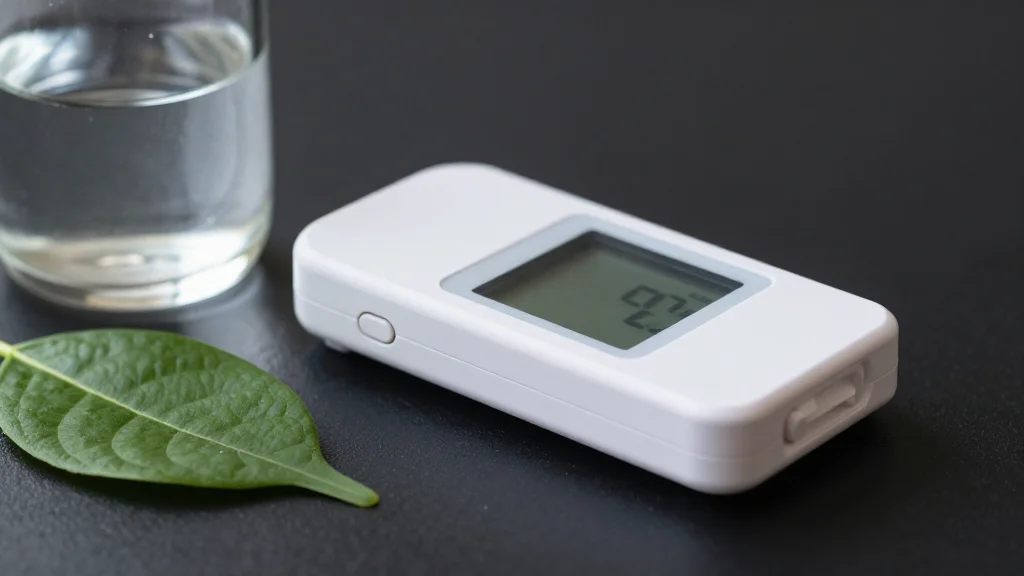
Pocket-Sized Device Rivals Bulky Lab Machinery in Disease and Environmental Testing
Why It Matters
By shrinking high‑accuracy spectrophotometry into a handheld form, POTA democratizes molecular testing, cutting costs and enabling real‑time decisions in healthcare and environmental monitoring.
Key Takeaways
- •POTA reduces spectrophotometer volume by 99% while retaining accuracy
- •Spatial filter uses tapered light guide to eliminate stray light
- •Device operates on battery or USB, fitting 80×80×40 mm
- •Enables on‑site protein, glucose, and cytokine testing in clinics and fields
- •Micronix’s commercial launch opens market for portable diagnostics
Pulse Analysis
The breakthrough behind POTA lies in its spatial filter, a tapered light‑guiding structure that mimics microscope pinholes to block oblique stray light. Traditional absorption spectrophotometers rely on bulky lasers and intricate optics to achieve high signal‑to‑noise ratios. By replacing those components with a simple LED, a color sensor, and the patented filter, the research team at Kumamoto University preserved analytical fidelity while slashing the instrument’s footprint by 99%. This engineering feat illustrates how clever optical design can replace costly hardware, a trend gaining traction across photonics.
Portability transforms how stakeholders monitor biological and chemical parameters. In smart agriculture, farmers can now assess nutrient levels or pesticide residues directly in the field, adjusting inputs instantly and reducing waste. Water utilities gain a rapid, on‑site tool for detecting contaminants, enabling faster response to pollution events. Clinicians in remote clinics can perform protein or cytokine assays without waiting for central lab results, improving patient triage and treatment. The battery‑powered, USB‑compatible form factor also lowers entry barriers for low‑resource settings, expanding the reach of precision diagnostics.
Micronix’s commercialization of POTA signals the emergence of a new market segment for handheld spectrophotometers. With regulatory pathways for medical devices already mapped, the company can leverage existing distribution channels in biotech, agritech, and environmental services. Competitors may accelerate their own miniaturization efforts, but POTA’s validated accuracy gives it a first‑mover advantage. As adoption scales, economies of scale could drive prices down further, prompting broader integration into IoT platforms and data‑driven decision systems. The device exemplifies how academic research, when paired with agile manufacturing, can rapidly translate into products that reshape industry standards.
Pocket-sized device rivals bulky lab machinery in disease and environmental testing
Comments
Want to join the conversation?
Loading comments...