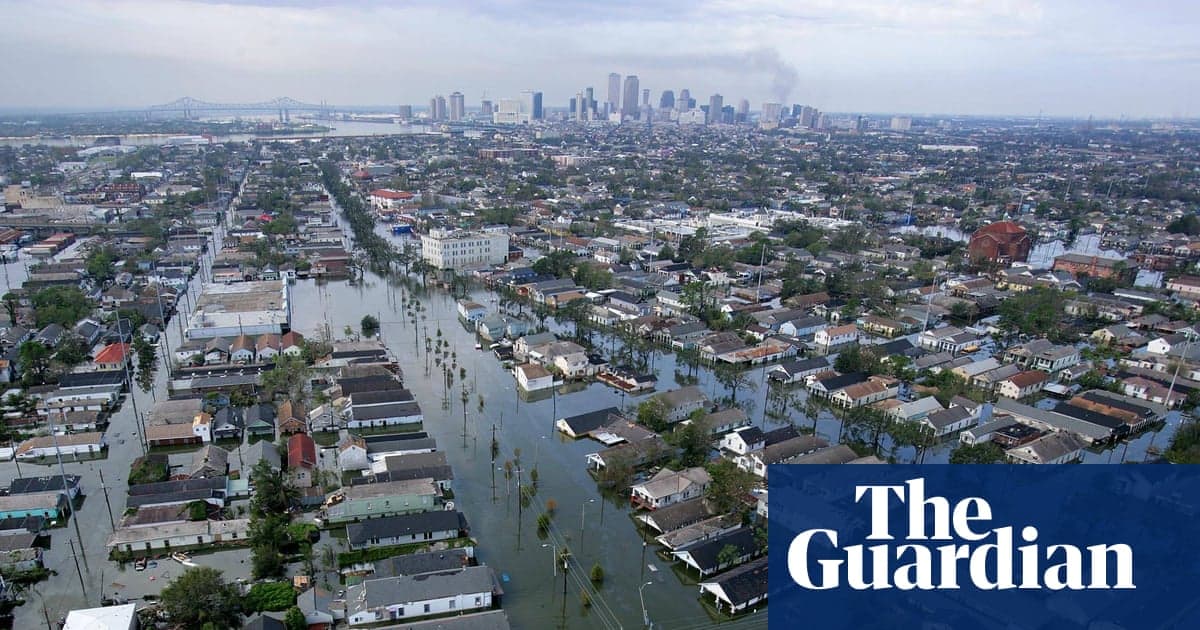
‘Point of No Return’: New Orleans Relocation Must Start Now Due to Sea Level, Study Finds
Why It Matters
The looming inundation threatens Louisiana’s economic hub, forces displacement of hundreds of thousands, and reshapes regional investment, insurance and infrastructure planning.
Key Takeaways
- •Study predicts 3‑7 m sea‑level rise, 100 km shoreline shift.
- •75% of coastal wetlands could disappear within 50 years.
- •Levee system deemed insufficient for long‑term protection.
- •$3 billion sediment diversion project canceled, reducing land‑building capacity.
- •Managed retreat for 360,000 residents urged to avoid chaotic exodus.
Pulse Analysis
The latest peer‑reviewed analysis underscores that New Orleans sits at the nexus of three accelerating forces: global sea‑level rise, subsidence from decades of oil‑and‑gas extraction, and rapid wetland loss. While 3‑7 metres of additional water by 2100 sounds abstract, the study translates that into a potential 100‑kilometre inland migration of the coastline, effectively turning the city into an island. This stark projection aligns with earlier climate‑model comparisons to the Pleistocene, reinforcing that the region is among the world’s most physically vulnerable coastal zones.
Policy makers now face a binary choice: pour ever‑greater funds into a levee network that can only delay the inevitable, or initiate a managed retreat that relocates communities, infrastructure and economic activity to safer ground. The abrupt termination of the $3 billion Mid‑Barataria sediment‑diversion scheme—intended to rebuild land using Mississippi River deposits—removes a critical natural defense, accelerating the timeline for relocation. Insurance markets are already reacting; premiums are rising and coverage gaps are widening, pressuring residents and businesses to consider voluntary migration before a forced exodus becomes chaotic.
New Orleans’ dilemma offers a cautionary template for other U.S. coastal cities confronting similar climate thresholds. Proactive planning—such as investing in resilient infrastructure north of Lake Pontchartrain, creating affordable housing in relocation zones, and securing federal disaster‑relief funding—can transform a looming crisis into an opportunity for sustainable growth. The broader lesson is clear: without decisive, politically courageous action, the economic and cultural loss will far exceed the cost of early, coordinated retreat.
‘Point of no return’: New Orleans relocation must start now due to sea level, study finds
Comments
Want to join the conversation?
Loading comments...