Pollution Persists in the Florida Everglades Despite 40-Year Restoration Effort, Report Says
Why It Matters
Failure to meet the WQBEL jeopardizes water quality for millions of Floridians and threatens the viability of the multi‑billion‑dollar Everglades restoration agenda, potentially prompting further litigation and federal intervention.
Key Takeaways
- •Five stormwater treatment areas fail to meet new phosphorus standard
- •Everglades restoration costs $27 billion, yet compliance remains elusive
- •Phosphorus levels rose in 2024‑2025 despite heavy rainfall
- •State lacks sufficient wetland acreage to treat 400,000 acres of sugarcane
- •Reservoir slated for 2029 may not offset current treatment shortfalls
Pulse Analysis
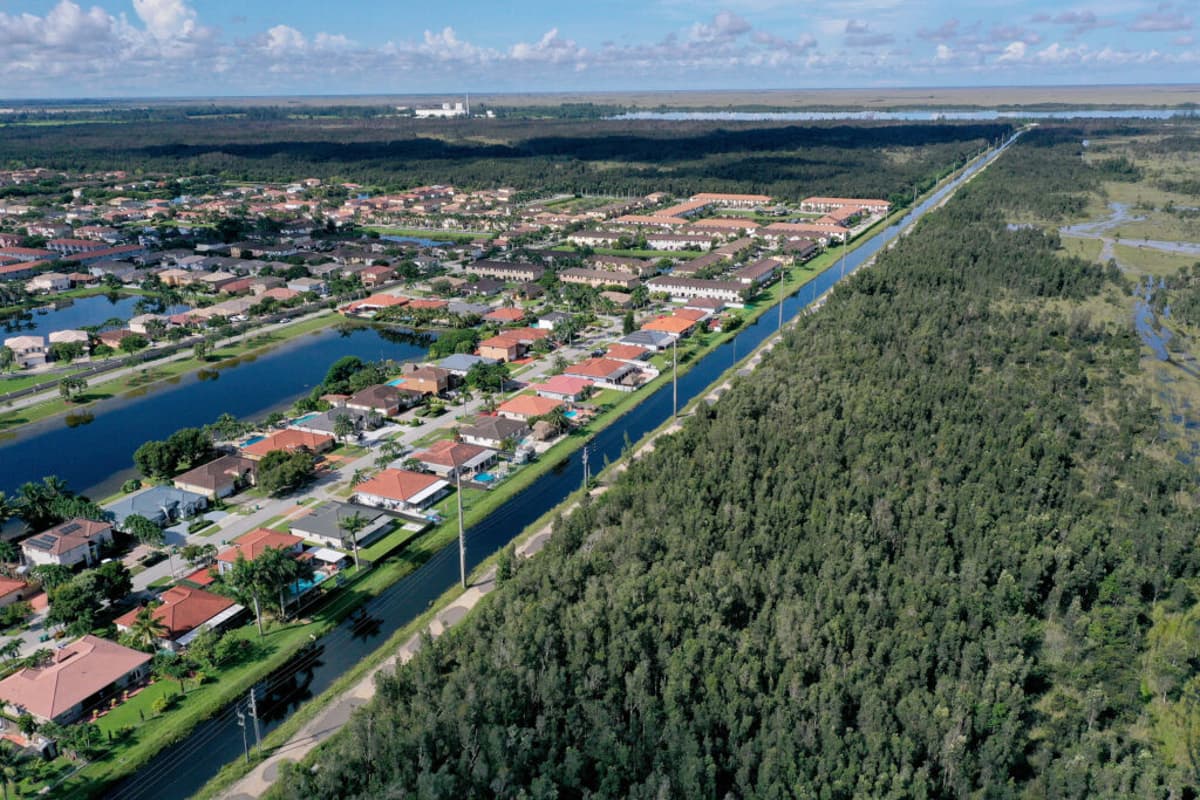
The Everglades, often called the "river of grass," has been the focus of the nation’s most ambitious ecosystem restoration project. Initiated by the 1994 Everglades Forever Act and expanded through the $27 billion, 40‑year effort, the plan hinges on engineered stormwater treatment areas that mimic natural wetlands to strip phosphorus from runoff originating on 60,000 acres of sugar farms. While these artificial wetlands have collectively treated roughly 9.4 trillion gallons of water and cut phosphorus loads by about 78%, the new WQBEL—set at 13 ppb for three out of five years—represents a far stricter benchmark.
The Friends of the Everglades analysis, based on five years of South Florida Water Management District data, reveals a troubling trend: phosphorus concentrations rose between water years 2024 and 2025, and only one of the five treatment areas briefly achieved the 13 ppb threshold. Heavy rain in June 2024, cited by the district as a factor, did not prevent the overall increase. Critics argue that the state’s wetland acreage is simply too limited to process runoff from the 400,000 acres of sugarcane that dominate the Everglades Agricultural Area. Without expanding treatment capacity or adopting more aggressive best‑management practices, the upcoming WQBEL deadline appears unattainable.
The implications extend beyond compliance metrics. Persistent nutrient pollution fuels toxic algal blooms that threaten drinking water supplies for millions and damage tourism‑driven economies. Governor Ron DeSantis has championed the $3.5 billion reservoir slated for 2029 as a "crown jewel" solution, yet the reservoir cannot fully compensate for inadequate treatment wetlands. Continued shortfalls may trigger renewed federal lawsuits, additional funding mandates, and a reassessment of Florida’s water‑policy priorities. Stakeholders—from agricultural interests to environmental advocates—must now confront the reality that billions have been spent, but the scale of the problem demands even larger, adaptive interventions to safeguard the Everglades for future generations.
Pollution Persists in the Florida Everglades Despite 40-Year Restoration Effort, Report Says
Comments
Want to join the conversation?
Loading comments...