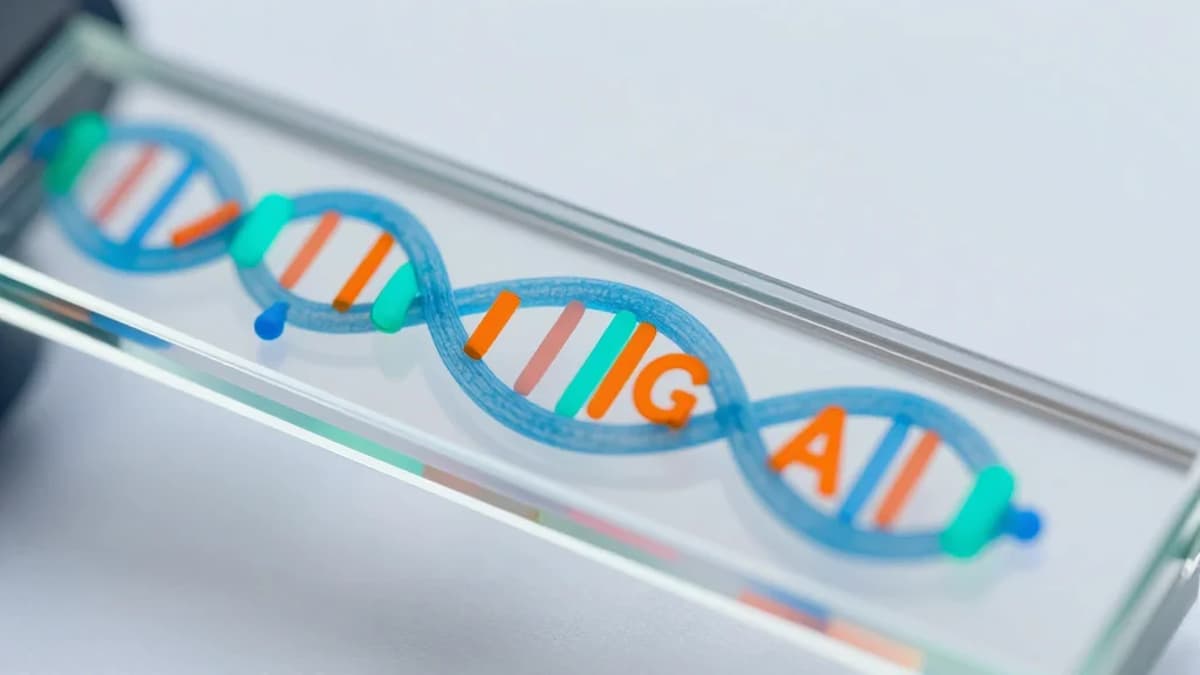
Pond-Dwelling Microalga Exposes a Parallel Track for RNA Processing
•March 5, 2026
0
Why It Matters
The existence of an alternative splicing system challenges fundamental assumptions about eukaryotic gene expression and opens new avenues for synthetic biology. Harnessing this mechanism could accelerate development of algae‑based bioproducts.
Key Takeaways
- •Euglena agilis splices >70% introns without GT-AG
- •New splicing code identified distinct sequence motifs
- •Dual RNA‑processing system unprecedented in eukaryotes
- •Findings could enable novel biotech applications
- •Company scaling algae for supplements, cosmetics, biofuel
Pulse Analysis
Traditional eukaryotic gene expression relies on a highly conserved GT‑AG splice site rule that directs the removal of introns during mRNA maturation. This canonical mechanism underpins countless cellular processes and has long been considered immutable across species. The discovery that Euglena agilis routinely discards that rule forces a reevaluation of how flexible splicing machinery can be, suggesting that alternative code pathways may exist in other, yet‑unexplored organisms.
The RIKEN team employed a clever cross‑species assay, inserting both native and synthetic introns from E. agilis into a related Euglena strain. Successful protein production indicated that the alga’s spliceosome recognized a novel set of sequence cues, effectively establishing a second “cut‑here” code. By mapping these cues, researchers uncovered a distinct motif architecture that operates independently of GT‑AG, providing a rare glimpse into evolutionary divergence of RNA processing. This parallel system not only expands fundamental biology but also offers a new template for engineering custom splicing in synthetic genomes.
From an industry perspective, the ability to program non‑canonical splicing opens doors for precision bio‑manufacturing. The spin‑out company cultivating E. agilis aims to leverage its unique genetics to produce high‑value compounds for nutrition, cosmetics, and biofuel sectors. Tailoring the alternative splicing code could streamline metabolic pathway optimization, reduce production costs, and accelerate time‑to‑market for algae‑derived products. As the biotech community explores this unconventional mechanism, it may catalyze a wave of innovative applications that redefine the commercial potential of microalgae.
Pond-dwelling microalga exposes a parallel track for RNA processing
0
Comments
Want to join the conversation?
Loading comments...