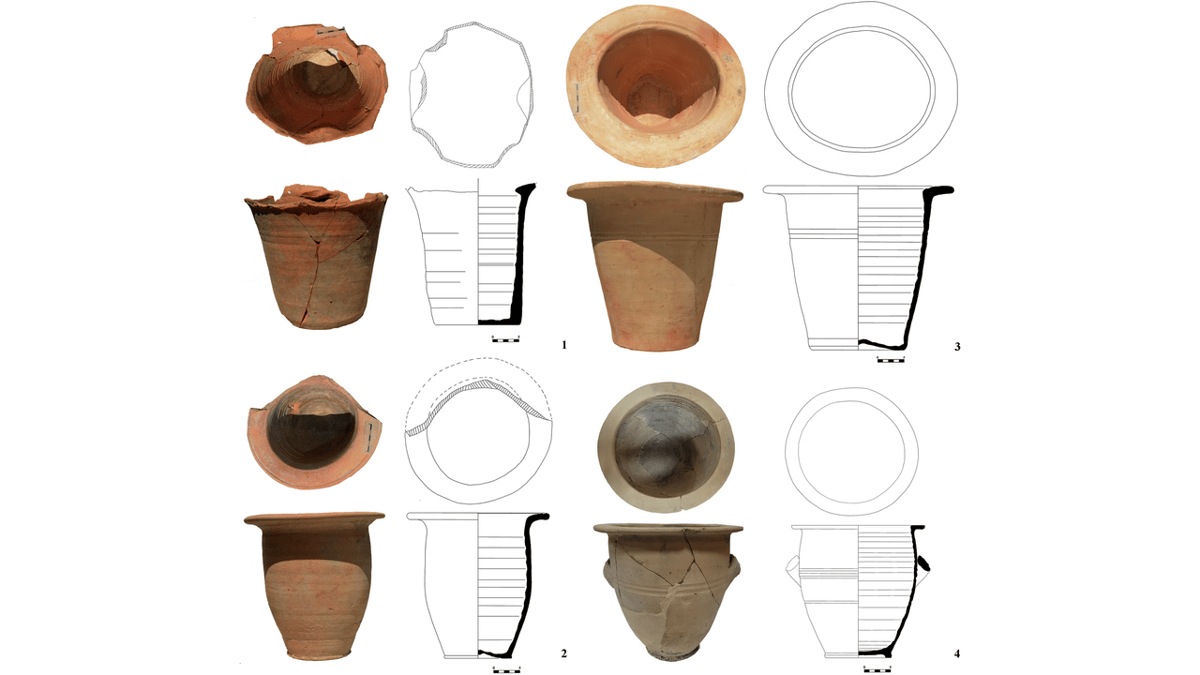
Poop-Encrusted Chamber Pots From the Roman Empire Reveal Oldest Known Human Cases of Crypto Parasite
Why It Matters
The find reshapes our timeline for Crypto’s emergence, highlighting ancient water‑borne disease risks in the Roman Empire and informing modern epidemiology of zoonotic parasites. It also underscores the value of bio‑archaeological analysis for reconstructing public‑health conditions in historic societies.
Key Takeaways
- •First evidence of *Cryptosporidium* infection in ancient humans
- •ELISA testing identified three gut pathogens in Roman chamber pots
- •Findings suggest water contamination spread Crypto among frontier soldiers
- •Earlier Crypto traces in Mexico and goat hint at European origin debate
- •Ancient diarrheal disease likely drove nighttime use of private chamber pots
Pulse Analysis
The identification of *Cryptosporidium* in first‑century Roman chamber pots pushes back the known human timeline for this zoonotic parasite by more than a millennium. While Crypto was first recognized in modern medicine in 1976, its presence in Bulgaria’s Danube frontier demonstrates that ancient populations were already grappling with water‑borne protozoan infections. This breakthrough joins a growing body of paleoparasitology research that uses preserved fecal material to map disease patterns across centuries, offering a rare glimpse into the microbial landscape that shaped daily life in the Roman world.
Researchers applied ELISA, a sensitive immunoassay, to the encrusted residues, detecting *Cryptosporidium parvum*, *Entamoeba histolytica* and *Taenia* tapeworm. The trio of gut pathogens points to a community plagued by severe gastrointestinal distress, likely exacerbated by reliance on contaminated aqueduct water. Such infections would have forced afflicted soldiers and civilians to use private chamber pots at night, bypassing the more sanitary public latrines and baths that operated during daylight. The findings illuminate how infrastructure, sanitation practices, and military logistics intersected with health outcomes on the empire’s volatile frontiers.
Beyond its archaeological intrigue, the study fuels the debate over Crypto’s geographic origins. Earlier detections in a 5,000‑year‑old Mediterranean goat and medieval Mexican coprolites have sparked competing theories about whether the parasite emerged in Europe or the Americas. The Bulgarian evidence supports a European foothold, suggesting that domesticated livestock may have acted as early reservoirs before zoonotic spillover to humans. Understanding this ancient transmission pathway enriches modern epidemiological models of Crypto’s spread and highlights the importance of integrating archaeological data into contemporary public‑health research.
Poop-encrusted chamber pots from the Roman Empire reveal oldest known human cases of Crypto parasite
Comments
Want to join the conversation?
Loading comments...