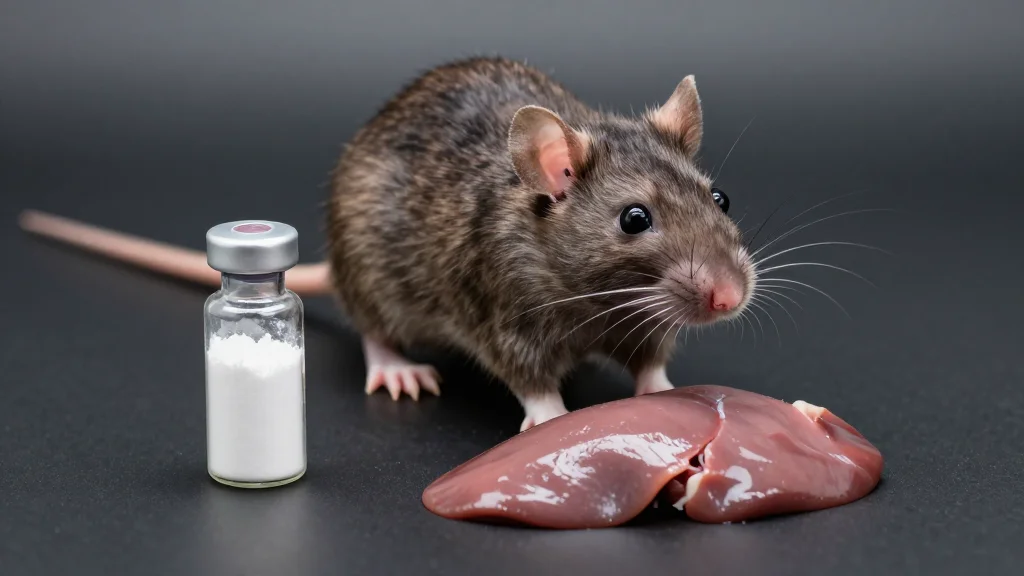
Potential Cocaine Addiction Targets Identified Through Genetic Mapping in Rats
Why It Matters
The discovery shifts addiction research from a solely brain‑focused view to metabolic pathways, opening novel drug targets and personalized risk‑assessment tools for cocaine addiction.
Key Takeaways
- •GWAS in 900 rats uncovers six addiction‑related loci
- •Liver enzyme CES1 variants affect cocaine metabolism and compulsive use
- •Human TRak2 gene association replicated in rat model
- •Targeting carboxylesterases offers novel therapeutic strategy
- •Biobank samples enable future biomarker and functional studies
Pulse Analysis
Addiction genetics has long been dominated by brain‑centric studies, yet the heritability of cocaine use disorder remains only partially explained. By leveraging the heterogeneous stock rat model—mirroring human genetic diversity—researchers performed a high‑resolution GWAS that pinpointed six genomic regions influencing cocaine self‑administration. This approach not only confirms the polygenic nature of the disorder but also provides a robust preclinical platform for dissecting complex behavioral phenotypes.
The standout finding is the identification of a cluster of carboxylesterase genes, orthologous to human CES1, that govern cocaine metabolism in the liver. Variants in these genes correlated with higher intake and compulsive‑like behavior, suggesting that metabolic processing can modulate the drug's reinforcing effects. This challenges the prevailing notion that addiction resides exclusively in neural circuits and positions hepatic enzymes as viable pharmacological targets. Drug developers can now explore CES1 inhibitors or modulators to attenuate cocaine’s psychoactive impact, potentially reducing relapse rates and enhancing treatment efficacy.
Beyond the immediate therapeutic implications, the study bridges animal and human genetics by replicating the TRak2 locus, a known human risk gene. Coupled with the extensive preclinical biobank of tissue samples, the research sets the stage for biomarker discovery and functional validation of candidate genes. For biotech investors and pharmaceutical pipelines, these insights signal a fresh avenue for precision‑medicine strategies aimed at substance‑use disorders, aligning scientific innovation with a pressing public‑health need.
Potential Cocaine Addiction Targets Identified Through Genetic Mapping in Rats
Comments
Want to join the conversation?
Loading comments...