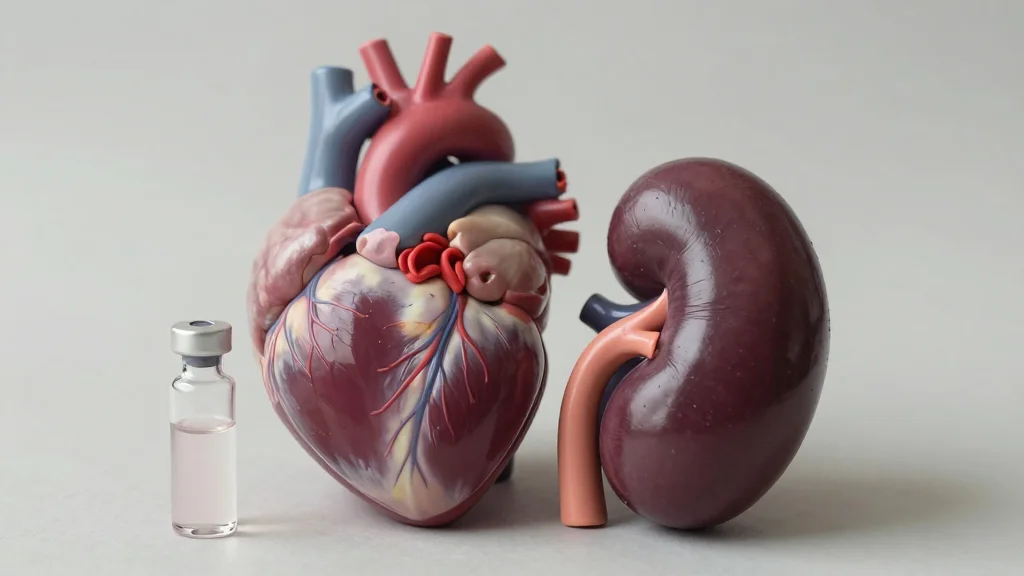
Predictive Value of Combined Lipoprotein(a) and Hs-CRP for Contrast-Induced Acute Kidney Injury After PCI in Elderly Patients With Acute Coronary Syndrome
Why It Matters
Accurate early identification of patients at high risk for CI‑AKI enables targeted hydration and medication strategies, potentially reducing renal complications and associated costs in a vulnerable elderly population.
Key Takeaways
- •Study of 1,321 patients aged 60+ undergoing PCI.
- •hs‑CRP and Lp(a) independently predict contrast‑induced AKI.
- •Combined model reaches AUC 0.857, outperforming single biomarkers.
- •Sensitivity 70.2% and specificity 77.2% for AKI prediction.
- •Nomogram provides pre‑procedural risk stratification for elderly ACS.
Pulse Analysis
Contrast‑induced acute kidney injury remains a leading complication of percutaneous coronary intervention, especially among older adults whose renal reserve is limited. While advances in low‑osmolar contrast agents and hydration protocols have lowered overall incidence, the procedural necessity of iodinated contrast still poses a significant threat. Clinicians therefore rely on risk scores that incorporate demographic and clinical variables, yet many existing models lack the granularity needed to flag high‑risk patients before the procedure begins.
The new study leverages two inflammatory and atherogenic biomarkers—high‑sensitivity C‑reactive protein and lipoprotein(a)—to sharpen predictive accuracy. By applying LASSO regression and multivariable logistic modeling to a cohort of 1,321 elderly ACS patients, researchers demonstrated that the combined hs‑CRP + Lp(a) model achieved an AUC of 0.857, with 70.2% sensitivity and 77.2% specificity. This performance surpasses the predictive power of each marker alone and rivals more complex clinical scores, suggesting that a simple blood panel could serve as a frontline screening tool.
If integrated into routine pre‑procedural workflows, the nomogram derived from this model could guide personalized preventive measures such as intensified hydration, avoidance of nephrotoxic drugs, or alternative imaging strategies. Early risk stratification not only improves patient outcomes but also curtails the downstream costs of dialysis and prolonged hospital stays. Future research should validate the model across diverse populations and explore whether adding novel renal biomarkers further refines risk discrimination, paving the way for a new standard in PCI safety for the aging population.
Predictive Value of Combined Lipoprotein(a) and hs-CRP for Contrast-Induced Acute Kidney Injury After PCI in Elderly Patients With Acute Coronary Syndrome
Comments
Want to join the conversation?
Loading comments...