Pregnancy and Heat in Pakistan: Researchers Seek to Fill Dangerous Knowledge Gaps
Why It Matters
Without local evidence, heat‑related maternal risks remain invisible to policymakers, perpetuating preventable deaths in low‑income settings.
Key Takeaways
- •Heat exposure linked to 9‑13% low birth weight cases
- •Pakistan lacks heat‑specific guidelines for pregnant women
- •Low‑tech cooling reduced indoor temps by 3‑4°C
- •Study targets 6,000 pregnant participants by year‑end
Pulse Analysis
Extreme heat is emerging as a silent driver of maternal and neonatal outcomes in South Asia, yet most climate‑health research focuses on high‑income contexts. Pakistan’s scorching temperatures, frequent power outages, and limited healthcare access create a perfect storm for pregnant women, whose physiological vulnerability amplifies risks of preterm birth, low birth weight, and gestational complications. By gathering biomarker data from thousands of expectant mothers, the Karachi study fills a crucial evidence void, enabling scientists to trace causal pathways and quantify the climate burden on reproductive health.
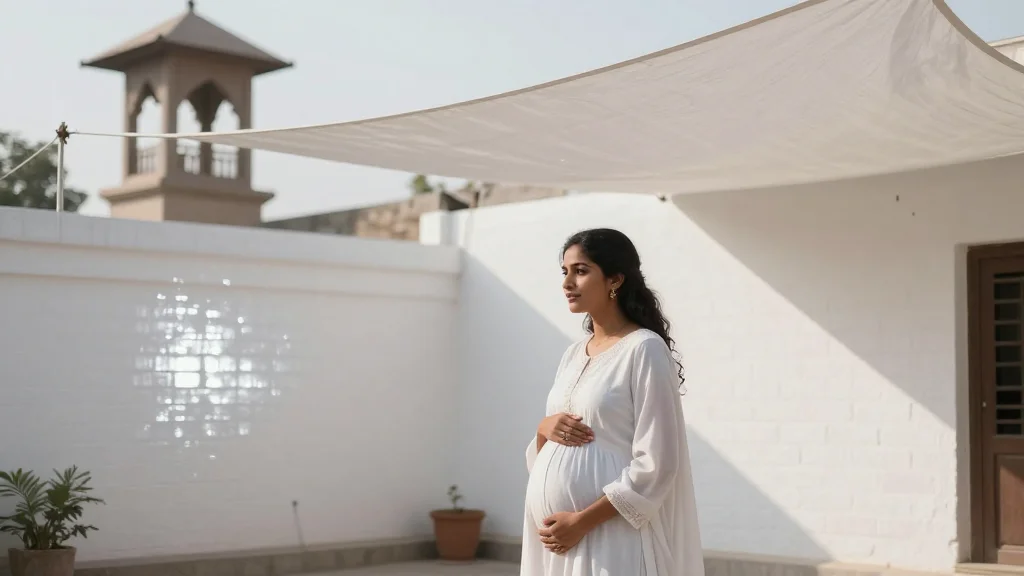
The initiative also demonstrates how pragmatic, low‑tech adaptations can mitigate heat stress where electricity and infrastructure are unreliable. Canvas canopies, wind‑catcher ducts, and reflective paints have already lowered indoor temperatures by up to four degrees Celsius, offering immediate relief to families in dense, poorly ventilated neighborhoods. These interventions respect cultural norms—providing shaded outdoor spaces compatible with purdah—while leveraging locally available materials, making them scalable across similar low‑resource urban settings.
Policymakers can now base heat‑action plans on concrete data rather than assumptions. Incorporating pregnant women into heatwave SOPs, establishing community health worker outreach, and prioritising affordable cooling solutions could dramatically reduce preventable maternal and infant deaths. As climate models predict more frequent and intense heatwaves, the Karachi research serves as a template for other low‑ and middle‑income countries seeking to protect their most vulnerable populations from the growing climate threat.
Pregnancy and heat in Pakistan: Researchers seek to fill dangerous knowledge gaps
Comments
Want to join the conversation?
Loading comments...