Protecting Flowering Plants Is Crucial to Our Future
Why It Matters
Flowering plants sustain pollinators, food production, and carbon sequestration, so their decline threatens food security and climate mitigation worldwide.
Key Takeaways
- •Flowers sparked a 130‑million‑year biodiversity explosion.
- •Genetic flexibility lets flowering plants adapt to new environments.
- •Monoculture agriculture erodes plant genetic diversity.
- •Planting native species bolsters ecosystem resilience to climate change.
Pulse Analysis
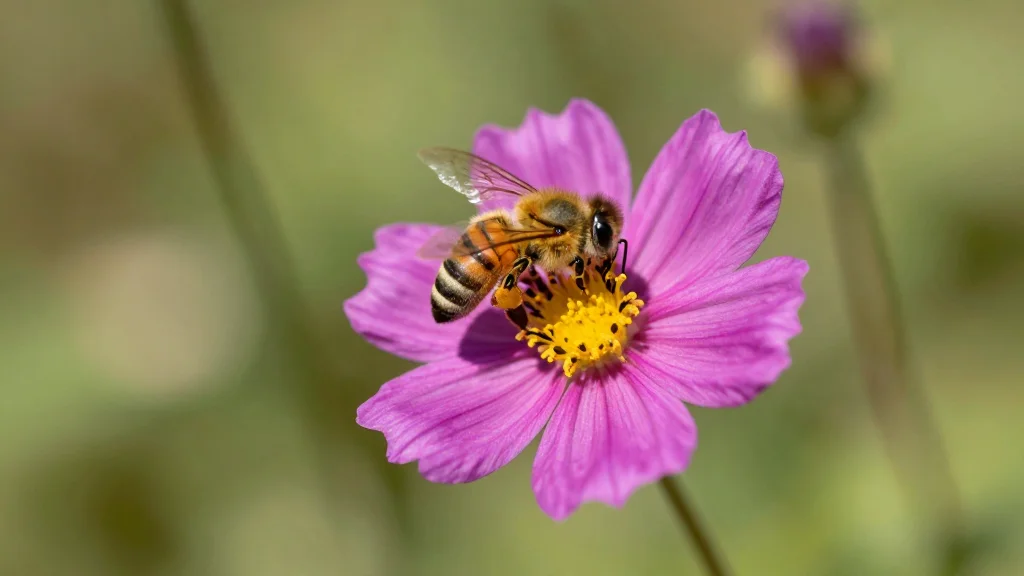
The rise of angiosperms—commonly called flowering plants—revolutionized life on Earth. By offering vivid colors, scents, and nutrient‑rich rewards, they transformed insects from herbivorous pests into cooperative pollinators, catalyzing an explosion of animal diversity. This mutualism amplified ecosystem productivity, creating the complex forests, grasslands, and agricultural systems that support billions of people today. Scholars now recognize that the evolutionary success of flowers rests on their genetic plasticity, which allowed rapid adaptation to shifting climates and new geographic niches over the past 130 million years.
Today, that same adaptability is being tested. Climate change, habitat fragmentation, and the expansion of corn‑soy monocultures are compressing the genetic pool of flowering plants, accelerating what scientists label the sixth mass extinction. Reduced genetic diversity limits a species’ ability to withstand pests, drought, and temperature extremes, jeopardizing the pollination services essential for fruit, nut, and vegetable crops. The loss ripples through food webs, undermining wildlife that depends on diverse flora for shelter and nourishment, and weakening carbon‑storage capacities of natural ecosystems.
Addressing the crisis requires coordinated policy and on‑the‑ground action. Shifting agricultural subsidies toward diversified cropping systems can restore genetic variation while improving soil health and reducing fertilizer runoff. Urban planners and land trusts should prioritize native species in green spaces, fostering resilient pollinator habitats and enhancing community well‑being. By investing in floral diversity, governments and businesses not only safeguard biodiversity but also secure long‑term food security and climate resilience, turning the ancient power of flowers into a modern asset for sustainable development.
Protecting Flowering Plants Is Crucial to Our Future
Comments
Want to join the conversation?
Loading comments...