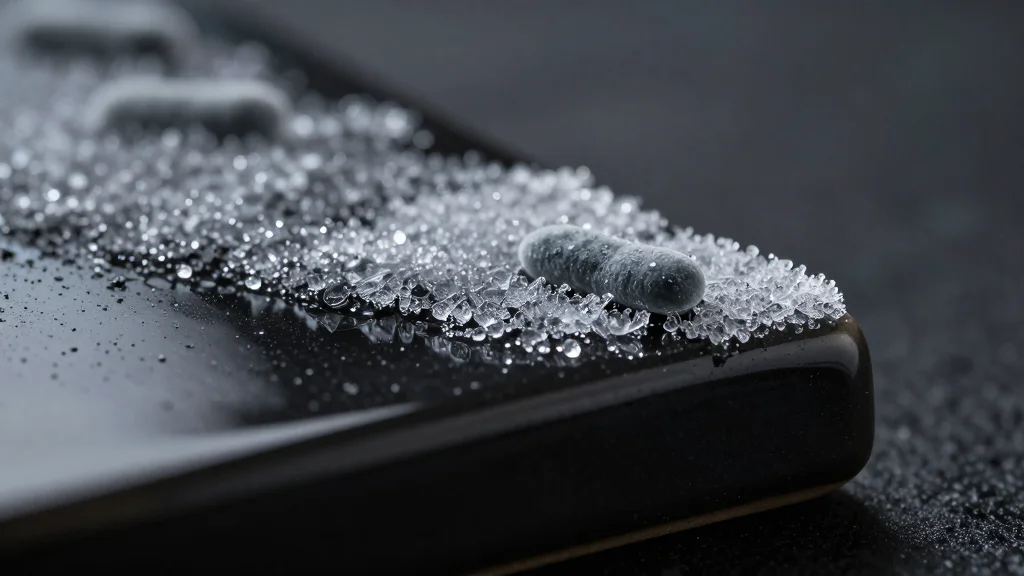
Proteins that Create Ice Inspire 'Cool' Applications, From Cryomedicine to Artificial Snow
Why It Matters
The ability of INPs to bind directly to engineered materials eliminates complex surface‑modification steps, lowering costs and speeding adoption of bio‑inspired ice‑control solutions across climate, transportation, and medical sectors.
Key Takeaways
- •Pseudomonas syringae INPs trigger ice formation at unusually high temperatures
- •INPs bind uniformly to hydrophilic and hydrophobic artificial surfaces
- •Proteins form a single‑molecule layer that seeds ice growth
- •Truncated INPs perform well, easing large‑scale production
- •Applications include de‑icing, artificial snow, and cryopreservation
Pulse Analysis
Ice‑nucleating proteins have long fascinated scientists because they can initiate crystallization at temperatures well above the usual freezing point. In nature, Pseudomonas syringae exploits these proteins to catalyze frost formation on plant leaves, a strategy that can even influence regional precipitation patterns. By mimicking this biological shortcut, engineers hope to gain precise control over ice formation, a capability that could transform sectors ranging from aviation to renewable energy where ice buildup remains a costly challenge.
The recent Biointerphases study reveals that INPs do not discriminate between organic cell membranes and synthetic substrates. Using photoelectron spectroscopy, the researchers observed a monolayer of proteins aligning with their ice‑active face outward, regardless of surface chemistry. This uniform attachment sidesteps the need for elaborate functionalization chemistries that typically plague protein‑based coatings. Moreover, the truncated protein variant—easier to produce and purify—maintained the same structural ordering, suggesting that commercial‑scale manufacturing may be feasible without sacrificing performance.
Industry implications are immediate. De‑icing sprays or coatings infused with INPs could coat aircraft wings, wind‑turbine blades, or power‑line insulators, reducing reliance on environmentally harmful chemicals. In the tourism and sports markets, engineered INPs could seed artificial snow more efficiently, lowering water and energy consumption. Medical cryopreservation could also benefit, as controlled ice nucleation improves cell viability during freezing. While regulatory hurdles and long‑term stability remain open questions, the study provides a clear blueprint for translating a microbial survival tactic into a suite of high‑value, climate‑resilient technologies.
Proteins that create ice inspire 'cool' applications, from cryomedicine to artificial snow
Comments
Want to join the conversation?
Loading comments...