Psychedelic Users Process Emotional Expressions Differently than Nonusers
Why It Matters
If naturalistic psychedelic use enhances threat‑detection efficiency, it could shape new therapeutic strategies for anxiety and mood disorders, while underscoring the need for longitudinal research on long‑term brain effects.
Key Takeaways
- •Psychedelic users recognized angry faces faster than non‑users.
- •Lower insula and SMA activation observed during threat processing.
- •Happy‑face viewing triggered increased sensorimotor brain activity in users.
- •Default‑mode network responses were flatter across emotional categories.
- •Study design limits causal conclusions; longitudinal work needed.
Pulse Analysis
The surge in psychedelic research has largely focused on controlled clinical trials, where dosing, setting, and therapeutic support are tightly regulated. Yet the majority of psychedelic consumption occurs outside laboratories, raising questions about whether the emotional benefits observed in clinics translate to real‑world use. This study bridges that gap by recruiting seasoned users who have taken psychedelics at least ten times, matching them with non‑users on demographics and lifestyle factors, and probing their brain responses to rapid facial‑expression tasks.
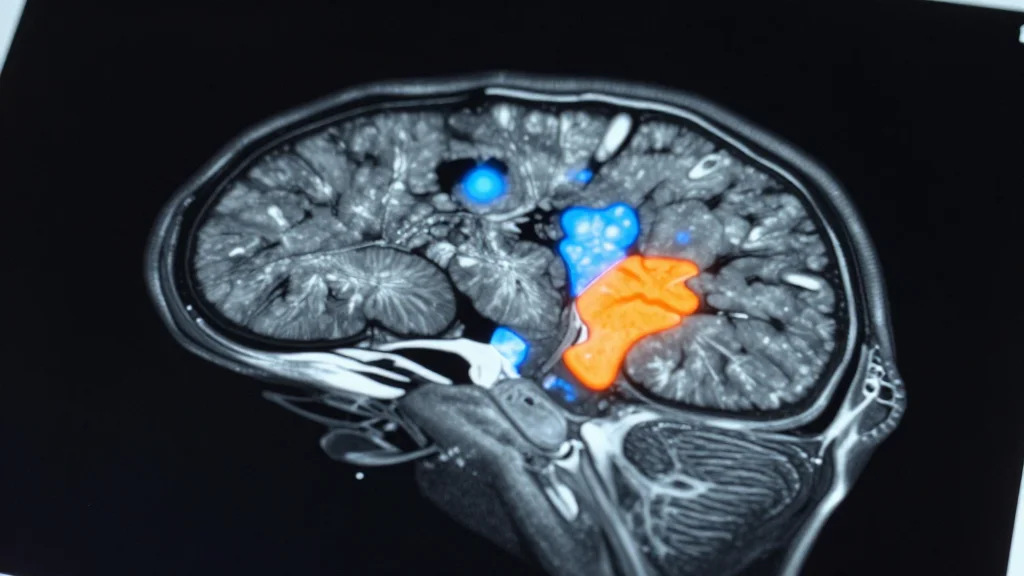
Behaviorally, the user group outperformed non‑users in recognizing angry faces, reacting both quicker and more accurately. Functional MRI revealed that this advantage coincided with muted activity in the insula and supplementary motor area—regions typically engaged during threat detection—suggesting a more efficient, less reactive processing pathway. Conversely, when viewing happy faces, users showed amplified activation in sensorimotor and parietal cortices, aligning with reports of heightened positive affect after psychedelic experiences. Across the default‑mode network, users displayed a uniformly flatter activation pattern, which researchers link to a relaxation of rigid predictive models that normally filter sensory input.
These findings hint at a neurocognitive profile where naturalistic psychedelic use may fine‑tune emotional reactivity, potentially offering a novel angle for treating anxiety or depressive disorders. However, the cross‑sectional design cannot confirm causality, and self‑selection bias may mean that inherently efficient processors are drawn to psychedelics. Future longitudinal studies that track individuals before, during, and after sustained use will be essential to disentangle drug effects from pre‑existing traits, informing both public health policy and the emerging psychedelic‑based therapeutic market.
Psychedelic users process emotional expressions differently than nonusers
Comments
Want to join the conversation?
Loading comments...