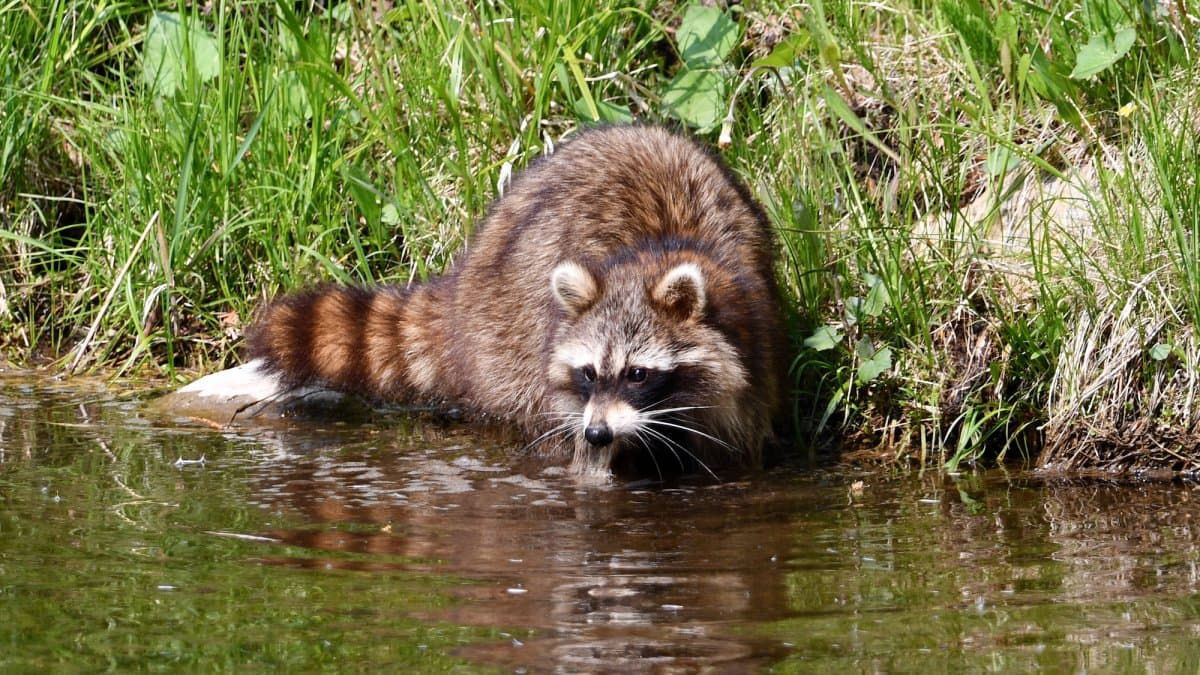
Raccoons Might Be Spreading Diarrhea-Causing Bacteria in Japan
Why It Matters
The study reveals a wildlife‑driven route for a serious food‑borne pathogen, highlighting a hidden public‑health threat that could complicate outbreak tracing and response in densely populated Japan.
Key Takeaways
- •77% of river samples tested positive for E. albertii
- •56% of surveyed raccoons carried the bacterium
- •Positive water samples found only in warm seasons
- •Upstream contamination indicates wildlife source
- •One Health strategy urged for integrated monitoring
Pulse Analysis
Raccoons, originally native to North America, have become an increasingly common sight in Japan’s urban and rural landscapes. Their adaptability brings them into close contact with humans, livestock, and natural watercourses, creating pathways for pathogen transmission. The recent discovery that these animals harbor Escherichia albertii—a diarrheal bacterium linked to severe food‑borne outbreaks—adds a new dimension to Japan’s zoonotic risk profile. Understanding how wildlife reservoirs contribute to bacterial spread is essential for safeguarding food safety and public health in densely populated regions.
A team from Osaka Metropolitan University sampled six of eight rivers in Osaka Prefecture and 122 wild raccoons. They detected E. albertii in 77 % of water samples collected during late spring through fall, while winter samples were negative, mirroring a seasonal dip in infected raccoon numbers. Upstream sites, far from residential zones, also tested positive, reinforcing the hypothesis that the animals, not human activity, seed the waterways. Genomic analysis showed the same strains in raccoons, river water, and human patients, indicating an entrenched environmental reservoir that can trigger repeated outbreaks.
The findings prompt a shift toward a “One Health” framework that integrates wildlife surveillance, agricultural practices, and water quality monitoring. Japanese authorities may need to expand testing beyond human cases to include raccoon populations and river systems, especially during warm months when bacterial loads peak. Such coordinated efforts could inform targeted interventions—like habitat management or vaccination research—to curb pathogen spillover. Moreover, the study serves as a warning for other regions where invasive omnivores intersect with food production, highlighting the broader relevance of ecosystem‑based disease control.
Raccoons might be spreading diarrhea-causing bacteria in Japan
Comments
Want to join the conversation?
Loading comments...