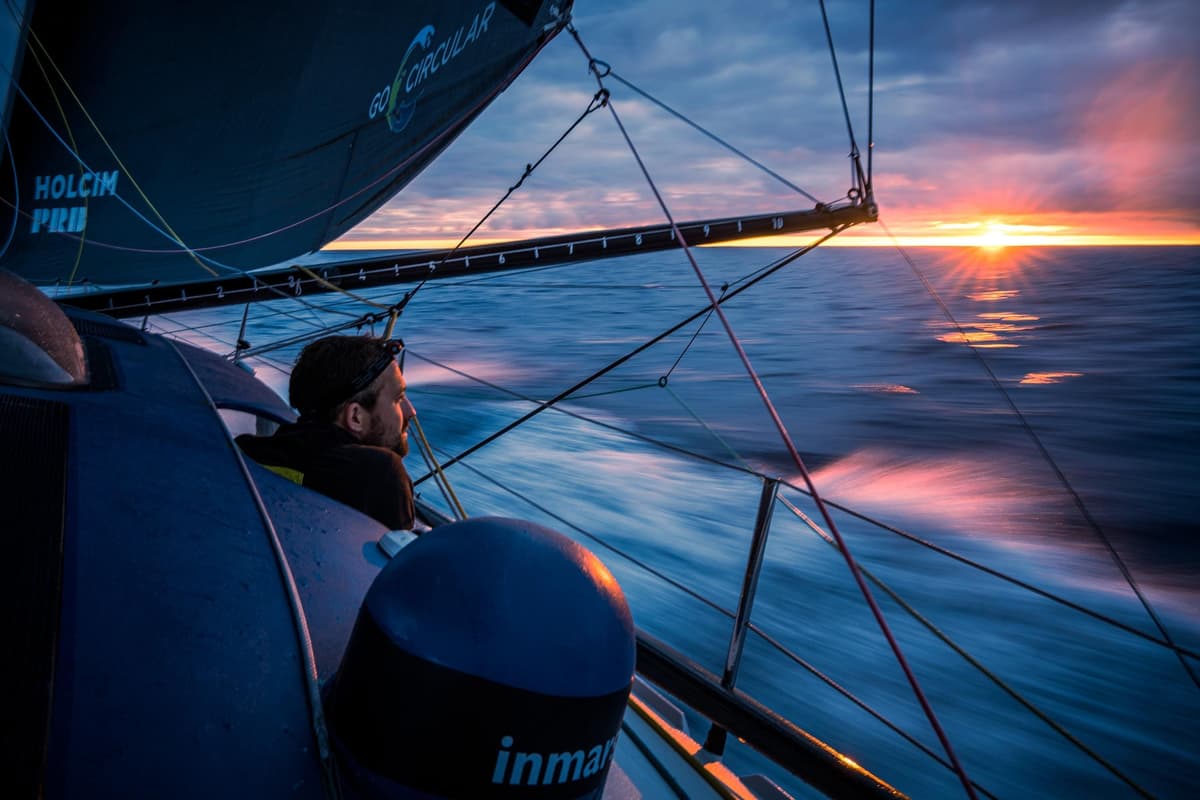
Racing Yachts Double As Floating Labs For Ocean Research
Companies Mentioned
Why It Matters
By leveraging the global reach and speed of racing yachts, the program delivers near‑real‑time biodiversity data from remote ocean regions, filling critical gaps in climate‑impact models. This accelerates conservation decisions and demonstrates that high‑performance sport can drive environmental science.
Key Takeaways
- •Racing yachts now carry eDNA kits for ocean biodiversity sampling.
- •Vendée Globe Foundation funds expanding yacht-based eDNA program.
- •2024 Vendée Globe yielded ~4,000 taxa from water samples.
- •Data feeds GBIF, aiding IUCN Red List assessments.
- •Sailors prove science collection doesn’t hinder race performance.
Pulse Analysis
The ocean’s vastness has long outpaced scientific observation, leaving large swaths of marine biodiversity undocumented. Environmental DNA technology, which reads genetic traces from a single drop of seawater, offers a shortcut to species identification, but its potential hinges on widespread, repeatable sampling. Racing yachts—already charting remote routes at high speed—present an untapped platform for continuous data collection, turning sport into a moving laboratory without the logistical constraints of traditional research vessels.
In recent years, the Citizens of the Sea initiative equipped IMOCA‑class and other endurance boats with lightweight eDNA kits, supported by the Vendée Globe Foundation, Illumina’s sequencing capacity, and the Minderoo Foundation’s visualization tools. During the 2024 Vendée Globe, skipper Fabrice Amedeo gathered samples over 114 days, generating millions of DNA reads and revealing roughly 4,000 taxa, many of which lack formal classification. The data have been uploaded to the Global Biodiversity Information Facility, enriching the IUCN Red List and enabling real‑time dashboards that translate complex genomics into public‑friendly insights.
The success of these pilots reshapes how the marine science community approaches ocean monitoring. With thousands of competitive and recreational yachts cruising worldwide, scaling the eDNA network could deliver near‑real‑time biodiversity maps, inform climate‑impact models, and guide policy interventions before species disappear. Moreover, the model proves that high‑performance sailing and rigorous science are not mutually exclusive, encouraging sponsors, shipbuilders, and regulators to invest in eco‑focused technologies that boost both performance and planetary stewardship.
Racing Yachts Double As Floating Labs For Ocean Research
Comments
Want to join the conversation?
Loading comments...