Rare New Zealand Penguins Are Three Distinct Subspecies, New Study Shows
Why It Matters
Recognizing three subspecies enables targeted conservation actions for the critically endangered northern lineage and provides genetic insight into disease susceptibility, safeguarding a culturally treasured species and its tourism value.
Key Takeaways
- •Three genetically distinct yellow‑eyed penguin subspecies identified
- •Northern subspecies holds under 115 breeding pairs, highly vulnerable
- •Genomic data links immune genes to respiratory distress syndrome
- •Māori partnership guides culturally respectful subspecies naming
- •Conservation plans must treat each subspecies separately
Pulse Analysis
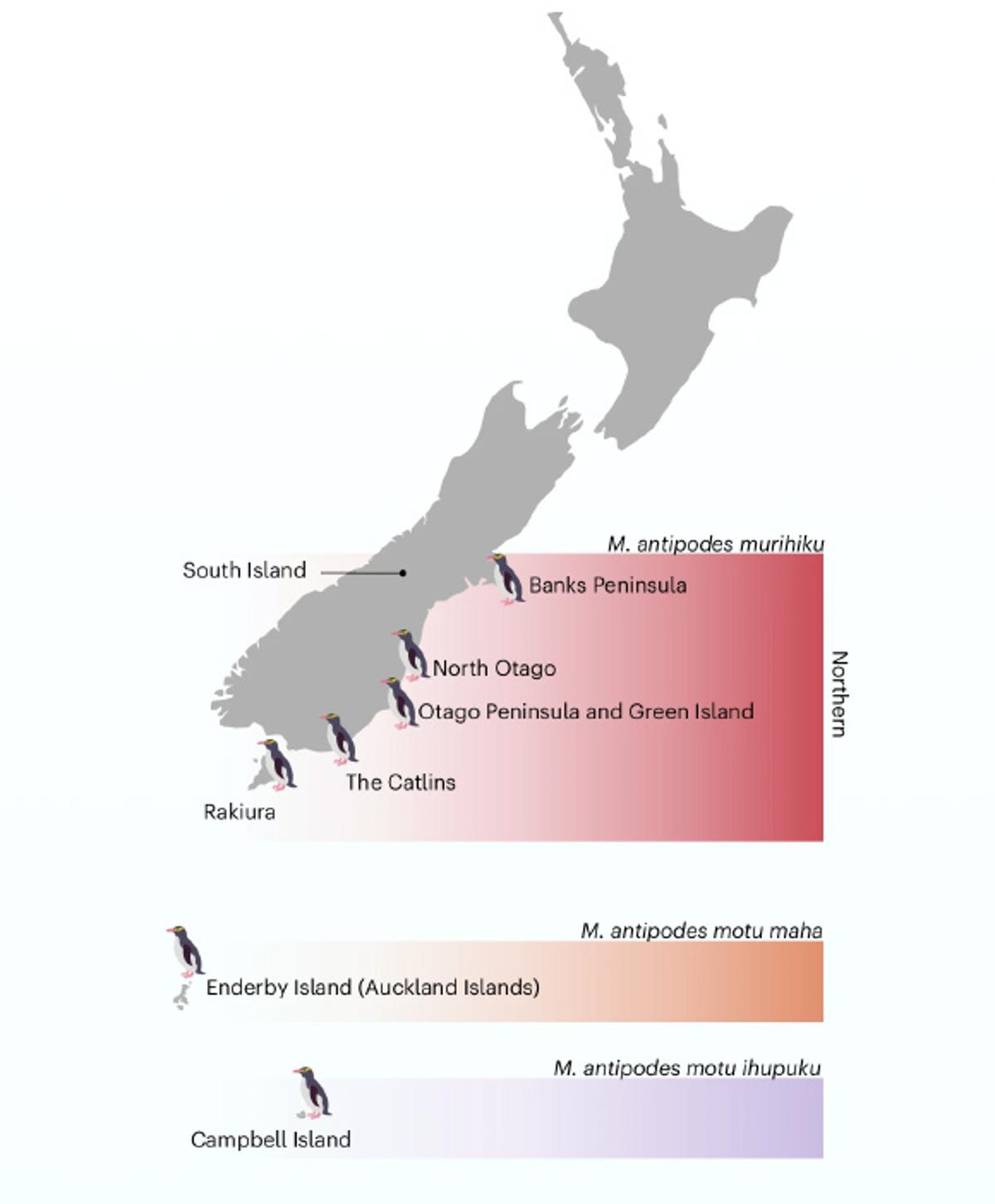
The yellow‑eyed penguin, or hoiho, has long been a symbol of New Zealand’s unique biodiversity, yet scientists traditionally grouped its populations into a single species with two broad regions. The recent population‑genomics study overturns that view, revealing three evolutionarily isolated lineages that diverged thousands of years before human settlement. By sequencing 249 individuals across the mainland, Enderby and Campbell islands, researchers uncovered stark genetic breaks and identified candidate immune‑function genes that may explain why the mainland chicks are succumbing to respiratory distress syndrome.
These findings carry weight beyond academic curiosity. The northern subspecies, now formally named *Megadyptes antipodes murihiku*, is teetering on the brink with fewer than 115 breeding pairs, making it one of the world’s rarest penguin groups. The genetic distinction justifies separate recovery plans, allowing managers to allocate resources, monitor disease dynamics, and potentially develop targeted health interventions. Moreover, the collaboration with Ngāi Tahu embeds Māori cultural values into scientific practice, ensuring that naming and conservation strategies respect the iwi’s kaitiaki role and the species’ status as taonga.
From a broader perspective, the study exemplifies how whole‑genome data can illuminate hidden biodiversity and inform species‑specific management, a model increasingly relevant as climate change and emerging pathogens threaten wildlife globally. For New Zealand’s tourism sector, preserving distinct penguin lineages safeguards a key attraction that draws visitors to remote coastal habitats. Policymakers and conservation NGOs can now leverage this genomic insight to design island‑specific biosecurity measures, habitat restoration, and community‑led monitoring, setting a precedent for integrating genetics, indigenous partnership, and economic considerations in conservation planning.
Rare New Zealand Penguins Are Three Distinct Subspecies, New Study Shows
Comments
Want to join the conversation?
Loading comments...