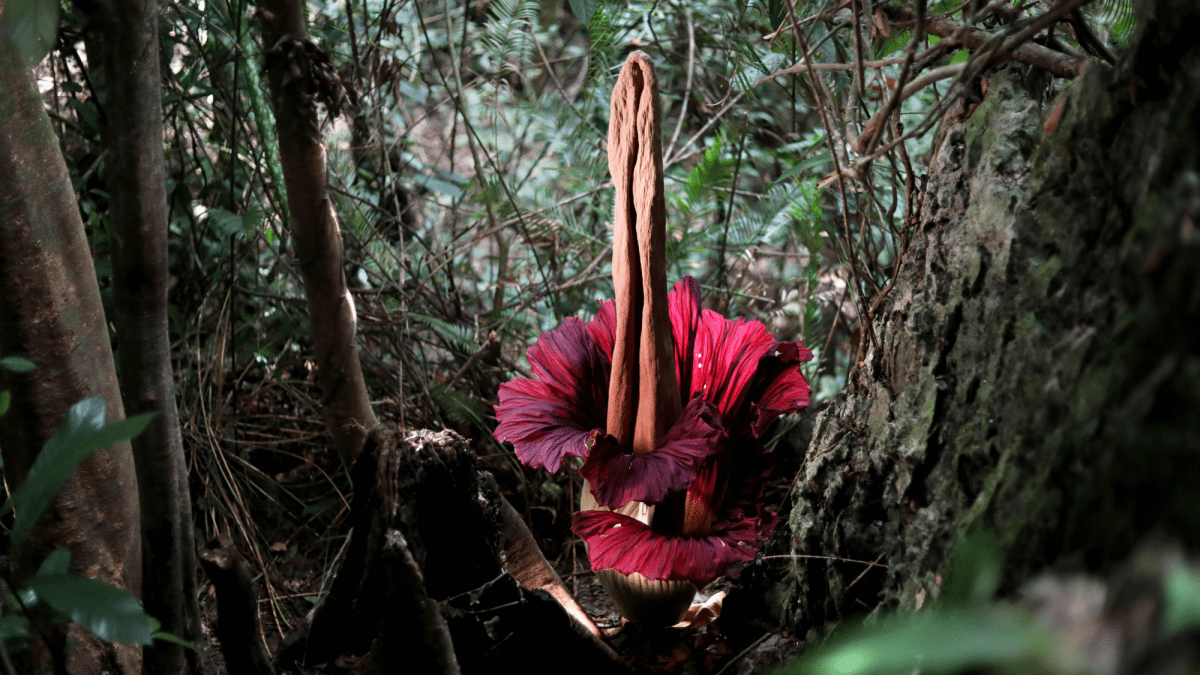
Rare Rotting-Flesh Smelling Flower Blooming at a Massachusetts College
Why It Matters
The event draws thousands of visitors, boosting campus visibility while highlighting the urgent conservation needs of an endangered, globally iconic plant.
Key Takeaways
- •Titan arum “Pangy” bloomed at Mount Holyoke after 6‑year wait
- •Flower emits sulfur compounds mimicking rotting flesh to lure flies
- •Inflorescence can reach up to 12 feet, world’s largest unbranched cluster
- •Species is endangered, fewer than 1,000 wild individuals remain
- •Bloom lasts only 24‑36 hours before collapsing
Pulse Analysis
Botanical gardens have long used spectacular blooms to attract public attention, and the recent titan arum flowering at Mount Holyoke is no exception. The plant’s massive, unbranched inflorescence—often exceeding eight feet and occasionally reaching twelve—creates a natural spectacle that drives campus tours, media coverage, and ticket sales. Such events generate modest revenue for institutions while providing a unique educational platform to discuss plant biology, pollination strategies, and biodiversity.
The corpse flower’s notorious odor is a masterclass in chemical ecology. Researchers identified a cocktail of sulfur‑based compounds—dimethyl trisulfide, dimethyl disulfide, isovaleric acid, methyl thiolacetate, and trimethylamine—that together replicate the scent of decaying flesh. This olfactory mimicry specifically targets carrion‑feeding flies, which inadvertently transfer pollen as they investigate the source. Recent 2024 studies have mapped the biosynthetic pathways of these volatiles, offering insights that could inform pest‑control technologies and deepen our understanding of plant‑insect coevolution.
Beyond its novelty, the titan arum serves as a bellwether for tropical forest health. Native to Sumatra’s dwindling rainforests, the species is classified as endangered, with habitat loss from logging and palm‑oil expansion driving numbers below a thousand in the wild. Botanical institutions like Mount Holyoke play a critical role in ex‑situ conservation, maintaining genetic diversity through seed banks and controlled propagation. Public exposure to such rare blooms can galvanize support for habitat preservation initiatives, linking a fleeting campus event to broader environmental stewardship goals.
Rare rotting-flesh smelling flower blooming at a Massachusetts college
Comments
Want to join the conversation?
Loading comments...