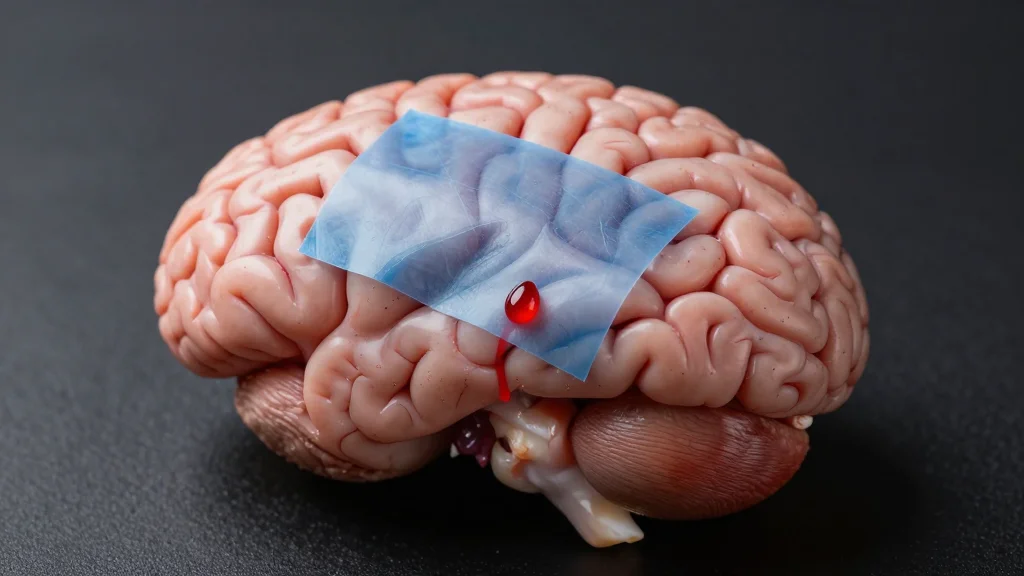
Reduced BCL2 Level in Astrocytes Contributes to Blood-Brain Barrier Disruption in the Striatum of Offspring Exposed to Maternal Preeclampsia
Why It Matters
BBB breakdown in early life can predispose to cognitive and behavioral disorders, highlighting a molecular target for interventions in children born to preeclamptic mothers.
Key Takeaways
- •Maternal preeclampsia lowers astrocytic BCL2 in offspring striatum
- •Reduced BCL2 associates with heightened blood‑brain barrier permeability
- •BBB disruption precedes neurobehavioral deficits in exposed mice
- •Study employs RUPP mouse model to mimic human preeclampsia
- •Targeting astrocyte survival may protect BBB in at‑risk children
Pulse Analysis
Maternal preeclampsia is increasingly recognized as a prenatal stressor that extends its impact beyond the placenta, shaping the neurovascular environment of the developing brain. Recent work focusing on the BCL2 protein—a key regulator of cell survival—reveals that offspring exposed to preeclamptic conditions suffer a pronounced decline in astrocytic BCL2 within the striatum. Astrocytes, through their end‑feet, are essential for maintaining tight junctions and regulating blood‑brain barrier (BBB) permeability. When BCL2 levels drop, astrocytes become vulnerable to apoptosis, leading to weakened BBB structures and allowing peripheral inflammatory mediators to infiltrate the brain parenchyma.
The mechanistic link between reduced astrocytic BCL2 and BBB disruption offers a plausible pathway for the heightened risk of neurodevelopmental disorders observed in children of preeclamptic pregnancies. Epidemiological studies have correlated maternal hypertension with increased incidence of ADHD, autism spectrum disorders, and mood disorders in offspring. By establishing a causal chain—from placental insufficiency to astrocyte apoptosis and subsequent barrier failure—researchers provide a biological substrate for these clinical observations. Moreover, the use of the RUPP mouse model mirrors human uteroplacental hypoperfusion, strengthening the translational relevance of the findings.
Therapeutically, preserving BCL2 expression or bolstering astrocyte resilience emerges as a promising strategy. Small‑molecule BCL2 mimetics, gene‑therapy approaches using adeno‑associated viruses, or pharmacologic agents that activate downstream survival pathways could reinforce BBB integrity during critical windows of brain development. Early intervention may not only prevent vascular leakage but also curb the cascade of neuroinflammation that predisposes to long‑term cognitive and psychiatric sequelae. As the field moves toward precision prenatal care, integrating vascular‑neural biomarkers like astrocytic BCL2 could refine risk stratification and guide targeted therapies for at‑risk newborns.
Reduced BCL2 level in astrocytes contributes to blood-brain barrier disruption in the striatum of offspring exposed to maternal preeclampsia
Comments
Want to join the conversation?
Loading comments...