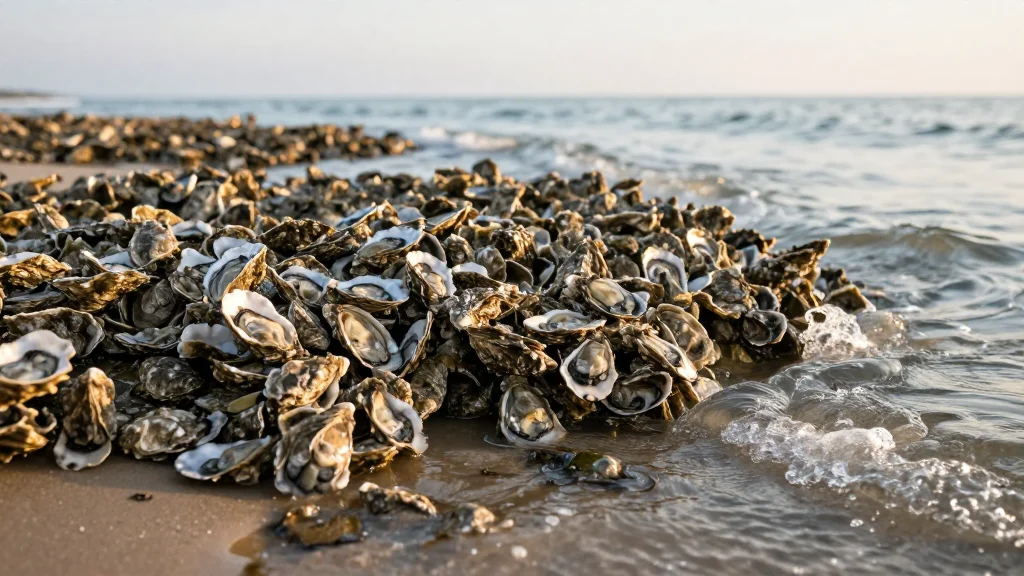
Reefense: Living Shoreline Mosaics Can Achieve Ecological and Engineering Outcomes with Interdisciplinary Design
Why It Matters
Living shoreline mosaics offer a cost‑effective, adaptive alternative to traditional hard infrastructure, reducing flood risk while enhancing coastal ecosystems. Their interdisciplinary development accelerates adoption of nature‑based solutions critical for climate‑resilient coastal communities.
Key Takeaways
- •DARPA funded Reefense program advances oyster‑reef based shoreline protection
- •Interdisciplinary teams integrate ecology, engineering, and economics for scalable designs
- •Living shoreline mosaics provide wave attenuation and habitat services
- •Field studies show oyster reefs can keep pace with sea‑level rise
- •Cost‑effective alternative to traditional concrete seawalls
Pulse Analysis
The Reefense initiative marks a pivotal shift toward nature‑based coastal defense, leveraging oyster reefs as living infrastructure. Unlike conventional seawalls, these engineered habitats begin protecting shorelines immediately through a engineered substrate, then transition to biologically active reefs that filter pollutants, sequester carbon, and support fisheries. By quantifying wave attenuation and sediment stabilization, the research provides a data‑driven foundation for municipalities seeking resilient, low‑maintenance alternatives to concrete breakwaters.
A hallmark of the Reefense approach is its interdisciplinary framework. Ecologists map habitat interactions, engineers model hydrodynamic forces, and techno‑economists evaluate lifecycle costs, ensuring designs are both environmentally sound and financially viable. This collaborative model accelerates the translation of laboratory findings into field deployments, addressing regulatory hurdles and fostering public‑private partnerships. The DARPA backing underscores federal interest in scalable, rapid‑deployment solutions for vulnerable coastlines.
Looking ahead, the scalability of oyster‑reef mosaics could reshape coastal planning worldwide. As sea levels rise faster than many traditional defenses can be retrofitted, living shorelines offer a dynamic, self‑reinforcing system that adapts to changing conditions. Moreover, the co‑benefits—enhanced biodiversity, water quality improvement, and potential revenue from aquaculture—position Reefense as a multifaceted asset for climate‑resilient economies. Continued monitoring and adaptive management will be essential to refine design standards and maximize long‑term performance.
Reefense: Living shoreline mosaics can achieve ecological and engineering outcomes with interdisciplinary design
Comments
Want to join the conversation?
Loading comments...