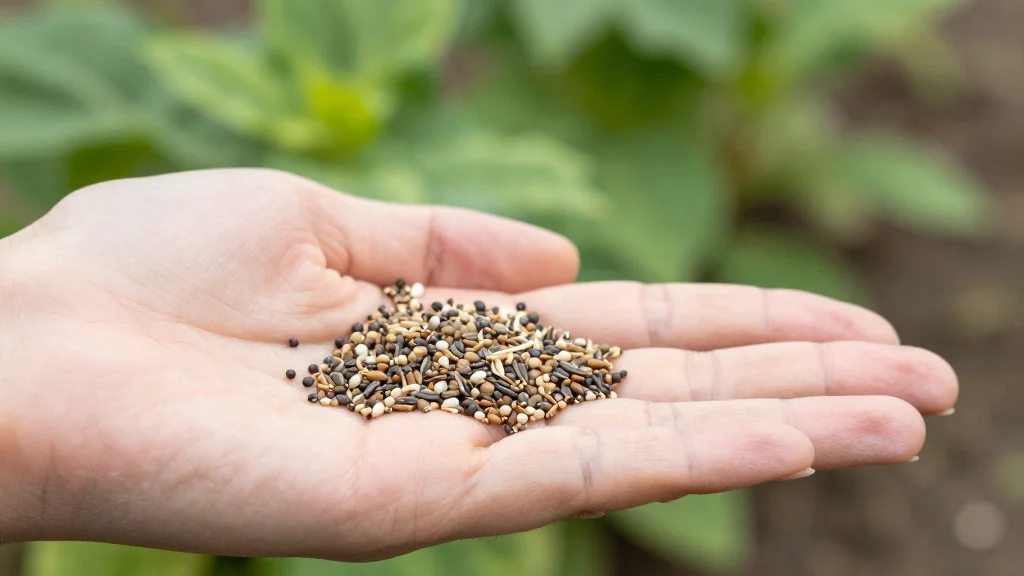
Regional Efforts to Save Native Seeds Aims to Combat Effects of Climate Change
Why It Matters
Insufficient native seed hampers large‑scale ecosystem restoration, weakening climate‑adaptation and biodiversity goals across the Midwest and other fire‑prone regions.
Key Takeaways
- •Midwest Native Seed Network tackles 501 species seed shortage
- •Chicago Botanic Garden stores over 46 million native seeds
- •Federal seed bank stalled after 2024 election, funding paused
- •Restoration demand outpaces supply due to climate‑driven disturbances
- •Goal: secure all needed native seed within ten years
Pulse Analysis
Native seed diversity is a cornerstone of resilient ecosystems, especially as climate change intensifies wildfires, droughts, and floods. Seed banks act as genetic vaults, preserving the adaptive traits that allow prairie grasses, wildflowers, and wetland plants to survive extreme conditions. By maintaining millions of viable seeds, institutions like the Chicago Botanic Garden provide the raw material needed for large‑scale restoration projects that aim to rebuild carbon‑sequestering landscapes and protect wildlife habitats.
The Midwest Native Seed Network, spearheaded by the Chicago Botanic Garden, addresses a critical supply gap identified in a 2023 national assessment. With 501 regional species lacking accessible seed—often due to high cost, limited availability, or geographic mismatch—restoration practitioners face bottlenecks that delay recovery after disturbances. While the Biden administration earmarked several million dollars for a national seed bank, the initiative stalled after the 2024 election, leaving regional collaborations as the primary mechanism for seed collection, storage, and distribution. Volunteers and scientists now work side‑by‑side to harvest, clean, and catalog seeds, ensuring genetic integrity and regional provenance.
Looking ahead, the push to secure a complete native‑seed portfolio within ten years could stimulate new market opportunities for seed growers, biotech firms, and conservation NGOs. Policy makers may revisit federal funding to create a unified national seed repository, leveraging public‑private partnerships to scale production and lower costs. As restoration demand continues to outpace supply, robust seed infrastructure will become a strategic asset for climate adaptation, offering both ecological benefits and economic growth in the emerging green restoration sector.
Regional efforts to save native seeds aims to combat effects of climate change
Comments
Want to join the conversation?
Loading comments...