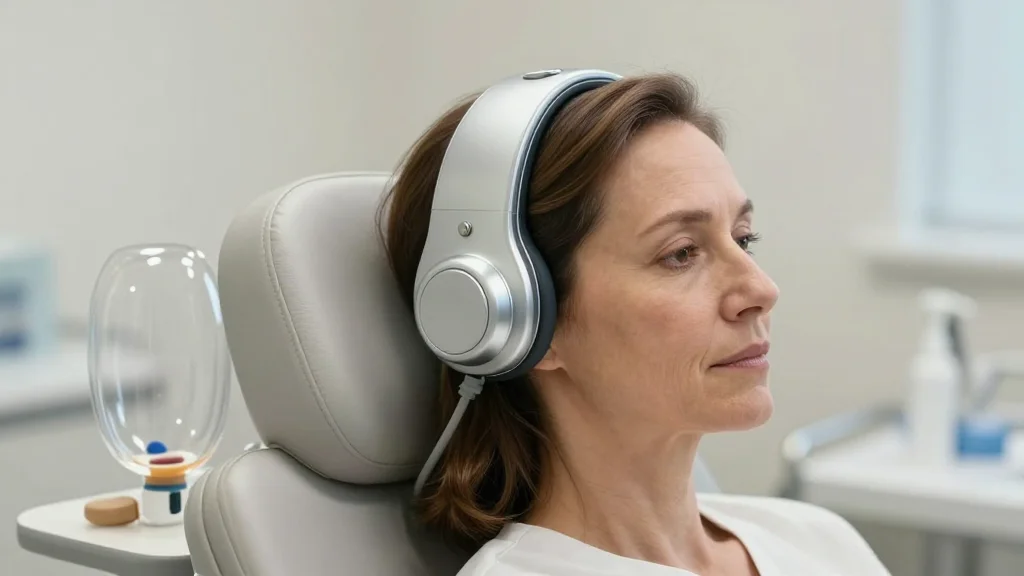
Repetitive TMS Effective, Safe for Poststroke Neurogenic Overactive Bladder
Why It Matters
rTMS offers a non‑pharmacologic, cost‑saving therapy for post‑stroke bladder dysfunction, a condition that burdens patients and healthcare systems alike. Its efficacy and safety could reshape neuro‑rehabilitation protocols and reduce long‑term care expenses.
Key Takeaways
- •Low‑frequency rTMS reduced OAB symptoms in stroke survivors
- •Active rTMS improved quality‑of‑life scores versus sham
- •Treatment lowered societal costs to about $162 versus $235
- •Quality‑adjusted life years rose to 0.691 with rTMS
- •No serious adverse events observed, confirming strong safety
Pulse Analysis
Post‑stroke neurogenic overactive bladder (OAB) affects up to 30% of survivors, often leading to frequent incontinence, reduced mobility, and heightened caregiver burden. Conventional management relies on anticholinergic drugs and catheterization, both of which carry side‑effects and compliance challenges. Low‑frequency repetitive transcranial magnetic stimulation (rTMS) targets the contralesional primary motor cortex, modulating neural pathways that control bladder function without invasive surgery, positioning it as a promising adjunct in neuro‑rehabilitation.
The Hong Kong Polytechnic University trial enrolled 60 participants, randomly assigning half to active rTMS and half to sham for four weeks. At week 4 and week 8, the active group exhibited a 1.81‑point drop in OAB Symptom Score and a 17.48‑point rise in Incontinence Quality‑of‑Life, outperforming sham. Cost‑utility analysis revealed societal expenses of approximately $162 per patient versus $235 for sham, while quality‑adjusted life years improved from 0.571 to 0.691. These figures suggest that rTMS not only enhances clinical outcomes but also delivers economic value, a critical factor for insurers and public health budgets.
If broader adoption follows, rTMS could become a standard component of post‑stroke care pathways, reducing reliance on medication and invasive procedures. Hospitals may invest in portable magnetic stimulators, and rehabilitation specialists will need training to integrate neuromodulation into treatment plans. Ongoing research should explore optimal dosing schedules, long‑term durability of benefits, and comparative effectiveness against emerging bladder‑targeted therapies. As evidence accumulates, rTMS stands poised to shift the therapeutic landscape for neurogenic OAB, delivering both patient‑centered outcomes and system‑wide cost efficiencies.
Repetitive TMS effective, safe for poststroke neurogenic overactive bladder
Comments
Want to join the conversation?
Loading comments...