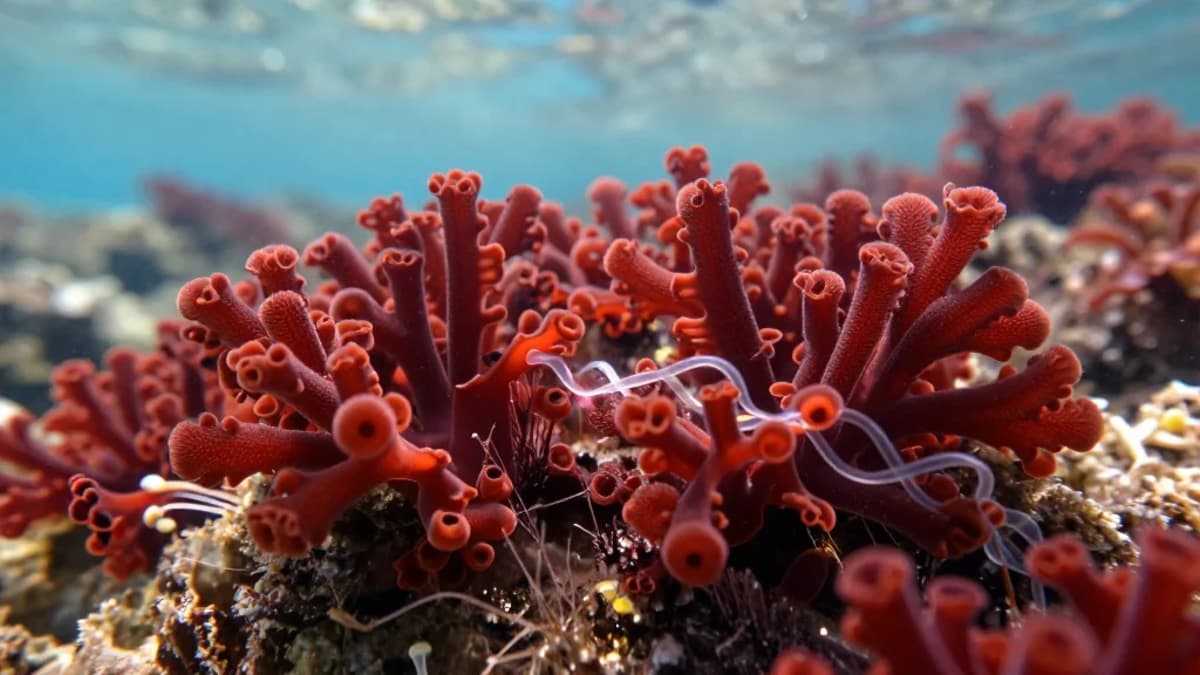
Reproductive Isolation and Differential Introgression Shape the Genomic Landscape of the Red Alga Amansia Glomerata in the Hawaiian Archipelago
•March 12, 2026
0
Why It Matters
The findings reveal how historic isolation and reproductive barriers shape marine biodiversity, informing conservation and evolutionary theory for coastal ecosystems.
Key Takeaways
- •Two Amansia lineages remain genomically distinct in sympatry
- •Allopatric divergence driven by Pleistocene sea‑level changes
- •Secondary contact produced heterogeneous introgression across genome
- •No recombinant hybrids detected, indicating strong postzygotic barriers
- •Potential ecological differentiation yet to be investigated
Pulse Analysis
Marine speciation has long been hampered by the fluid nature of oceanic habitats, making it difficult to pinpoint the forces that generate and maintain species boundaries. Recent advances in reduced‑representation sequencing, such as ddRAD, allow scientists to dissect fine‑scale genetic structure in non‑model organisms like red algae. By focusing on Amansia glomerata in the Hawaiian archipelago, researchers leverage a geographically isolated yet ecologically diverse setting to explore how physical barriers and life‑history traits intersect in the sea.
The study uncovered that the two lineages diverged in isolation during Pleistocene sea‑level lows, a period that likely fragmented coastal habitats and limited gene flow. When sea levels rose, the lineages re‑encountered each other, yet genomic analyses show persistent differentiation across most loci, with only a subset permitting introgression. This pattern of heterogeneous gene flow underscores the role of specific barrier loci that resist recombination, reinforcing postzygotic isolation even in the face of secondary contact. The absence of detectable hybrid genotypes further confirms the strength of these reproductive barriers.
These insights have broader implications for marine biodiversity management. Understanding the genomic architecture of speciation helps predict how coastal species might respond to future environmental changes, such as sea‑level rise or habitat alteration. Moreover, the Amansia system offers a template for investigating ecological speciation, a facet still unexplored in this context. As researchers expand sampling across the Hawaiian islands and integrate ecological data, the red alga could become a cornerstone model for marine evolutionary studies, guiding both academic inquiry and conservation strategies.
Reproductive Isolation and Differential Introgression Shape the Genomic Landscape of the Red Alga Amansia glomerata in the Hawaiian Archipelago
0
Comments
Want to join the conversation?
Loading comments...