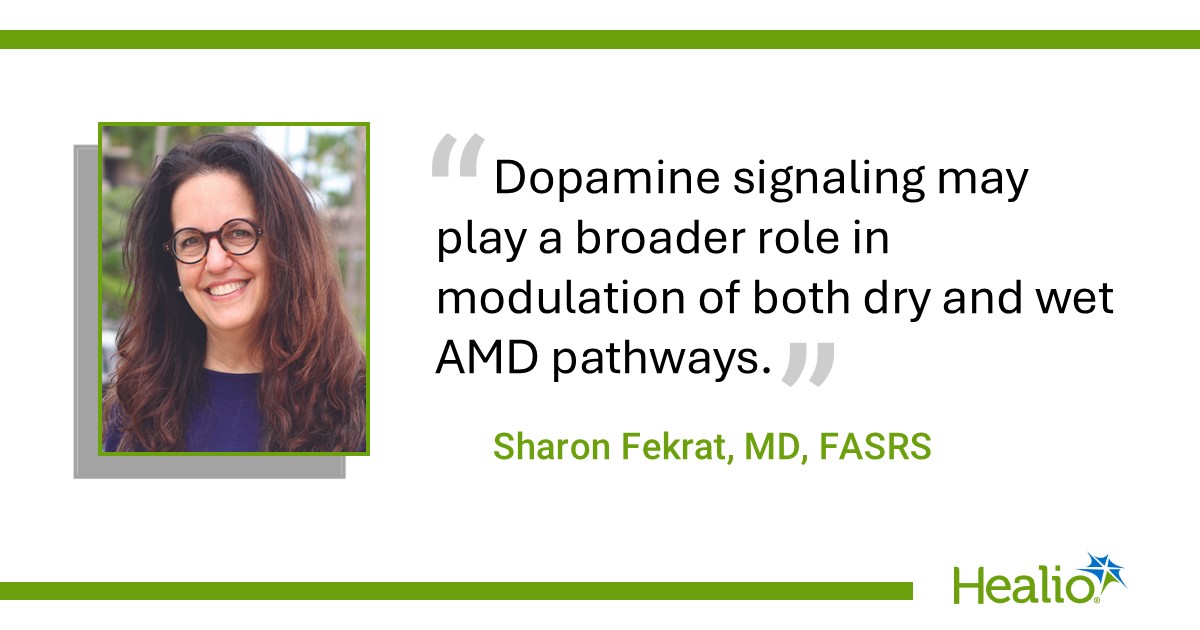
Research Finds Link Between Dopamine Antagonists, AMD
Why It Matters
If dopamine pathways modulate AMD progression, existing dopaminergic drugs might be repurposed, offering a novel preventive strategy for a disease that affects millions of Americans.
Key Takeaways
- •Dopamine antagonists raise dry-to-wet AMD conversion to 27.3% vs 6.8% control
- •Study examined 558 eyes from 354 patients over three years
- •Dopamine‑promoting drugs linked to lower risk of geographic atrophy progression
- •Findings suggest retinal dopamine signaling influences AMD vascular pathways
- •Potential for repurposing dopaminergic agents in AMD prevention strategies
Pulse Analysis
Age‑related macular degeneration remains the leading cause of vision loss among adults over 60 in the United States, with roughly 10 million people affected. While anti‑VEGF injections have transformed wet AMD management, there is no approved therapy to halt the transition from dry to wet disease or to prevent geographic atrophy, the advanced form of dry AMD. Researchers are therefore exploring the retina’s neurochemical environment, and dopamine—traditionally known for its role in the brain—has emerged as a candidate due to its involvement in light adaptation and vascular regulation.
The Duke Health team analyzed records of 354 patients, encompassing 558 eyes, to assess how dopamine‑modulating medications impacted AMD outcomes over three years. Patients on dopamine antagonists showed a striking 27.3% conversion to wet AMD, compared with just 6.8% among those not taking such drugs, even after adjusting for comorbidities. Although dopamine‑promoting therapies did not significantly lower wet‑AMD conversion—likely because of limited sample size—they correlated with a slower progression to geographic atrophy, hinting at a protective neurovascular effect. These patterns reinforce the hypothesis that dopamine signaling can either exacerbate or mitigate pathological angiogenesis in the retina.
If subsequent prospective trials confirm causality, ophthalmologists could leverage existing dopaminergic agents—many already approved for Parkinson’s disease or psychiatric conditions—to modify AMD risk. Such drug repurposing would accelerate clinical adoption, bypassing the lengthy development cycles typical of novel ocular therapeutics. Moreover, the study underscores the broader relevance of neurovascular cross‑talk in degenerative eye diseases, prompting interdisciplinary research between neurology, pharmacology, and retinal medicine. Stakeholders should monitor upcoming phase‑II trials that aim to test dopamine agonists as adjuncts to current AMD management protocols.
Research finds link between dopamine antagonists, AMD
Comments
Want to join the conversation?
Loading comments...