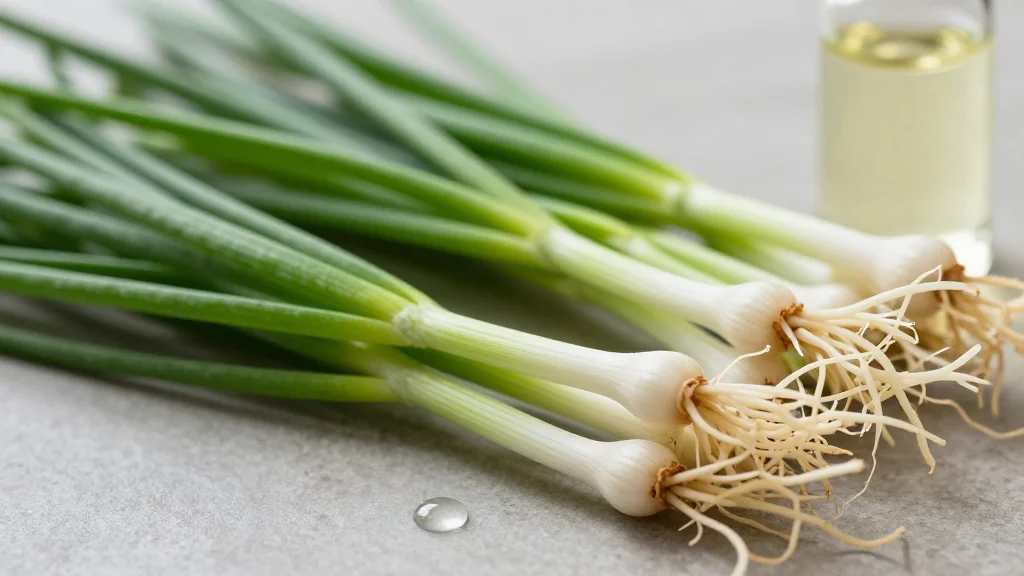
Research on Volatile Flavor Substances and Biological Activities of Different Parts of Allium Schoenoprasum L.
Companies Mentioned
Why It Matters
The findings reveal that chive tissues differ markedly in flavor chemistry and bioactivity, enabling targeted use of specific parts for culinary, preservative or nutraceutical applications.
Key Takeaways
- •Fibrous roots contain most volatile signals, especially aldehydes
- •White shafts are richest in ester compounds
- •Green leaves have highest sulfur‑containing volatile proportion
- •Fibrous‑root essential oil shows lowest EC50 in ABTS/DPPH assays
- •White‑shaft oil most effectively suppresses LPS‑induced cytokines
Pulse Analysis
The application of gas chromatography‑ion mobility spectrometry (GC‑IMS) in this research provides a rapid, high‑resolution snapshot of chive volatile chemistry that surpasses traditional GC‑MS in speed while still delivering sufficient discrimination for tissue‑level analysis. By mapping 175 volatile signals across roots, stems and leaves, the study establishes a chemical baseline that food manufacturers can leverage to fine‑tune flavor profiles, develop natural aroma enhancers, or authenticate chive‑derived ingredients in complex formulations.
Beyond flavor, the antioxidant assays underscore the functional potential of chive extracts. The fibrous‑root essential oil exhibited the lowest EC₅₀ values in both ABTS and DPPH tests, suggesting a higher concentration of radical‑scavenging constituents such as aldehydes and phenolic‑like compounds. Compared with garlic and onion extracts, which are celebrated for sulfur‑driven antioxidant activity, the root oil’s performance highlights an underexplored reservoir of bioactive molecules that could be harnessed in nutraceuticals, functional foods, or natural preservative systems.
The anti‑inflammatory data add another layer of commercial relevance. While all three oils attenuated LPS‑induced TNF‑α, IL‑6 and IL‑1β release, the white‑shaft oil achieved the greatest cytokine suppression, likely reflecting its ester‑rich composition that may modulate signaling pathways differently than sulfur‑laden leaf oils. These tissue‑specific effects open avenues for developing targeted anti‑inflammatory supplements or incorporating selective chive fractions into health‑focused product lines. Future work integrating GC‑MS for definitive compound identification and in‑vivo validation will be critical to translate these laboratory insights into market‑ready solutions.
Research on volatile flavor substances and biological activities of different parts of Allium schoenoprasum L.
Comments
Want to join the conversation?
Loading comments...