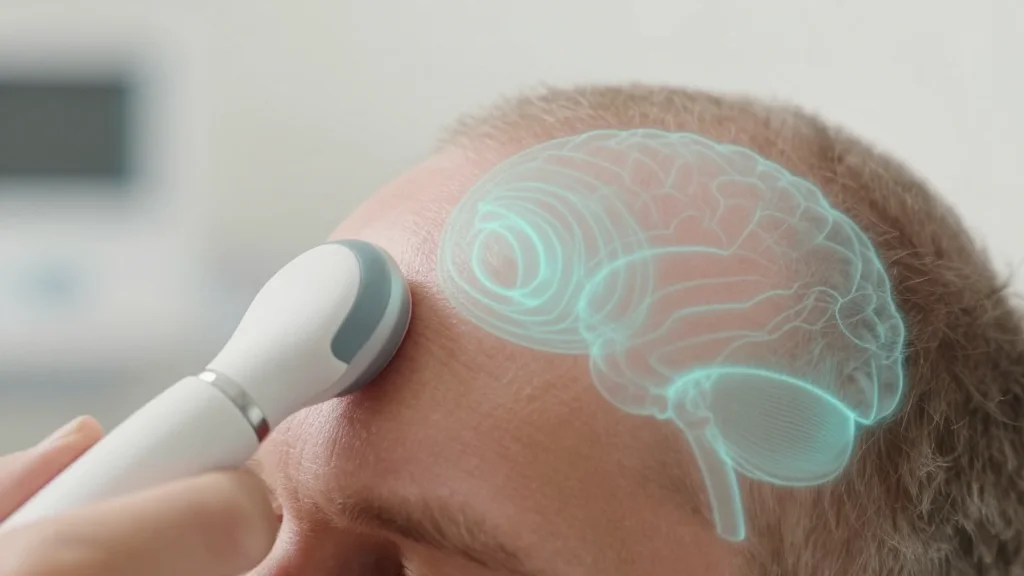
Researchers Are Using Ultrasound to Trigger Smell Directly in the Brain for VR
Why It Matters
Direct brain‑based scent delivery could eliminate consumable cartridges, unlocking richer, memory‑linked experiences in VR and expanding the market for immersive enterprise training and entertainment.
Key Takeaways
- •Ultrasound directly stimulates olfactory bulb, bypassing nose
- •Prototype produces distinct smells like ozone and burning wood
- •Participants report sharper odors when inhaling during stimulation
- •Device hand‑held now; miniaturization required for wearable headsets
- •Approach may pave way for non‑invasive brain‑writing applications
Pulse Analysis
The absence of olfactory feedback has long been a blind spot in virtual and augmented reality, limiting the technology's ability to evoke the deep emotional responses that scents naturally trigger. Traditional scent delivery relies on cartridges, heated elements, or aerosol sprays, each adding bulk, cost and latency. By bypassing the nasal passage entirely and using focused ultrasound to excite the olfactory bulb, researchers sidestep these constraints, offering a potentially compact, consumable‑free solution that could be integrated directly into head‑mounted displays.
In early trials, participants wore a forehead‑mounted transducer that emitted low‑frequency acoustic waves calibrated with MRI data to reach the olfactory bulb. The system produced a range of percepts—from crisp fresh‑air notes to the pungent smell of burning wood—allowing users to distinguish between clear odors and more vague sensations. Notably, light inhalation amplified the intensity and spatial clarity of the smells, suggesting a synergistic interaction between natural breathing patterns and ultrasonic stimulation. While some users reported mild facial tingling, the overall safety profile appeared acceptable for short‑duration sessions.
If the technology can be miniaturized and mass‑produced, it could redefine content creation for immersive media, enabling developers to embed scent cues without worrying about cartridge logistics or scent decay. Beyond entertainment, such non‑invasive brain stimulation may open doors to therapeutic applications, from memory reinforcement in dementia care to novel haptic‑like feedback mechanisms. The research thus signals a broader shift toward direct neural interfacing as a versatile platform for future human‑computer interaction.
Researchers are using ultrasound to trigger smell directly in the brain for VR
Comments
Want to join the conversation?
Loading comments...