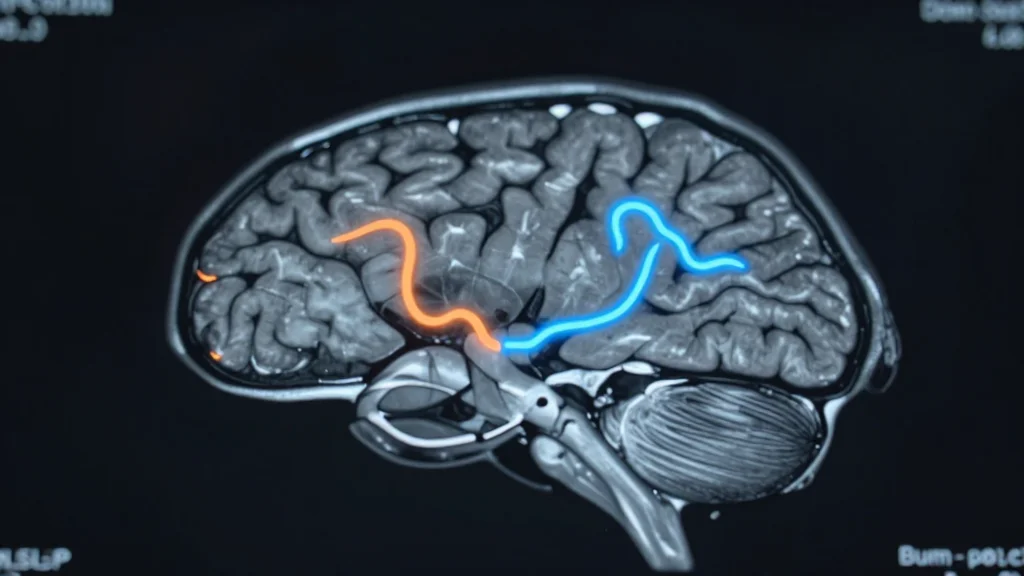
Researchers Discover that Brain Wave Patterns at Age Nine Can Predict Mood Disorders Years Later
Why It Matters
Objective biomarkers enable clinicians to move from reactive treatment to proactive prevention, potentially reducing the personal and economic toll of adolescent mood disorders. Early identification creates a pathway for targeted interventions before symptoms surface.
Key Takeaways
- •Age‑9 EEG patterns predict teen anxiety and depression with high accuracy
- •Alpha waves forecast anxiety; beta waves forecast depression
- •Right‑hemisphere signals link to anxiety, left‑hemisphere to depression
- •Machine‑learning model validated on 384‑person independent dataset
- •Early screening could enable preventive neurofeedback interventions
Pulse Analysis
Adolescent anxiety and depression are rising at an alarming rate, yet most diagnostic tools rely on self‑report questionnaires that appear only after symptoms emerge. The new seven‑year longitudinal study from Beijing Normal University offers a biologically grounded alternative: resting‑state EEG recordings taken at age nine can serve as early warning signs. By capturing the brain’s rhythmic electrical activity, researchers identified distinct neural signatures that separate future anxiety from depression, providing a potential biomarker for clinicians and schools seeking to intervene sooner.
The study’s neurobiological insight hinges on two well‑known EEG frequency bands. Alpha‑wave connectivity, especially in the right hemisphere, correlated with later anxiety severity, reflecting heightened threat vigilance. Conversely, beta‑wave strength in the left hemisphere predicted depressive outcomes, aligning with reduced reward processing. Machine‑learning algorithms trained on these patterns achieved high predictive accuracy and were successfully replicated in a separate sample of 384 youths, underscoring the generalizability of the findings across populations.
If validated in larger, more diverse cohorts, these biomarkers could reshape mental‑health practice. Early identification would allow clinicians to offer preventive strategies such as neurofeedback, cognitive‑behavioral programs, or targeted counseling before a full‑blown disorder develops. However, the original sample was modest and data were collected biennially, suggesting the need for more granular, large‑scale studies. Nonetheless, the research marks a pivotal step toward a proactive, data‑driven approach to youth mental health, promising both clinical benefits and cost savings for the healthcare system.
Researchers discover that brain wave patterns at age nine can predict mood disorders years later
Comments
Want to join the conversation?
Loading comments...